



Uganda - Cultural Dictionary
Uganda - Cultural Dictionary
- Independent / backpacking
Uganda - Cultural Dictionary
Whenever you arrive in a new country, there's always a feeling that if only we knew the language, we would integrate much better. Those of us who make the effort and learn a word or two win recognition and appreciation from the locals. Many times I see travelers arriving in Uganda and trying to act on the same logic, ignoring one very important component in the country - it is multilingual, and the language relies on intonation (like Chinese). In fact, in Uganda there are 58 languages that characterize the different tribes in the country, divided according to the living areas of those tribes, and it is very hard to pronounce the various words correctly.
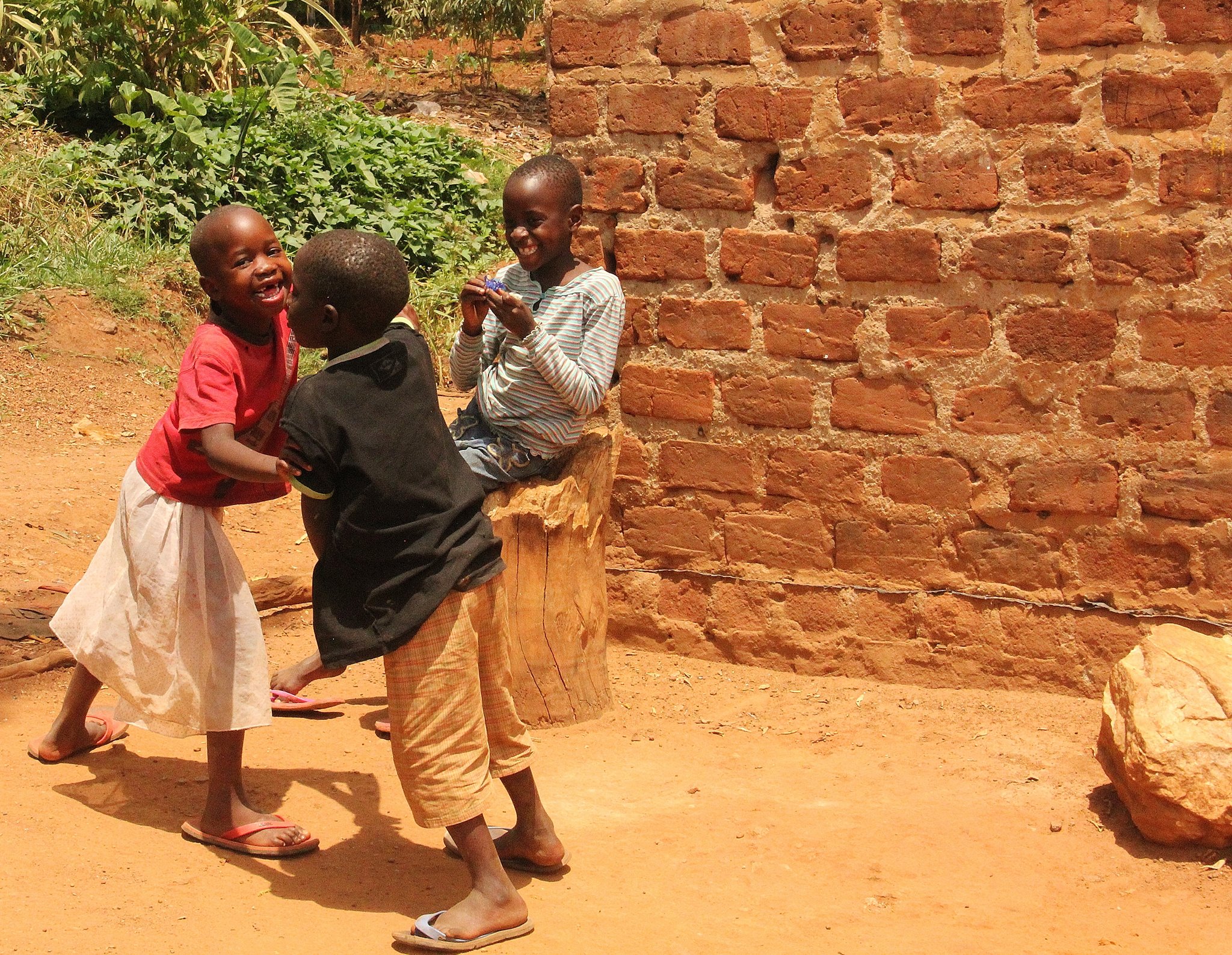
Don't get me wrong, there is a big advantage to knowing the local language, but if you really want to make your integration easier and deepen your ability to communicate with the local Ugandan population, it is more important to learn cultural aspects that characterize the entire population (from all tribes), well, and also a few words that apply everywhere.. The following section will explain a bit about Ugandan culture and customs that might seem a bit strange, provide basic words in "Luganda" spoken in the central region (including Kampala and Entebbe), and a few more tips for navigating Uganda. Many things here apply to other East African countries as well (Kenya, Tanzania, and Rwanda), but I don't know enough about what is where, so I will focus on Uganda.
So how can we still try to bridge the gap?
The first thing that is important to understand about Uganda is that it went through a very difficult process with British colonialism. The "importation" of monotheistic religions (Christianity and Islam) to the country came at the expense of the locals' previous pagan beliefs. It might seem like just a religious matter, but in fact, the belief in various deities, powers of nature, and magic was not just a religious belief, but formed the foundation for all local culture and the worldview of Ugandans. Let me emphasize - Africa is not a uniform, less-developed monolith! While technologically less developed, it does not rely on primitive culture and ignorance - its culture is fundamentally different. When colonialism came to teach the local population the "right way" to live, they did not look at reality in this way, thereby leading to two major phenomena affecting us as white people - one, extreme religiosity and the belief that white people are more successful, smarter, and richer. The second, resentment toward the "occupying" white person, an unwillingness to listen out of the perception that white people are unable or unwilling to understand local culture, and even contempt in certain areas based on the view that whites live lives of luxury and comfort (we don't know how to cook, wash clothes, etc.).
First of all, we must internalize - we are different. In color, speech, and culture. There's no point in denying it.. it is obvious to the eye and we need to go with the flow.. So who are we, the "Mzungu"? The origin of the word comes from Swahili, meaning "tourists" / "curious people" (those who came, explored, and asked questions when arriving from European countries). Today, the word has become slang for a white English-speaking person ("Luzungu") - it is not an insult.. Thus, as white people (yes, even the darker-skinned among us..), representing development, progress, and prestige, we must approach these African countries with special cultural sensitivity and no small amount of humility. It's very easy to get swept up in the exciting hype of the "prestige" of being white, but if we stop for a moment, stay quiet, and open our eyes, we can learn a lot from their unique cultures and maybe even discover that despite all our progress, we've forgotten many important things along the way..
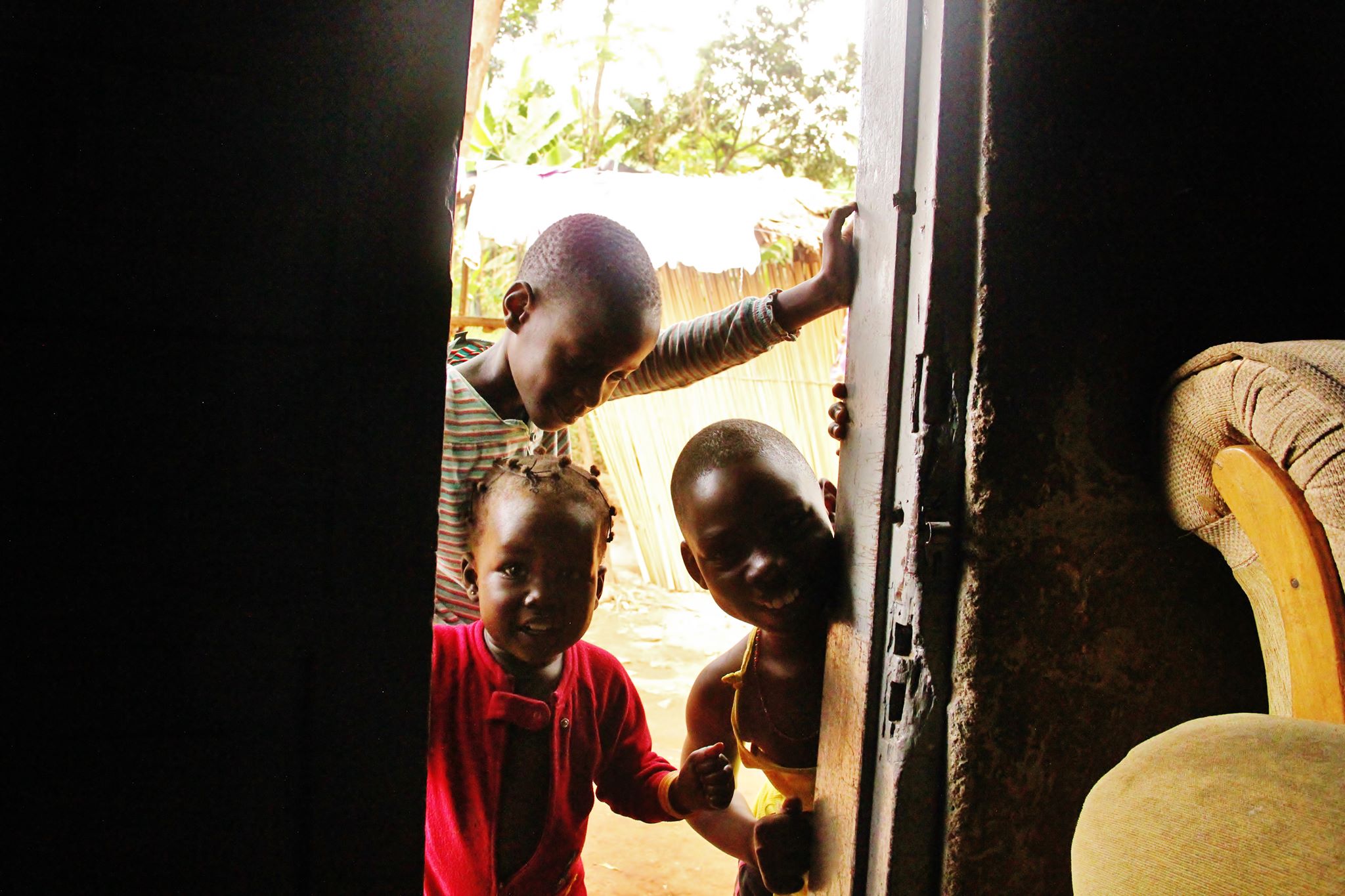
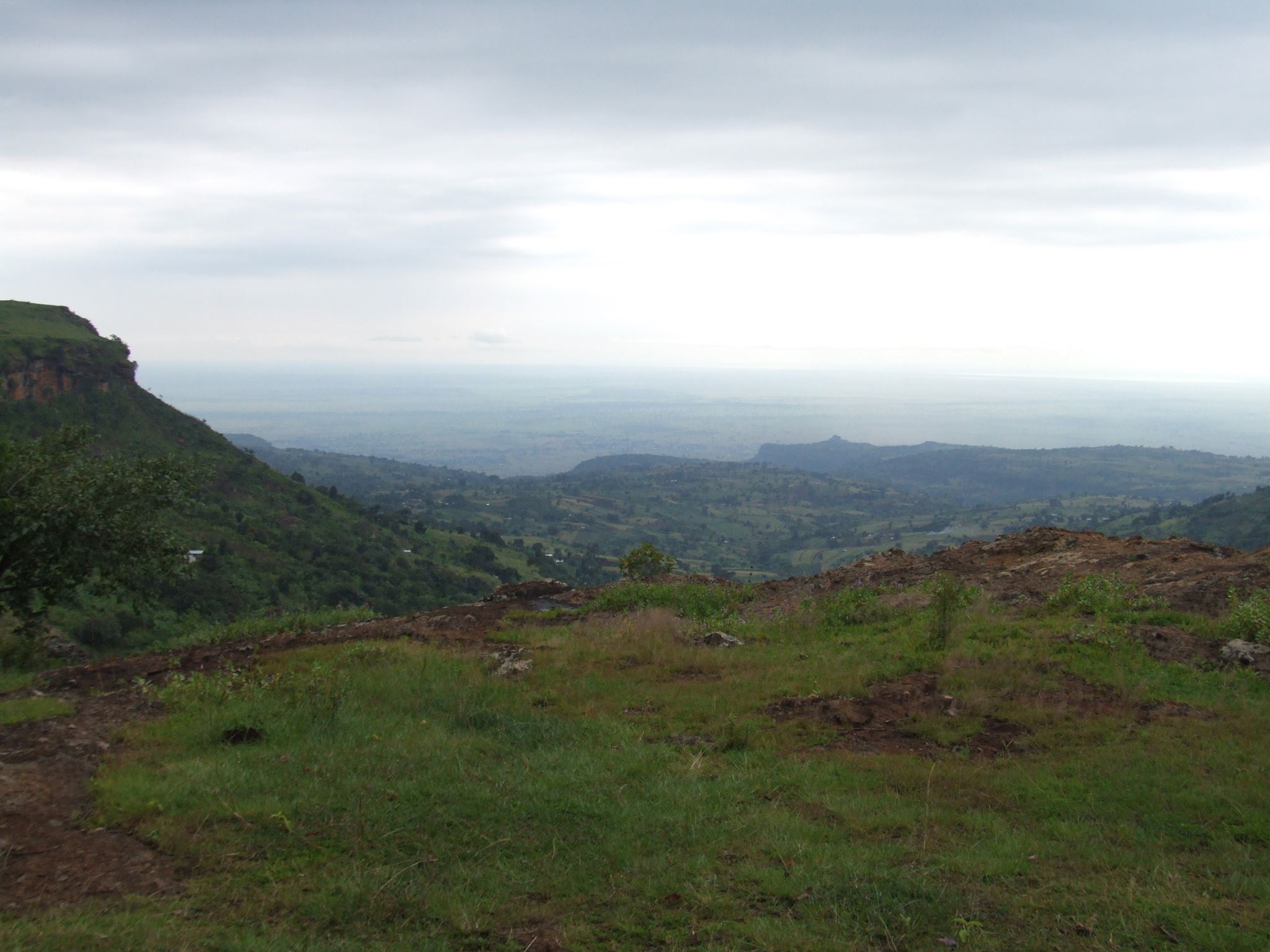
Image caption
So let's talk brass tacks - tips regarding local culture (common threads across most tribes).
Respect and manners as a core element - A very important part of Ugandan culture is respect. In Uganda, when you meet someone (an acquaintance or a random passerby), you first greet them with "jebale co", which means "well done". In doing so, you acknowledge the hard work they've done that day and show appreciation for it. Opening a conversation with this phrase will greatly please the person in front of you and make them feel more comfortable. If you want to put in a bit more effort, you can add "nyabo" (term of respect for women) or "sebo" (term of respect for men).
In addition, the country runs on a hierarchy based on age, gender, profession, finances, in short - everything. You can see it from customs like bowing to clothing that demands a certain treatment from the rest of the community. First in standing up for their respect are, in a heartwarming way, the elders of the community. Below them are men, below them women, and finally youth (where even there, a boy is ranked higher than a girl). To all feminists in the audience - don't worry about the women.. Although on a daily operational level their status is lower, the role of "mother" is very highly respected. (Many believe change will come through women because they are considered better and purer). How does this affect you? Think someone is behaving inappropriately? Tell them gently and respectfully. Keep in mind that Ugandan culture relies on very soft, pleasant communication (for the same reason), so aggressive arguments can only harm you. When encountering service providers (even when bargaining in markets), police officers, or random people on the street - speak and behave respectfully, otherwise you likely won't get any help or service you desire.. and as much as it hurts me to say it, girls, if for some reason you get into trouble with the authorities and there's a guy next to you, let him speak.
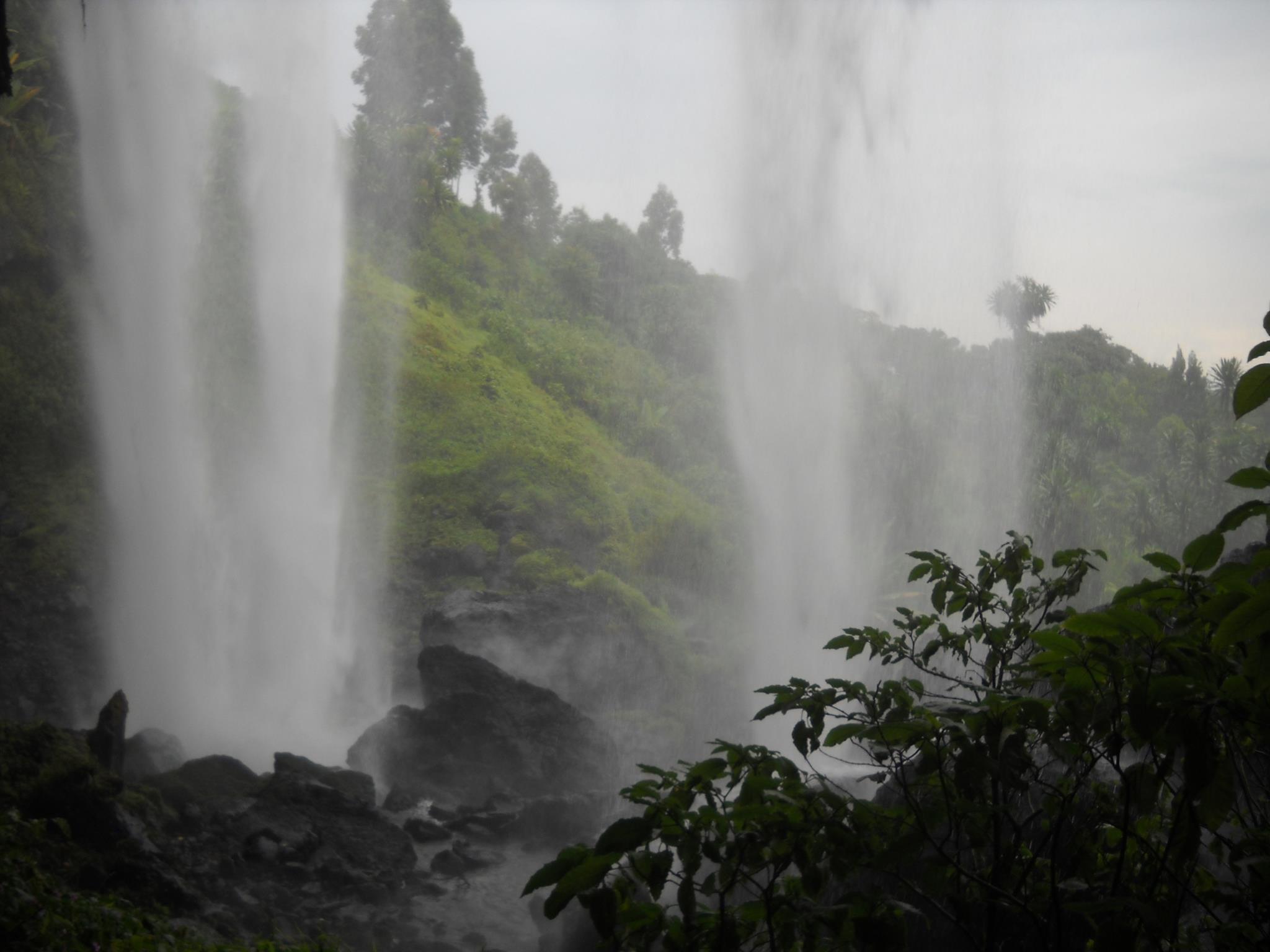
Judaism and Israeli identity -
Religions in Uganda hold a very important place, but the attitude toward them is different. What matters is monotheistic faith (as opposed to paganism), and religions are just different ways to practice it. There is no hostility between different religious denominations, so as Israelis we don't need to be afraid to say we are Israeli/Jewish even to the Muslim population. In the eyes of the Christian community we are considered holy (especially among the born again movement), so don't be surprised if people touch you to receive a blessing, ask questions about Biblical Zion, or even invite you to join church on Sunday. Religion is a sensitive topic, so think twice before saying anything regarding religion - to the religious among you, don't preach Judaism, and to the secular, don't bash religion; don't forget that living in such harsh reality requires some faith..
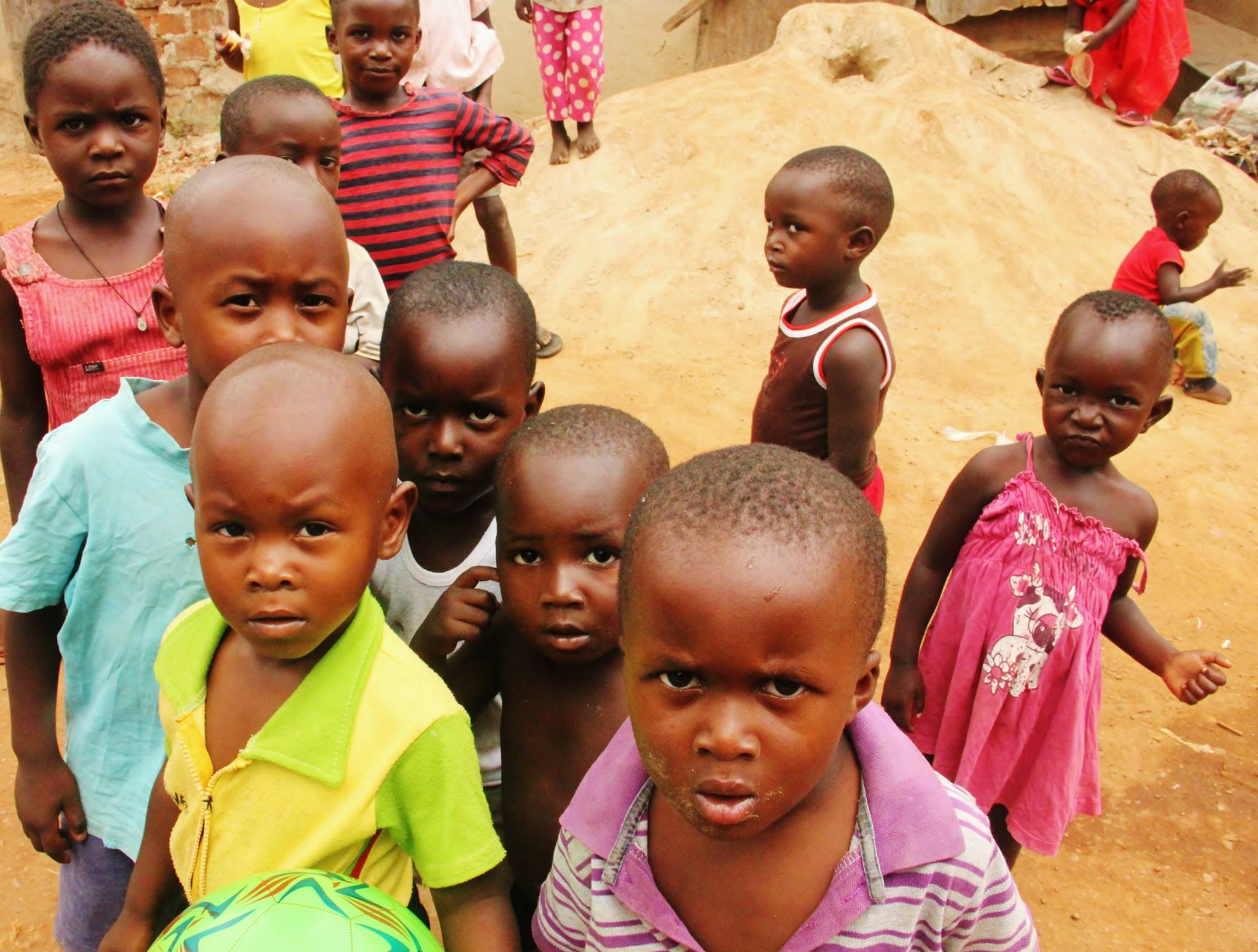
Safety first -
Safety first - Uganda relies on street order. The advantage of this is that during the day you can wander around at your leisure almost anywhere (except slums) by yourself and know you are safe. The downside, however, is that as soon as night falls and it gets dark, problems begin. Because Ugandans are so charming and warm, we tend to forget the safety aspect, but at the end of the day, it's important to remember that poverty there is very severe and sometimes drives people to desperate acts. Make sure not to walk at night in big cities, not alone, and stay alert even in groups! Do not carry valuables on you. Do not take boda (motorcycle taxi) drivers from unknown stands. If you're not sure if it's an official stage, ask to see their boda driver association ID. A very high percentage of illegal boda drivers are drunk or criminals of various kinds, and no, that's not an exaggeration. Don't carry valuables, but if you do carry a bag - make sure the bag is on the side away from the road, as boda drivers sometimes snatch bags while riding by. As white people, we are at a significantly higher risk of being mugged; please leave the tough Israeli soldier ego behind (guys and girls), the rules in Africa are different and we don't know them - it - is - not - worth - the - risk!
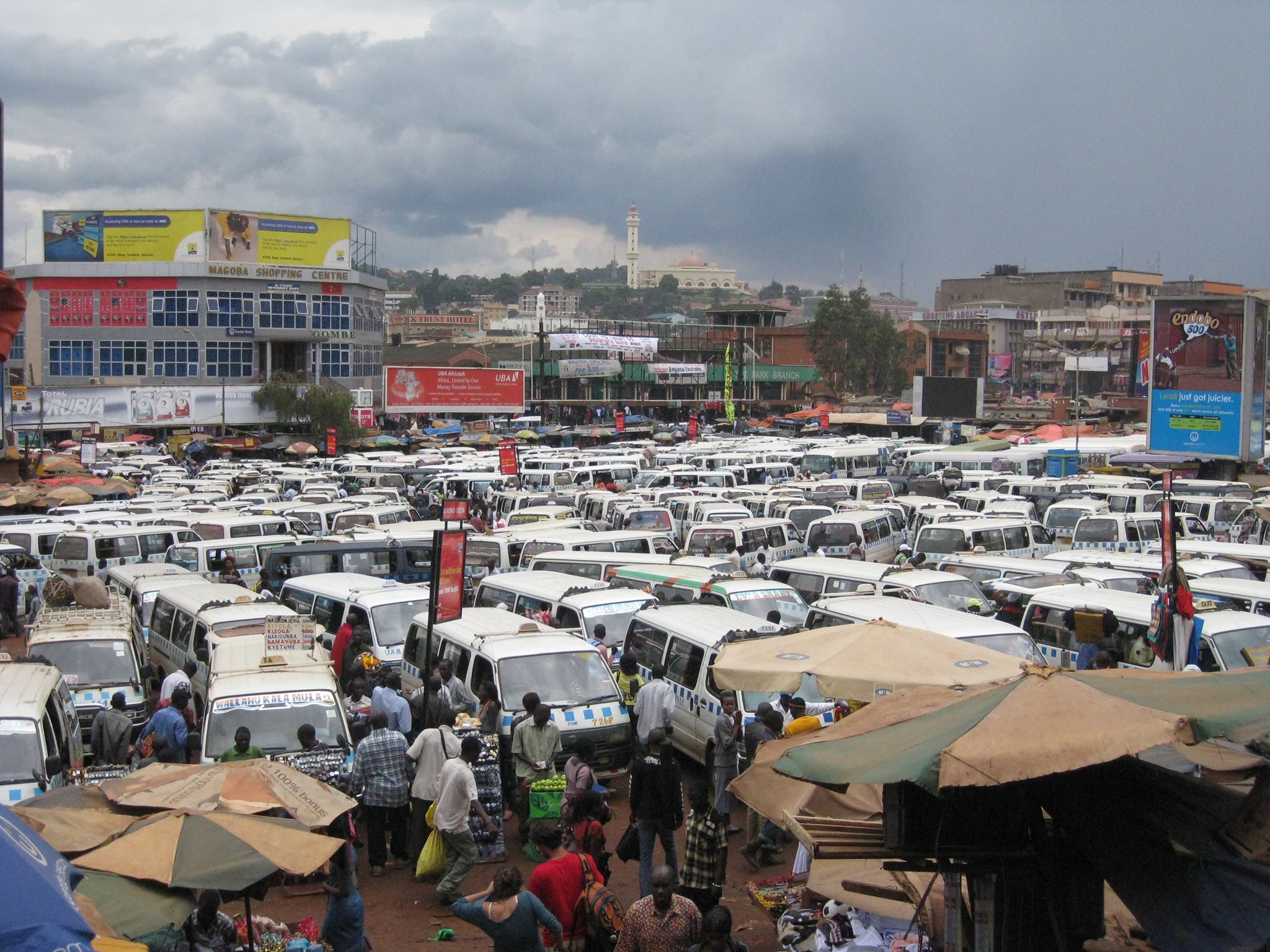
Appearances -
Reputation is a very important element in Ugandan culture, determined by clothing, behavior, and etiquette. Part of it is rooted in religious aspects and part in superstitions and ancient customs; here are a few things you should know: smoking cigarettes is associated with being a "bad kid", note that it is not customary to smoke in public places, especially during the day. Smoking is strongly discouraged when hosted in a private home, and overall, smoking is not a common sight (except in nightlife mixed with foreigners); please think twice before smoking near children and youth.. Also, until two years ago, the penalty for homosexuality was life imprisonment; today that law has been repealed, but the local population views homosexuality very negatively and may react violently to public expressions of this sexuality. It is very sad, but remember the country is going through a positive process on this, and the positive side is that because homosexuality isn't in the public awareness, you can see men wearing colorful clothes and holding hands in the street. Furthermore, with Idi Amin's rise to power, Islam took root in the country, introducing certain modesty expectations; interestingly, these are based on the African perception of sexuality. A woman can wear a low-cut top, sheer shirt, and open back with no issue, but shorts and tight leggings (anything revealing thighs and buttocks) are perceived as provocative and draw a lot of (usually unwanted) attention. In recent years Uganda has undergone many changes and today shorts and short dresses exist in nightlife; however, given the massive attention a white woman receives, I recommend sticking to modest clothing (knee-length shorts, and if wearing leggings, a top covering the buttocks..).
Another funny little detail - someone eating while walking is considered crazy -
Bought a banana? You might want to stop by the side of the road to eat it :)
In conclusion, Ugandan culture in particular and African culture in general is a culture of touch. People grab, touch, and hold hands. Often this behavior can be interpreted by us foreigners as aggressive, but know that is not the intention.. Their definition of personal space is simply a bit different from ours.. So when you travel to Uganda, remember to take care of yourselves, respect the locals, open your eyes, and discover a wonderful, magical world of wildness, passion, nature, and color.
My name is Yael Migdasi, 26 years old, from Jerusalem and a social work student. I traveled to Uganda for the first time on my post-military trip and since then I volunteer at KICVOP and assist with project management.