



White Woman in Africa
So... alone?
- Independent / backpacking
My name is Hali Atia, 28 years old. The first time I traveled to Africa was after my military service. I traveled alone for 4 months, visiting Tanzania, Malawi, Zambia, Namibia, South Africa, and Swaziland. I returned from this trip very toughened up and eager to keep traveling and see more parts of the continent. So 4 years later I went on trip number 2, again by myself. This time I traveled for a year, spending 10 months in West Africa (Senegal, The Gambia, Guinea-Bissau, Guinea, Sierra Leone, Liberia, Ivory Coast, Burkina Faso, Benin, Togo, and Ghana), and for dessert, I continued for two months in the south of the continent (Mozambique, Zimbabwe, South Africa, and Lesotho).
So... alone?
After I was discharged from the army, in 2009, I decided I was going to Africa. I looked for travel partners on every platform I could find, but I bought the ticket without waiting for the hoped-for partner. In the end, when the flight date arrived and I realized I had no partners, I didn't let that hold me back, I decided to take on the challenge and went (despite all my mother's pleas at the airport). I arrived in Tanzania, and out of apprehension, I kept looking for travel partners. I asked every traveler I met—where are you heading next? Hoping they would say the same direction I had planned. But after about two to three weeks, I started to realize that I really enjoyed being alone. I wake up every morning, do whatever I feel like, and that's it. Without asking questions, without coordinating, and without even planning too much. And that was freedom personified. It involved a lot of work finding information about various possible destinations, transport options, orientation, finding places to stay, etc., because there was no one else to do it for me. But at the same time, interactions were created with many people—from passengers sitting next to me on the bus to the mamas I bought food from, through lots and lots of travelers who were sometimes nice and sometimes annoying, and I had the freedom of choice. So yes, it's challenging, you need to stay alert, and that's all. Bad people exist everywhere; I personally encounter more here at home than in any other country I visited.
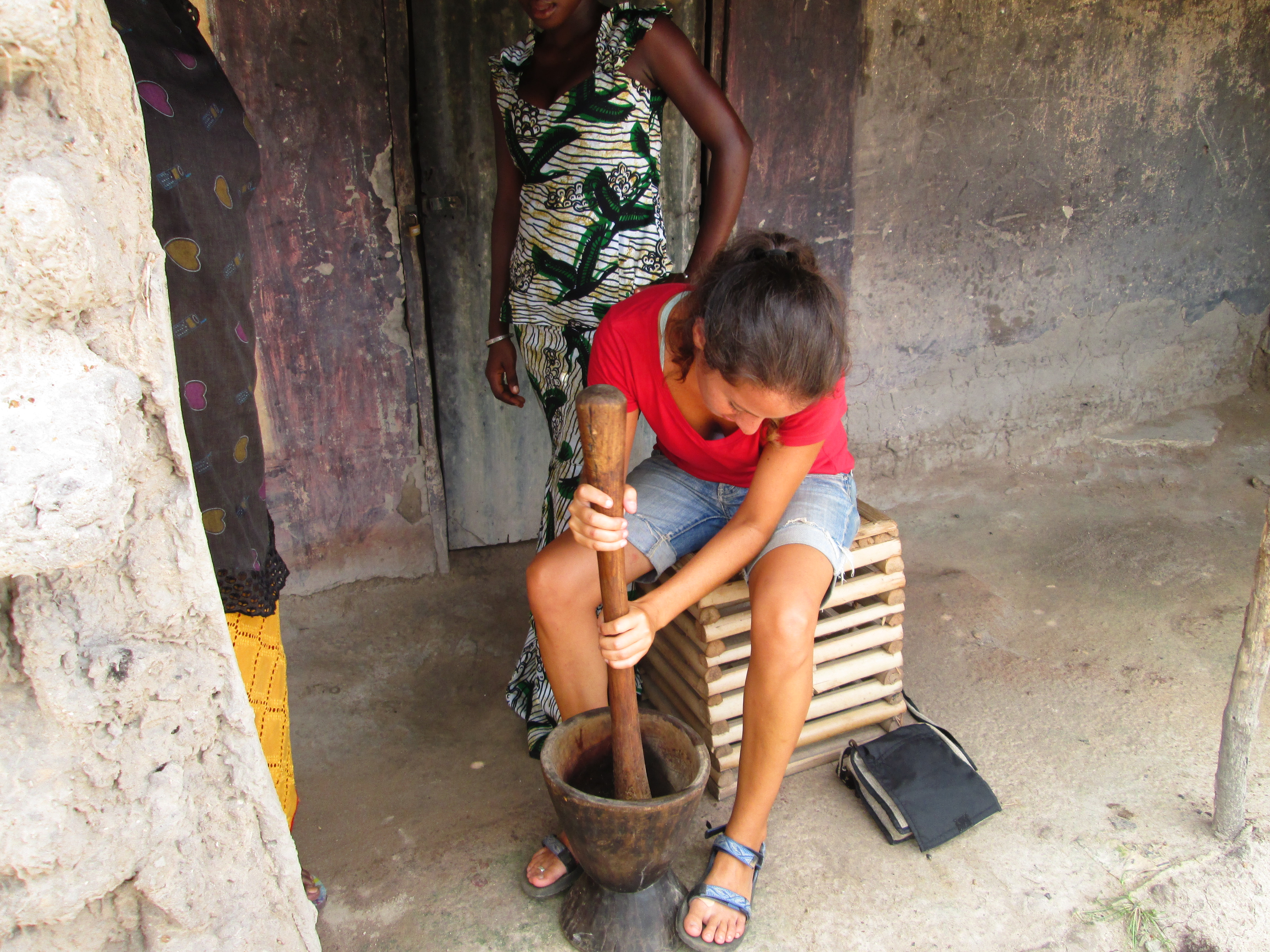
Traveling alone held so much more than warnings and wonderings from those around me. It opened up a whole world of experiences, people, and challenges I never imagined encountering; it taught me so much about myself and others, revealed inner strengths I didn't know I possessed, and built and strengthened my self-belief. There were many declarations of love, many marriage proposals (even without asking my name) from locals who found marrying a white woman deeply appealing. In many cases, it came with the attitude of: if you're white, you have money, and therefore I want to marry you. Lots of hair stroking from casual female passengers on buses (because it was so different from theirs..). Touches on the body (only from women and children) who were also trying to see if it felt different. Lots of children getting excited/crying. But that would have happened regardless of me being a woman or alone. There were also many very lonely moments. The first time I felt such a moment was actually in a place with lots of travelers, but everyone was in their own groups. So I sat there feeling down and didn't know what to do, until I plucked up the courage and approached a few guys who looked nice, and that was it. It was so simple and easy that I was genuinely shocked. And when there are no other travelers around—there are locals. And it's the most fun joining them, seeing the big picture from their perspective too. And sometimes even feeling a little at home.
The first trip lasted 4 months, during which I visited Tanzania, Malawi, Zambia, Namibia, South Africa, and Swaziland. This trip made me love solitude and feel comfortable with myself, and mostly made me want to keep traveling, so 4 years and a degree later, I packed a bag and went for a year, back to Africa. Alone, of course. This time I went to the western part of the continent, which was an intriguing destination for me because I knew nothing about the countries there. The challenges of traveling alone don't get easier the second time around, but maybe they are a bit less surprising.
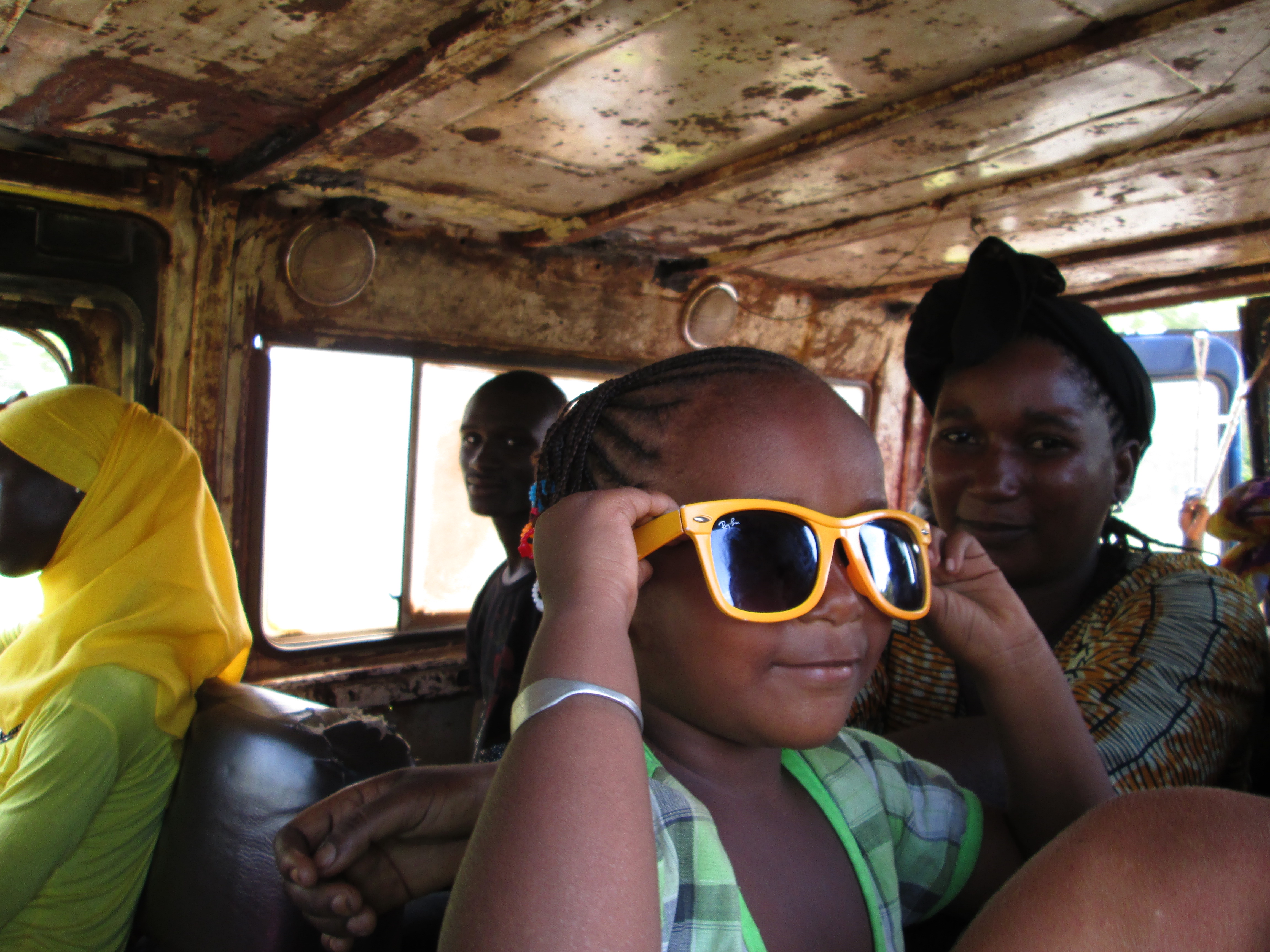
The Wild West West Africa posed a bigger challenge for me than the eastern and southern parts, mainly because there are hardly any travelers there, and therefore virtually no infrastructure, certainly not for backpackers. So I packed a tent with me, just in case. During a year, I visited the countries: Senegal, The Gambia, Guinea-Bissau, Guinea, Sierra Leone, Liberia, Ivory Coast, Burkina Faso, Benin, Togo, and Ghana. For dessert, I returned to the south of the continent and visited Mozambique, Zimbabwe, South Africa, and Lesotho. In the West, the amount of street reactions to seeing a white girl walking alone was greater than what I experienced in other parts of Africa, but I mostly tried to take it with humor—mostly people calling me "white" in the local word, so I simply learned how to say "black" in that same language and replied to them. It ended in chuckles on both sides, and everyone went on their way. At times, dealing with men wasn't very easy. A lot of men I had any interaction with—minibus drivers, shop clerks, etc.—immediately asked me if I had a boyfriend. And almost as quickly, I answered that I was married. If they called me "mademoiselle", I corrected them to "madame". Sometimes they also asked me—so where's your ring? There was a need to make it clear without room for error that I was married (even though I wasn't), because that was the only way to get some peace from those people. Sometimes, even when I made that clear, they would still try to catch me with questions about my "husband": where is he? How did he let you walk around alone? In the West, I felt very strongly the men's craving to find a white bride/sponsor who could provide them with a higher standard of living than what they were used to (and vice versa—local women trying to catch white guys in their net). I saw a large number of beautiful love stories between mixed couples, but I also encountered many broken hearts of (mostly) white women who married "for love" and later discovered that the guy had several other wives and children he forgot to mention. But these become routine struggles and don't require much mental effort. A very big difficulty I encountered in many West African countries was finding a safe place to stay. The difficulty was mainly due to language barriers—in most countries the official language is French, in some Portuguese, and in some English. Since there isn't really an infrastructure tailored for travelers, every day held a new challenge—where will I sleep tonight. There were places where I really couldn't communicate with people, I gritted my teeth, walked around the city in the heat with all my gear trying to find a place to sleep, whether a dingy hostel or a spot to set up my tent. But mostly because of language barriers, I couldn't succeed. And eventually, when I did succeed (because of course—in the end everything always works out), I broke down—from feeling like a stranger, from the hardship, from loneliness, from lack of information (I never even knew where I'd arrive tomorrow), from the inability to understand and communicate. And the hardest but necessary part was gathering myself together again and stepping outside, getting to know the place I was in, trying to communicate with locals despite language difficulties, asking for help and advice for the rest of the journey, and simply enjoying the moment, because as I realized quite quickly—there really is no room for planning.
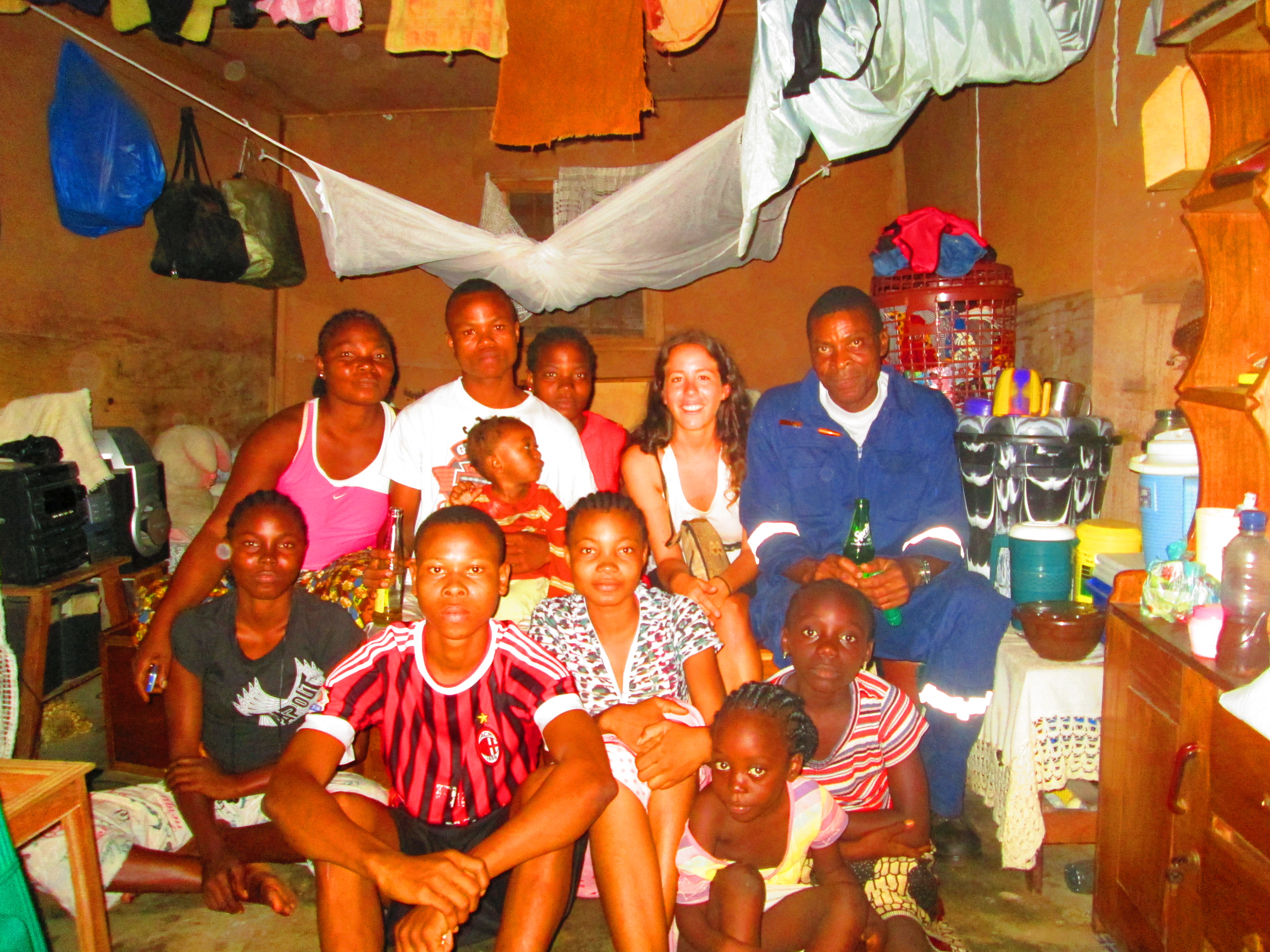
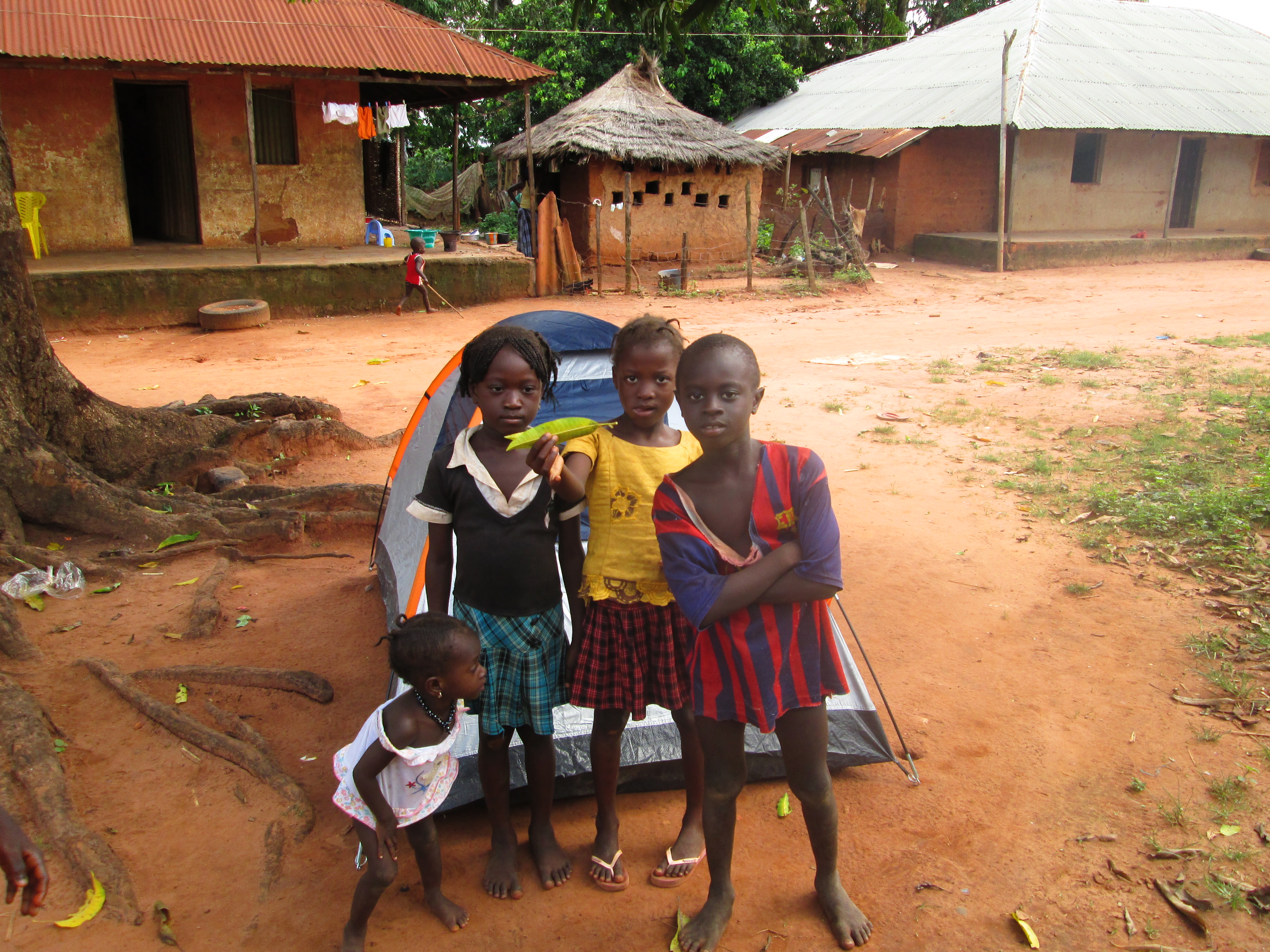
In many places I reached, the only option for lodging was a tent. But I was not willing to set up the tent just anywhere. That was a detail I never compromised on—personal safety. In most cases, as soon as the person I talked to and I overcame the language barrier, and they finally understood that I was simply looking for a safe place to put my tent—homes opened up immediately, families invited me in—to pitch my tent in the yard or even forget about the tent and sleep inside their house. Even with that option—I only felt comfortable when there were other women in the house. Sometimes I preferred the tent because it gave me a little privacy. Once I stayed in a house—all the kids hovered around me all day, and when they went to sleep—the rest of the family hovered around me, everyone asking questions—about me, about my trip, about Israel, and anything else that came to mind at that moment. The experience was always amazing, heartwarming, familial. There were also unpleasant experiences, but they always came from isolated individuals, the minority found everywhere on the globe, who were not necessarily men, and didn't necessarily happen to me because I was a woman. A very positive thing about being a girl alone in Africa—you always attract attention. As a white woman—everyone knew I was a foreigner, there was no hiding it. And in places where there aren't many white people—the locals always remembered me; if I went for a walk somewhere—they knew I went there. They waited to see me return. Someone always knew where I was, even without talking and without knowing me. And that also gave a certain sense of safety.
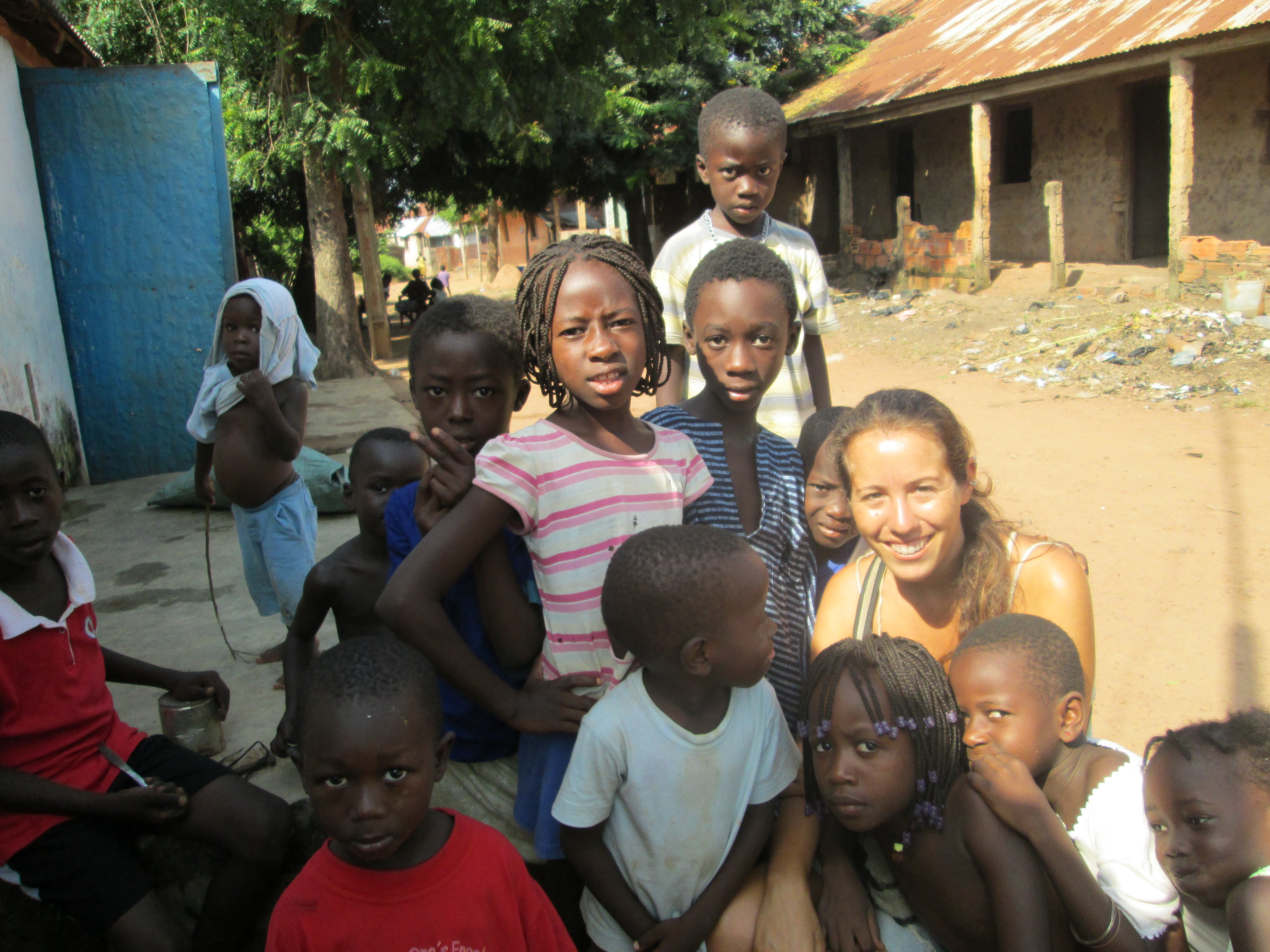
Ultimately, I was never in a life-threatening situation. I enjoyed it immensely, learned a lot, and discovered a lot of mental strength. I met people I wouldn't have met if I hadn't been alone, experienced situations that affect me to this day, lived life in a way impossible in daily routine. It's an empowering, maturing experience, highly recommended for anyone who connects with it. There is no shortage of countless other stories and experiences, but I will sum up with several ground rules I always stuck to because I was a girl alone: -Never go out alone at night in big cities (in small villages this was flexible, depending on my personal feeling). -Never stay alone in the company of men I don't feel safe with / can't trust. -Never sleep in a tent in an unsafe environment (only near houses, families, or someone getting paid for my safety). -If it's either paying more money or not feeling 100% safe (even if it's just in my head)—pay more money. -Never get drunk / lose control around people I don't know. -Keep a low profile, remember that I am alone in a foreign environment, and always listen to gut feelings. -And one positive one for adventures: wherever people live—I can manage too.