


South Africa - An Experience at the Edge of the Continent
- Independent / backpacking
- Overland / vehicle
There is quite a lot to tell about the southernmost country on the continent, especially after traveling there for more than 40 days. We will try to include as much information as possible and organize the mess...
Arrival:
So our arrival in South Africa was by car at an overland border crossing through Namibia. Visa-wise, there is no need for payment or prior application; Israelis are blessed with a free visa valid for up to 3 months (it's important to request this in advance, otherwise it's up to one month).
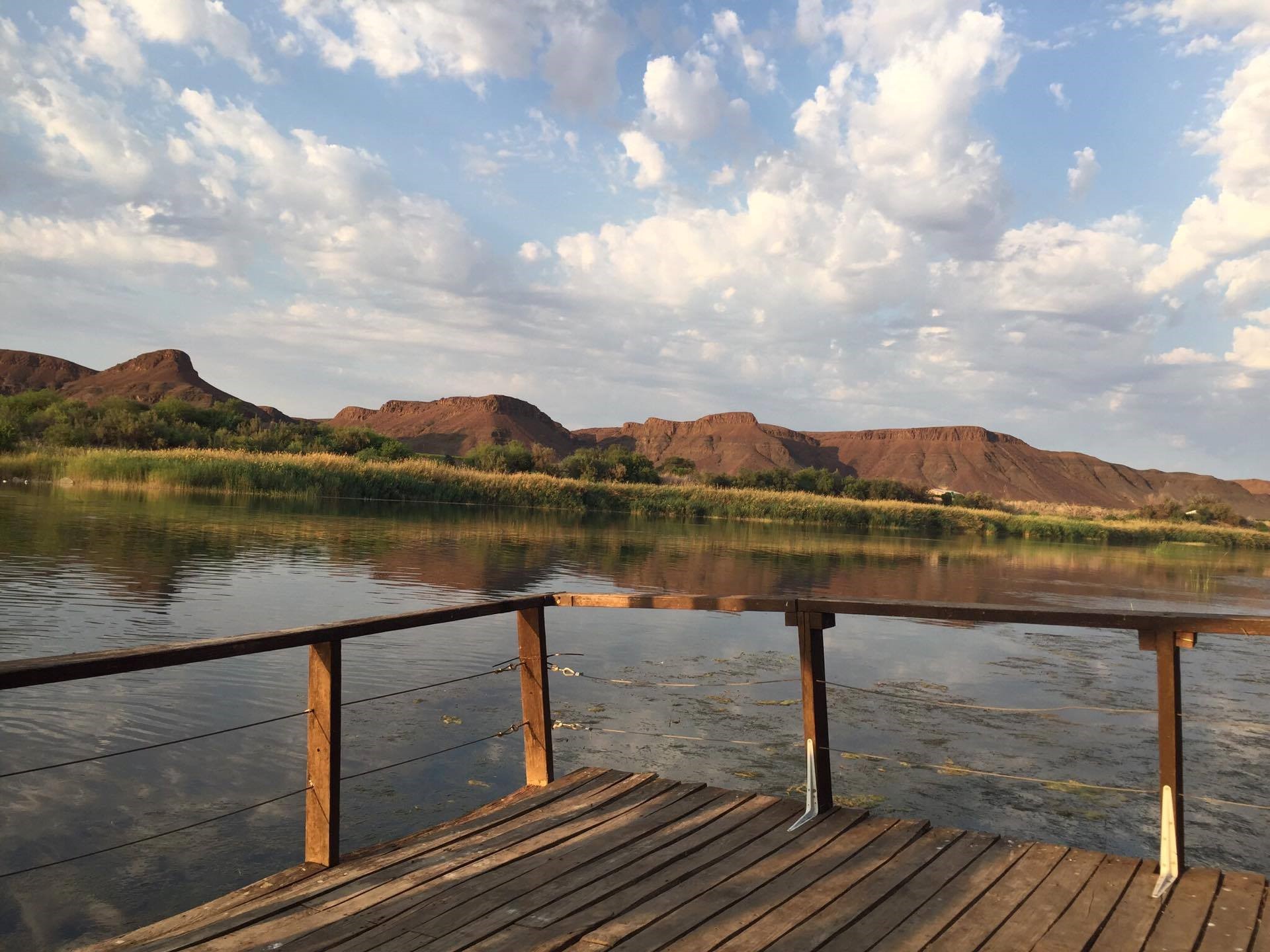
We spent the first night on the banks of the orange river bordering Namibia. In the town of bushwacked, we stayed in a lodge with an amazing atmosphere and took advantage of a few more moments with the incredible views of Namibia..
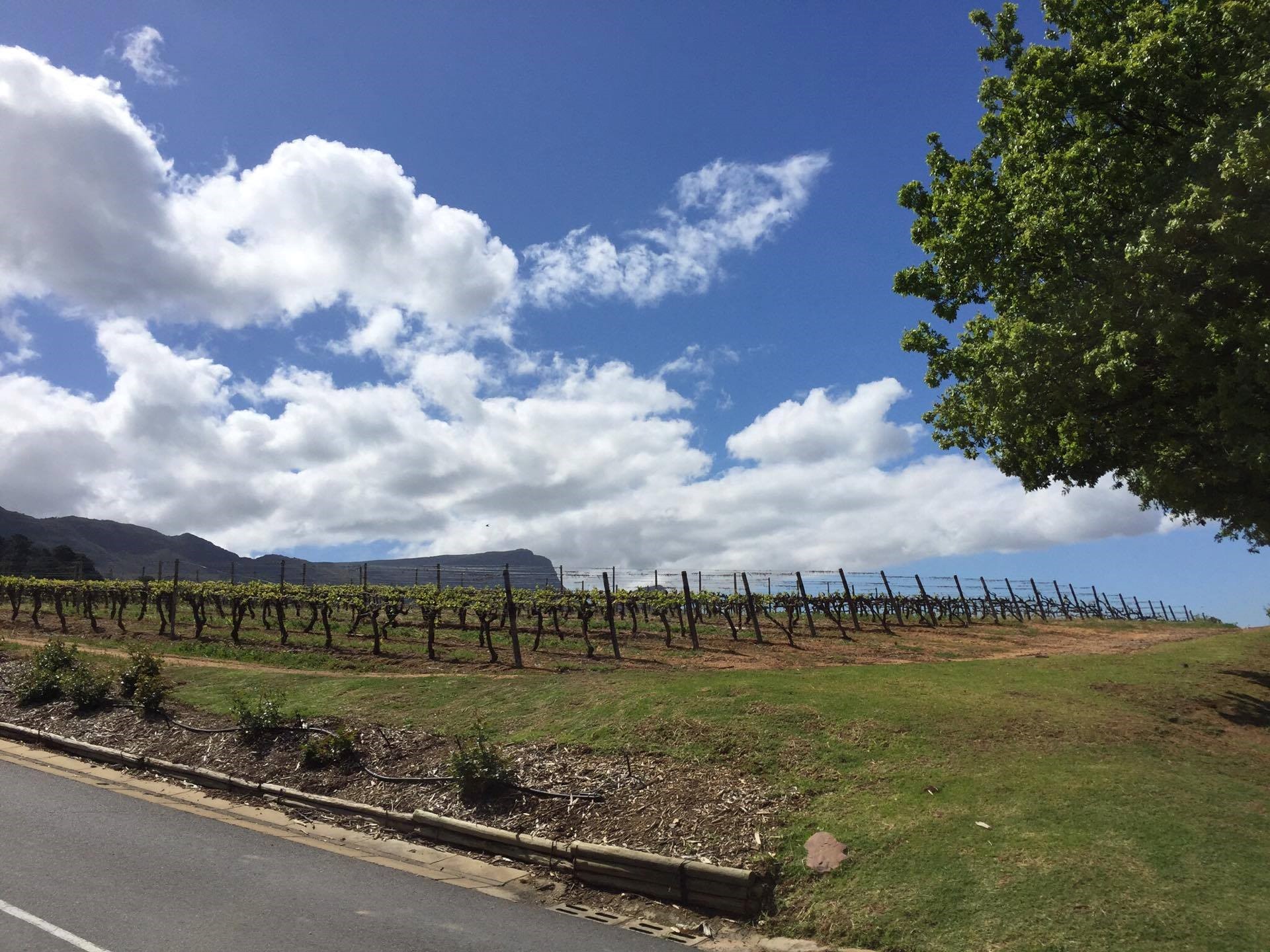
The next day we started our way south towards Cape Town—still by car. The landscapes along the way explain why the Europeans who began settling in the country in the 17th century felt at home—scenery reminiscent of any European country: green-covered mountains, colorful flowers, lakes, rivers, and a continuous drizzle along the way until evening..
Before entering the Cape Town metropolis, we drove along an amazing road passing through breathtaking scenery, but not before stopping at a coffee shop with a very non-African vibe in the town of springbock. That's it, from now on we have to get used to it.
And then we arrived in Cape Town.
In Cape Town, we planned to stay for a week, but ended up staying two weeks and even today we feel like going back for more J. A city that has everything of everything—nature, ocean, amazing food, art, history, shopping, culture, a Jewish community, and really what not...
We spent our stay in Cape Town in two apartments booked via air b and b. First, we stayed in the observatory neighborhood, and later in woodstock. The neighborhoods themselves are located in a student area, amazing vibe, second-hand shops, and bars serving menus with unbelievable special meals, but not that close to the city center (long street). Our main way of getting around Cape Town was using Uber (uber app). Convenient, cheap, and very reliable.
We spent the first two days as textbook tourists—we bought a two-day ticket for the red bus (city sight seeing), seeing lots of places around the city, and enjoying explanations and plenty of information via headphones on the bus. Tickets and all bus info can be found at their main shop on long street. The bus passes all the places worth seeing, including Table Mountain, the waterfront, Kirstenbosch Botanical Garden, museums, and more... Buying the ticket lets you join a waterfront cruise, free walking tours offering various interesting routes, and a sunset tour to Signal Hill. There's even a special line passing through Cape Town's winery area—Constantia, allowing you to experience amazing wines (at reasonable prices) without driving, of course!! (Note ♥ not Stellenbosch!)
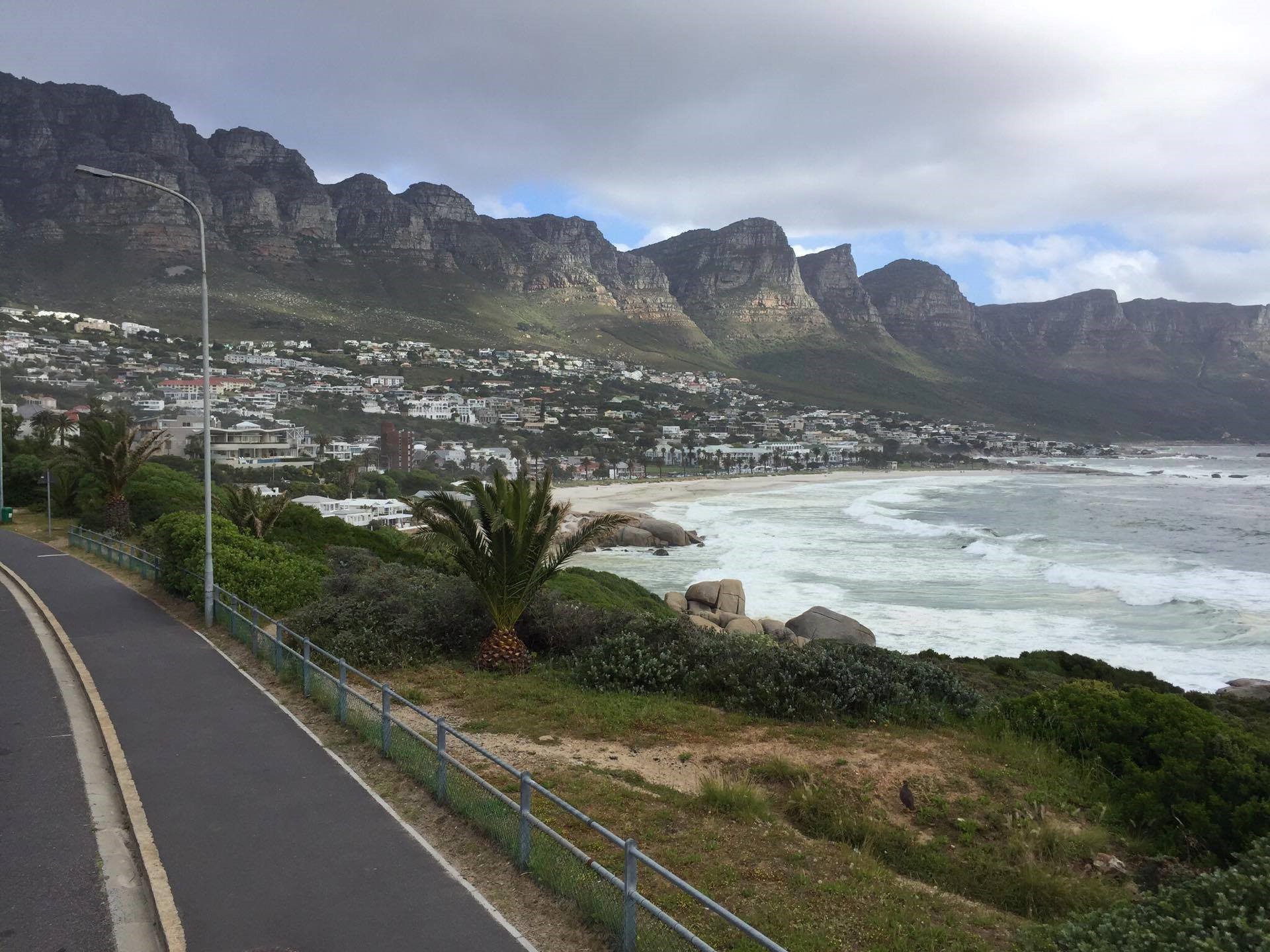
So what did we do in Cape Town? (and surrounding areas..)
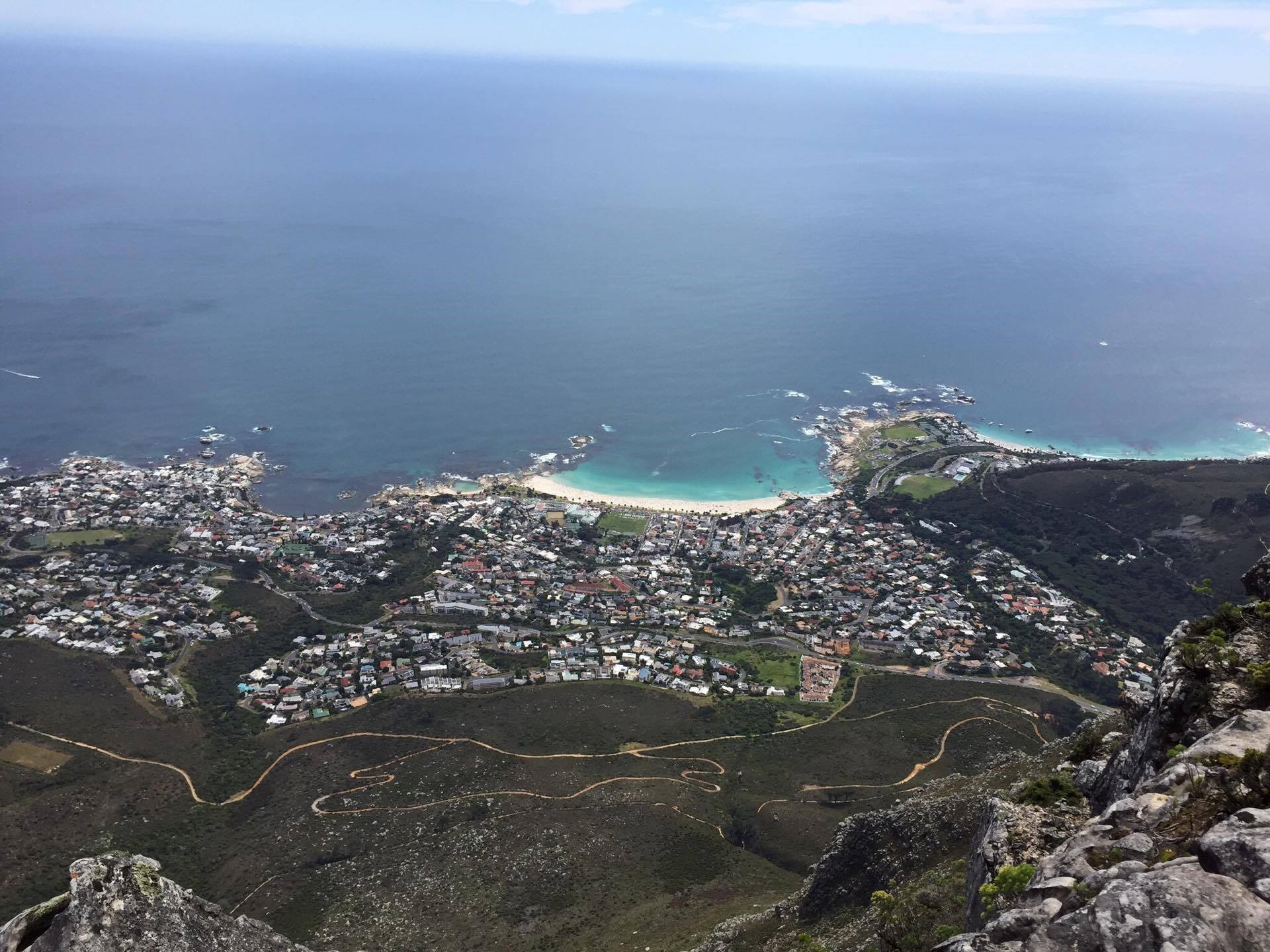
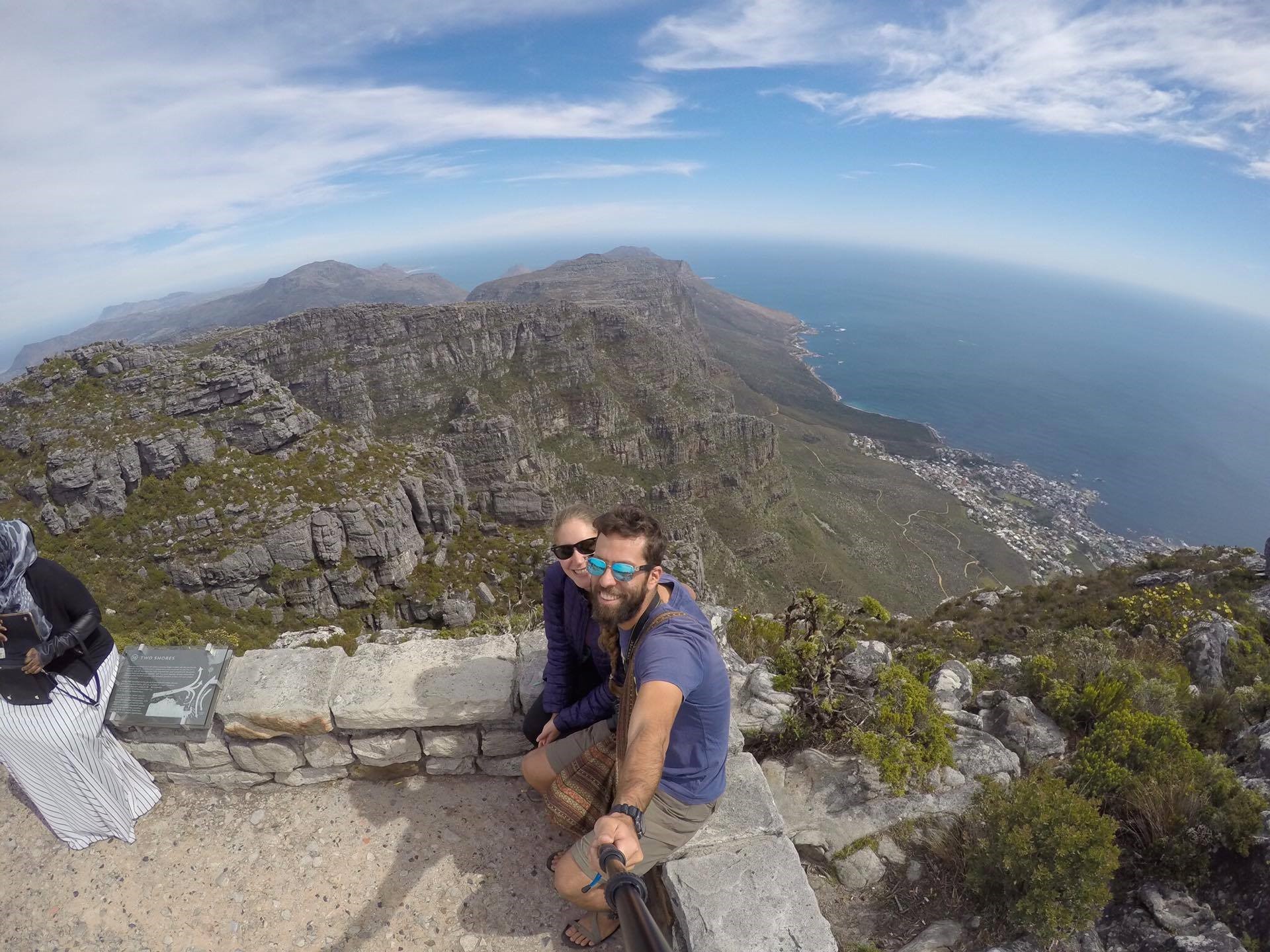
Table Mountain— We visited this wonder of the world twice. Yes, yes, because the first time the weather played tricks on us and by the time we reached the summit, everything was gray and full of clouds; we didn't see a speck of view so we didn't give up and came back a second time. Worth every moment. We took the cable car up and down, but hiking on foot is possible. Any information can be found on the reserve's website—just type table mountain into Google and you'll find every bit of info you want.
Museums— We visited 3 museums in Cape Town. At the District Six Museum, we saw how the mixed community lived before Apartheid and what became of the people during and after Apartheid; at the Modern Art Museum, we saw contemporary South African art; and at the Natural History Museum, we saw various exhibits on animals found in South Africa, the most interesting being about whales.
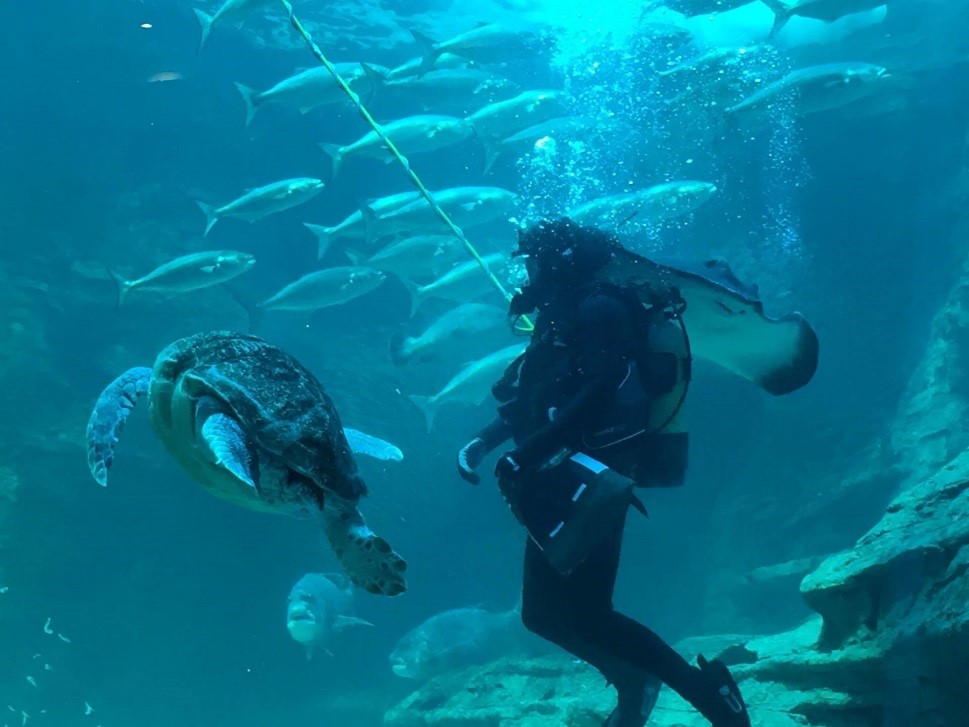
Aquarium— Located right next to the waterfront, very nice to see the various creatures living underwater. You get a discount if you take the tourist bus.
Waterfront— Cape Town's harbor area. Here you will find a huge mall, a food court that will make your mouth water, a local craft complex, and a great atmosphere making you want to spend a fun afternoon there.
Botanical Gardens (Kirstenbosch National Botanical Garden)— Kirstenbosch Botanical Garden in Cape Town is located on the eastern side of Table Mountain. Established in 1913 to preserve plant species unique to the region. You can find flora unique to South Africa. The place is breathtakingly beautiful, and you can see countless species. Bringing food and a blanket for a picnic on one of the lawns is highly recommended!
Cape Town Wine Region—Constantia— We reached Constantia via the tourist bus, which solved the "who's driving?" dilemma. We visited Groot Constantia, South Africa's oldest winery. Guided tours and wine tastings are available. We arrived after the tour started, so we only did the wine tasting, which included 5 glasses of wine paired with chocolate specifically made for each wine type. The chocolate tasting cost 85 Rand (about 22 NIS).
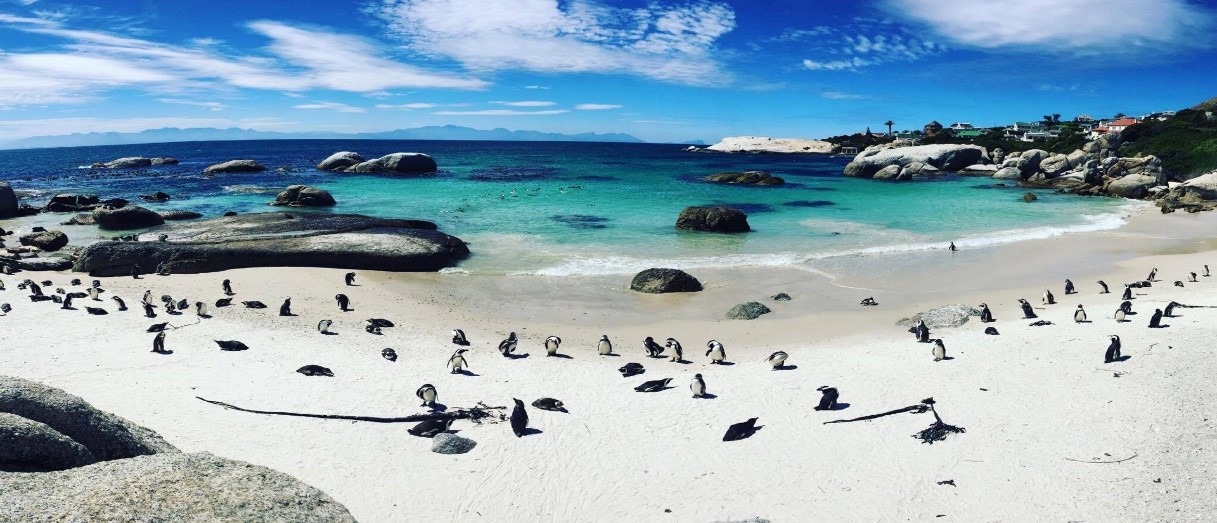
**We did the Penguin Beach and Cape of Good Hope attractions during our stay in Cape Town.
Penguins— Located at Boulders Beach. We drove there with a rental car, but you can also go with the Baz Bus. The reserve is charming, the shoreline is beautiful, and you can't help but fall in love with the sweet penguins walking on the white sand. Highly recommended!!
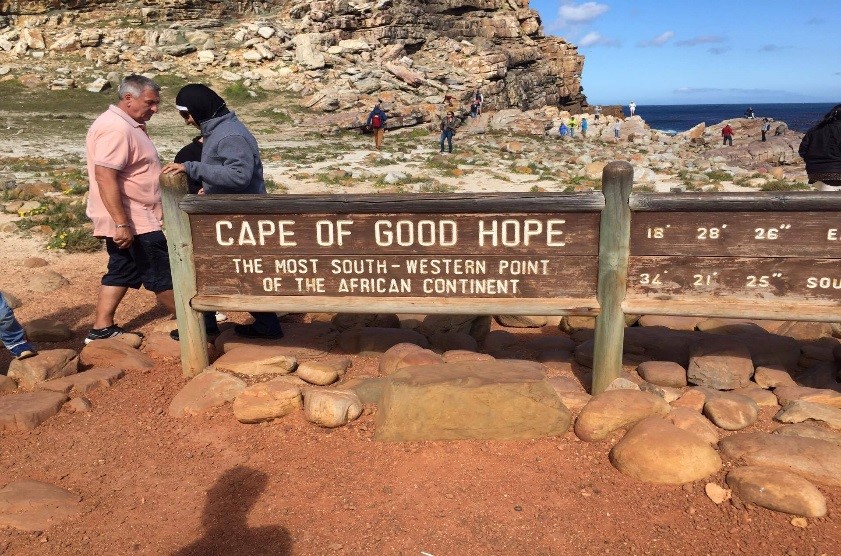
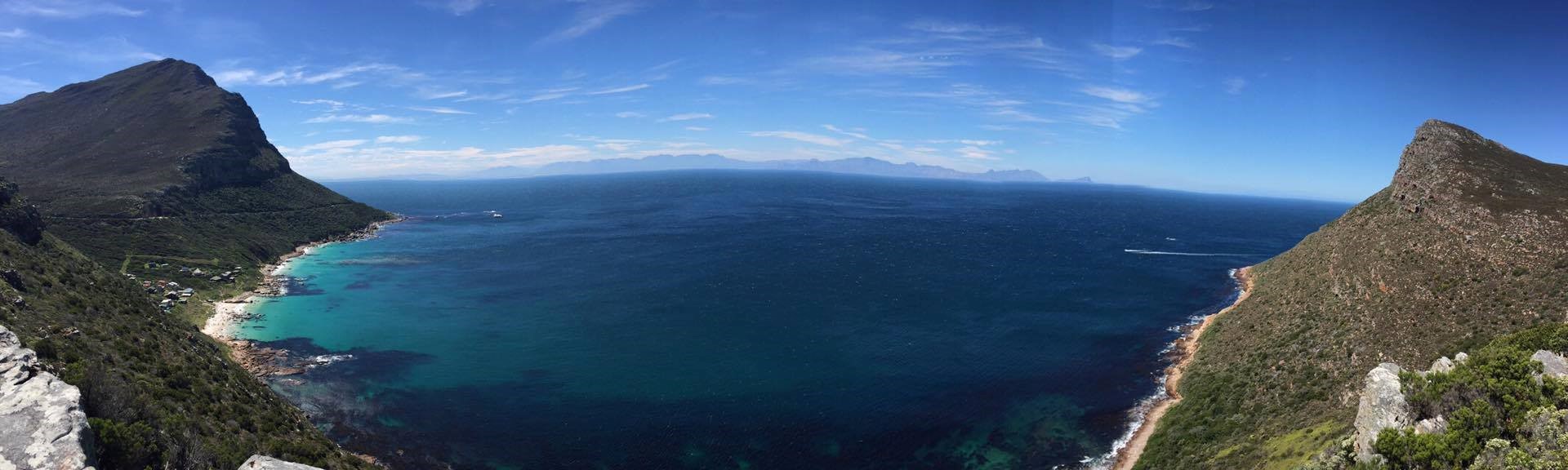
Cape of Good Hope— This is not the southernmost point of Africa as commonly thought; to be precise, it's marketed as the south-westernmost point of Africa ;) The reserve is beautiful, with several ocean viewpoints worth seeing; at one, we spotted a pair of whales swimming in clear water. You can explore by car or bicycle; we did it by car (combining penguins and Cape of Good Hope in one day).
Garden Route:
Garden Route—A region in South Africa along the sea (mainly Indian Ocean), featuring attractions, picturesque towns, and amazing scenery.
We drove the Garden Route in a car rented in Cape Town and returned in Johannesburg.
Hermanus— After Cape Town, we went to Hermanus, a small town where you can spot whales right near the shore (if lucky). Unfortunately, we missed the whales... The town itself is quite boring; there's a nice promenade along the sea, but besides whale watching, it doesn't offer much.
Mossel Bay— A small and unexciting town. We went because of a hostel where you sleep in a train compartment. In reality, it was far less cool than expected. Not particularly recommended.
Oudtshoorn— A town mostly about ostriches, from riding to eating them. About 30 minutes away is a dripstone cave reserve called Cango Caves. There are several tour routes; we chose the adventure route climbing, crawling, and squeezing through small caves... It was nice, more suited for families with children than backpackers...
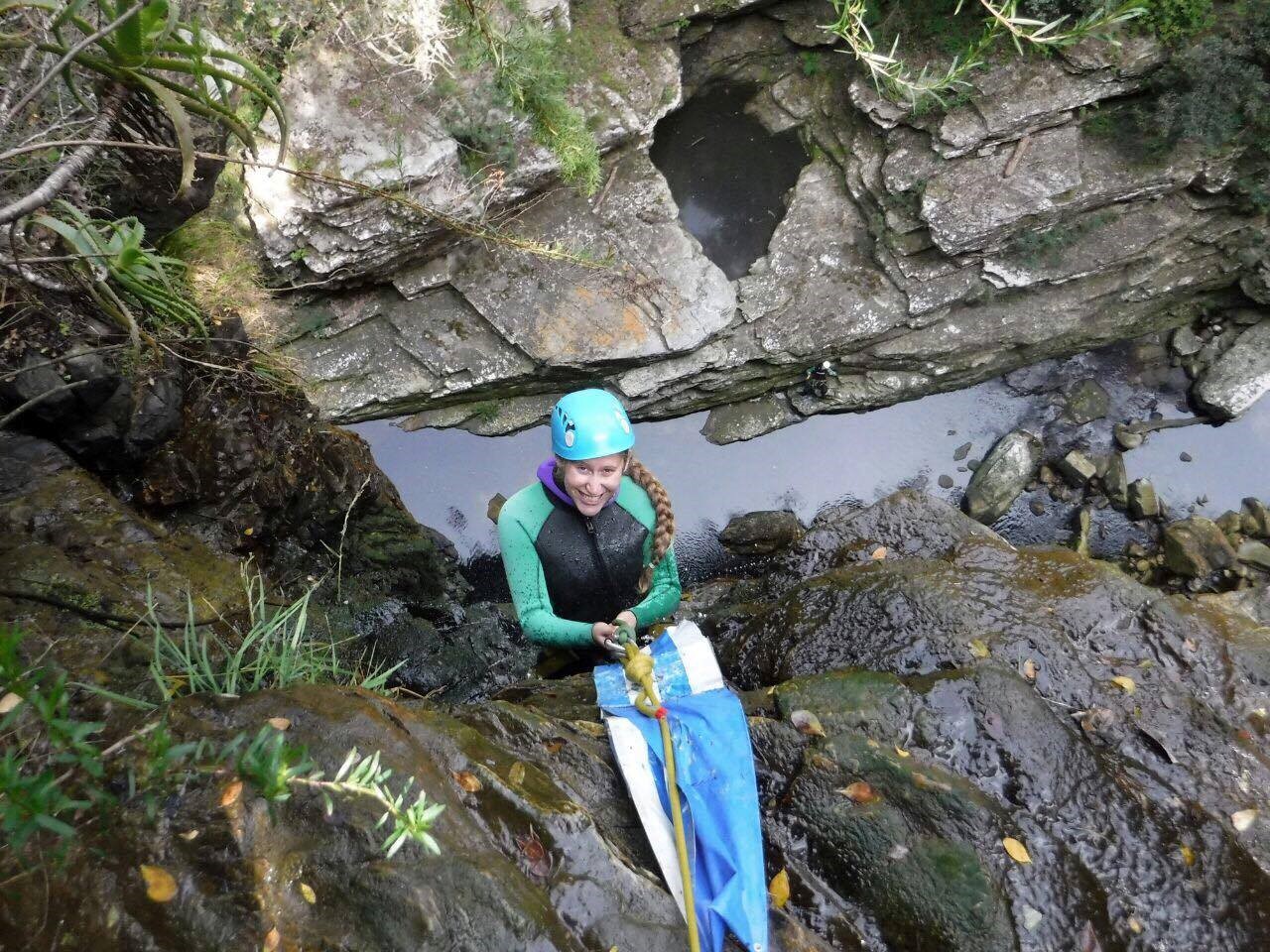
Wilderness— A beautiful town. For those wanting to treat themselves, finding a guesthouse by the ocean is recommended—gorgeous places at fair prices. In the evening, there's a central square with local art stalls, a tempting chocolate shop, great restaurants, and a fun atmosphere. For activities: rent a kayak up the river/lake leading to the ocean, or try cliff jumping—a half-day starting with abseiling down a waterfall, walking in/along the river, and jumping off cliffs! Note it's mostly shady along the route—a bit chilly (but still recommended).
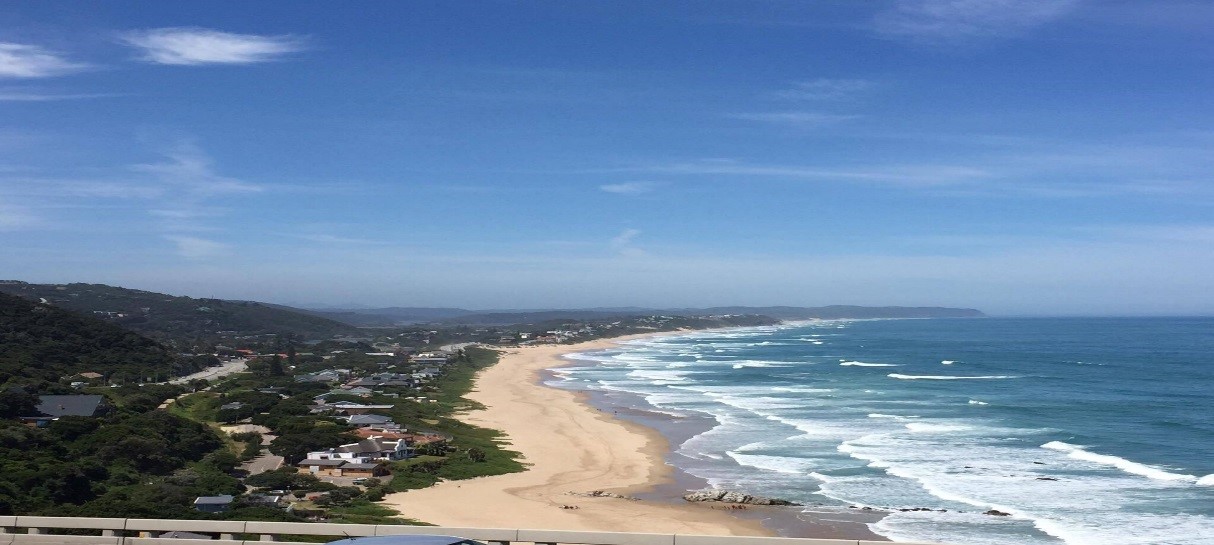
Knysna—Near town is a nice nature reserve called Circles in the Forest with hiking trails of various lengths. We visited on a Sunday so most places were closed, but we went to a lookout point where the bay's two ends almost meet—very beautiful and recommended (The Heads).
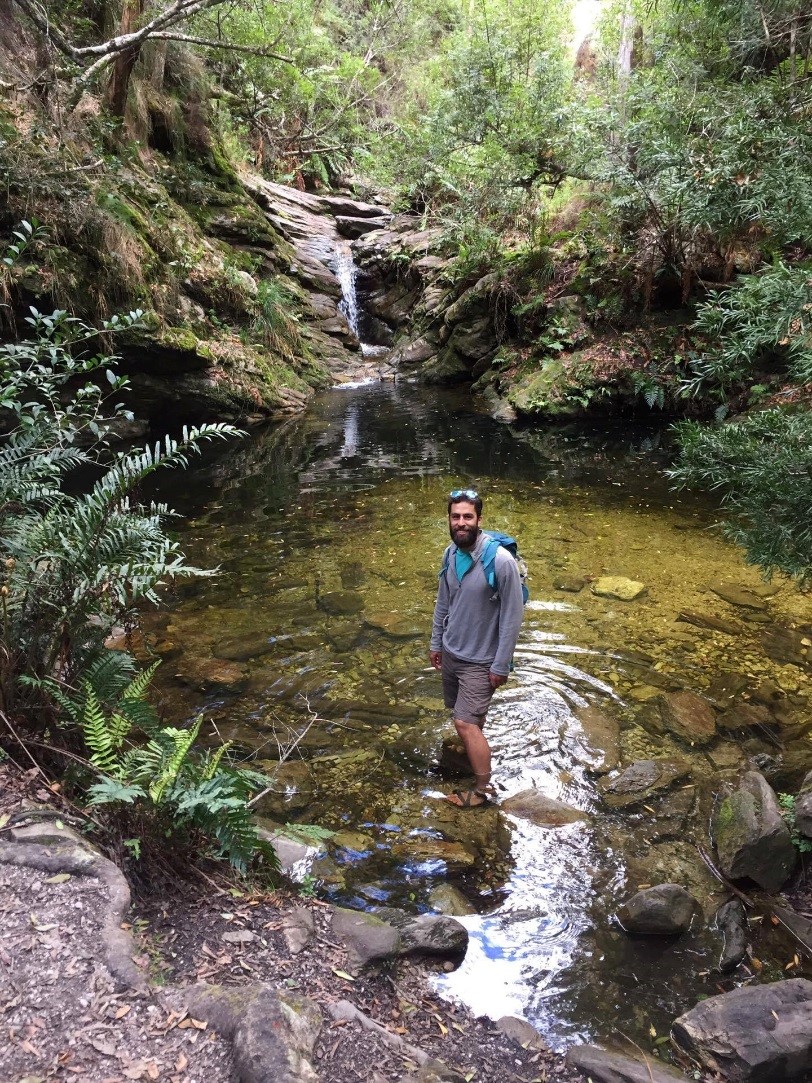
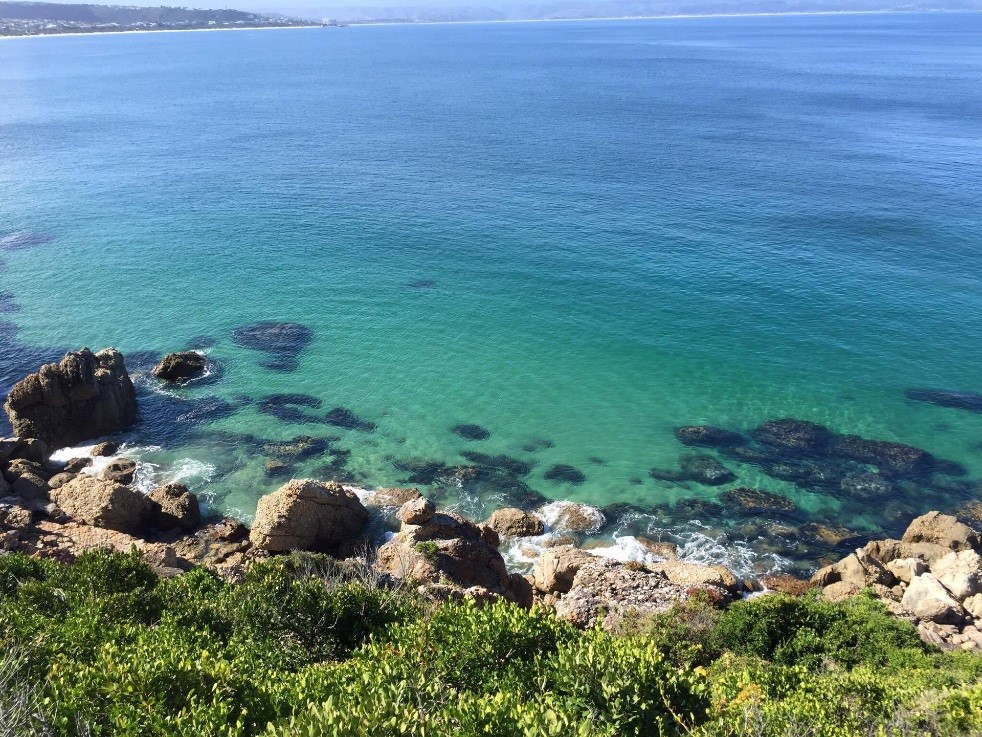
Plettenberg Bay— A lovely town with a great pedestrian street, featuring surf shops like Billabong and Rip Curl, excellent cafes, and restaurants. Highly recommended: Robberg Nature Reserve, featuring stunning ocean views from a cliff with 3 trail options (short, medium, long). Also visit the Monkeyland park nearby, where you can walk freely in a huge enclosure with monkeys jumping around eating fruit.
Storms River— We visited mainly for surrounding activities. We visited Tsitsikamma National Park, a gorgeous place with walking trails, a suspension bridge over the river mouth entering the ocean, and park activities. We did kayak & tube tours starting at the ocean and moving up the river, swimming to a pool for cliff jumps. Accommodation inside the park is available but pricey compared to nearby towns. Near Storms River, there's a nice zipline park over a river with breathtaking views. On the day we left, we did the world's highest bridge bungee jump—a once-in-a-lifetime experience and a great birthday gift for Daniel :).
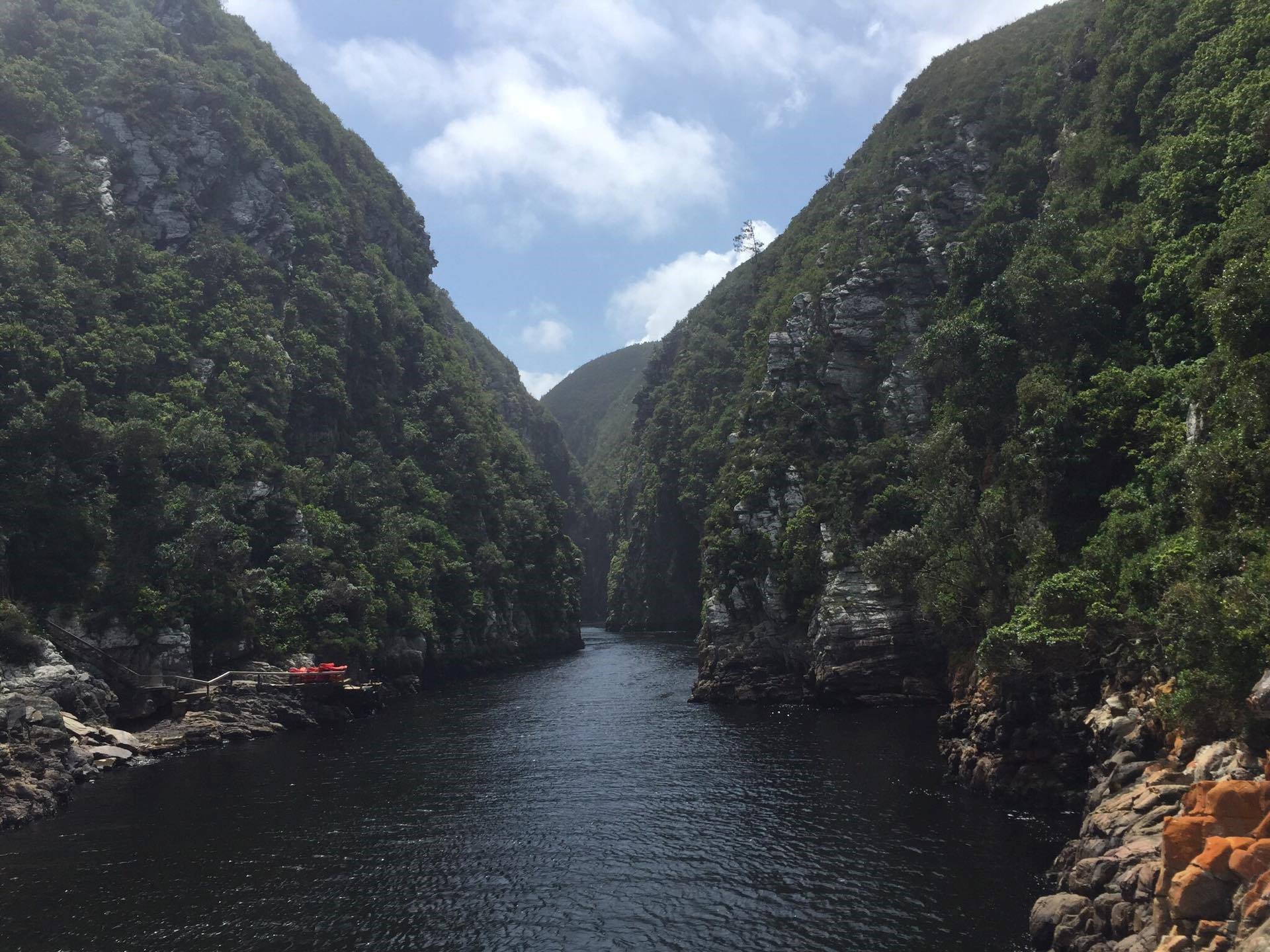
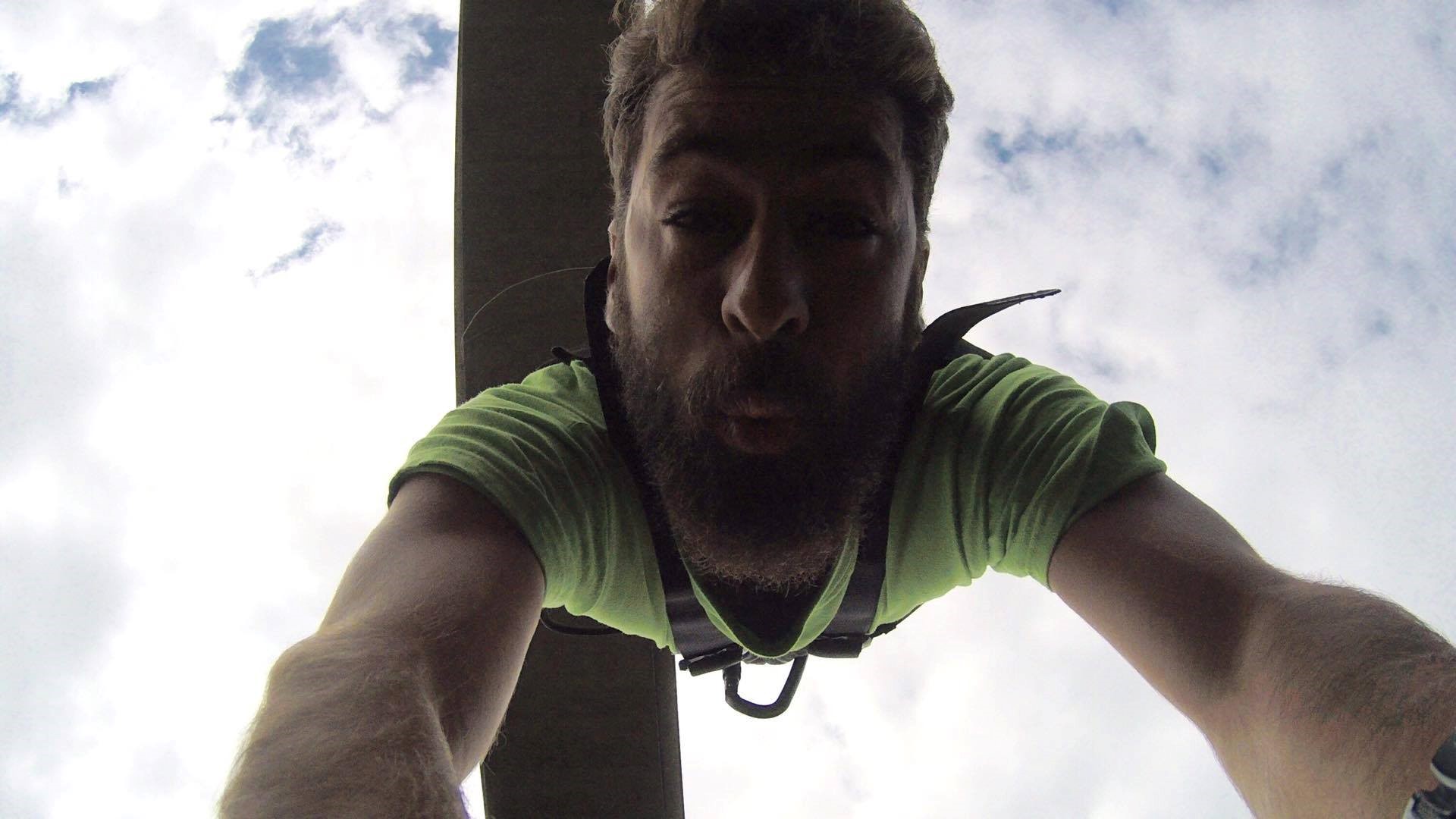
Jeffreys Bay— We visited J-Bay for shopping... several surf brand outlets can be found, the largest being Billabong in the Billabong Village. Keep your receipts for airport tax refunds!
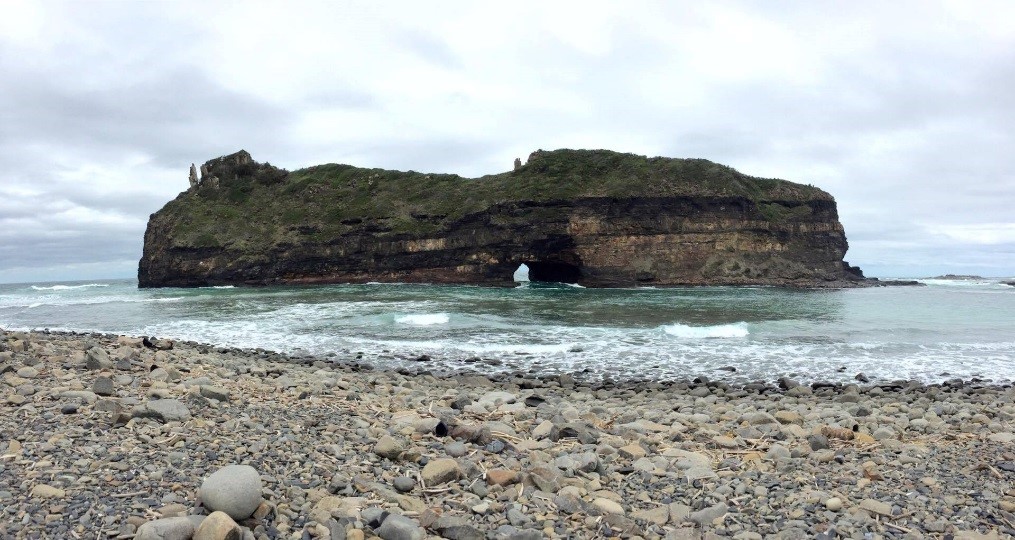
Coffee Bay—We stayed at Coffee Shack hostel, an experience in itself right on the beach with super cheap surf lessons. They offer local day trips; we hiked to Hole in the Wall, which was beautiful. Local "mamas" sell handmade jewelry around the hostel—a nice souvenir to bring home.
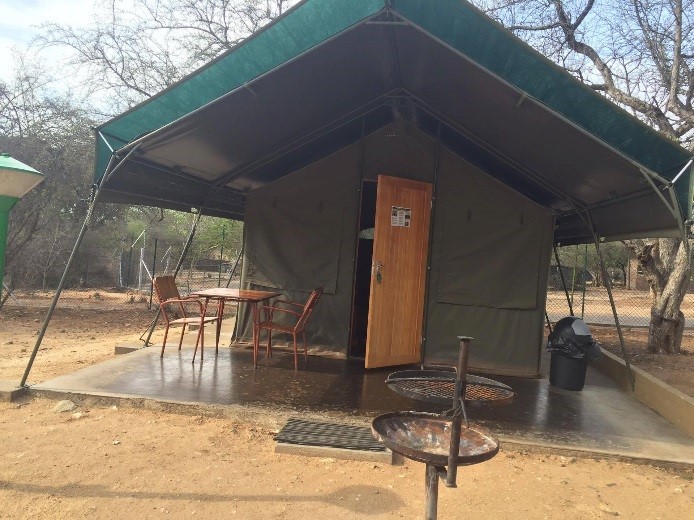
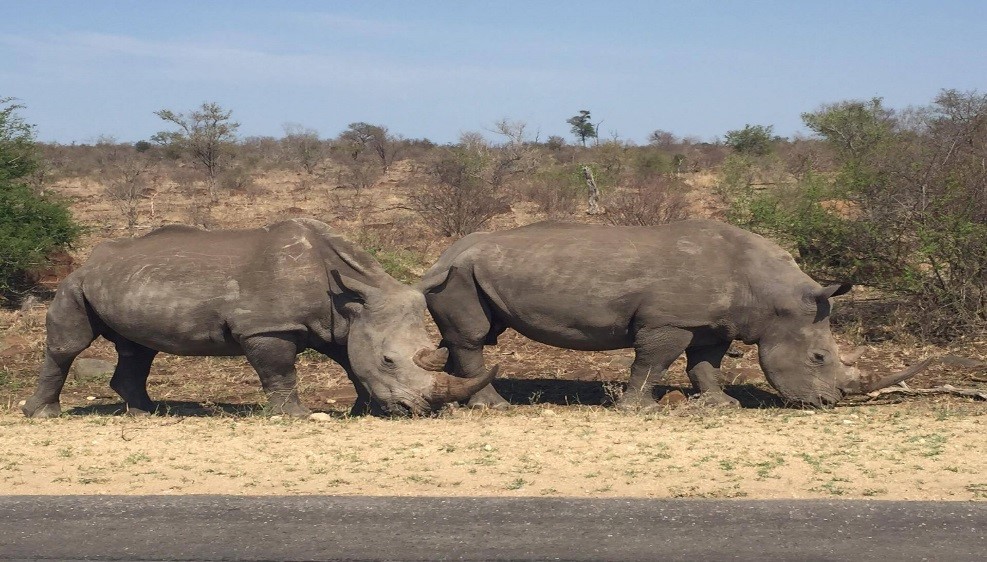
Kruger National Park— We drove to Kruger, booking main camp accommodation a month in advance via their website. We stayed 2 nights and 3 days, which felt sufficient. First night at Tamboti camp and second at Skukuza, staying in fixed tents equipped with beds, closet, towels, soap, and a fridge—making self-catering easy (bring cooking gear). After other African reserves, Kruger felt like an anthropological experience—civilization reaching the savanna! Main camps feature restaurants, cafes, and gift shops. Best of all: we saw everything, especially rhinos in abundance! Guided open safari vehicle drives can be booked; our sunset drive was wonderful. Pre-registration via the national parks website is required. Navigation inside the park is easy; buy a park map at any entry gate containing detailed wildlife and area info.
Johannesburg— We only passed through South Africa's largest city to catch flights to Mauritius and home, so we didn't sightsee at all.
General:
Coast to Coast— Essential recommendation: grab a Coast to Coast booklet containing hostel, attraction, and restaurant info. Available at hostels along the route and in major towns.
Parks Website— Contains full info on all South African nature reserves. Book Kruger stays via www.sanparks.org
Transport— Uber in Cape Town, rental car afterwards.
Maps— maps.me app for offline maps, Waze for driving.
Money— ATM withdrawals. Standard Bank offered fee-free withdrawals.
Accommodation— Used Coast to Coast book, booking a night/morning before. Stayed mainly in dorms ($10-$15 per night per person).
SIM Card— Local MTN SIM card. SIM costs ~3-10 NIS, plus a package with call minutes, SMS, and data.