


Tips for a Safari in Tanzania
Safari in Tanzania
- Safari
Safari in Tanzania
Tips and recommendations for a safari in Tanzania
Safari in Tanzania is one of the most popular tourist attractions on the continent with hundreds of thousands of visitors every year. It is probably the most famous safari reserve on the continent, and you probably know it from some nature film on National Geographic, or if not, from The Lion King!
In this article I will try to provide important information and above all bring some order to the whole safari issue. The whole part about choosing a guide and bargaining is my personal recommendation on how to approach the whole matter, aimed mainly at backpackers doing a safari while traveling across the continent, knowing that this is a heavy and significant expense and you should prepare for it accordingly.
Serengeti - Serengeti National Park
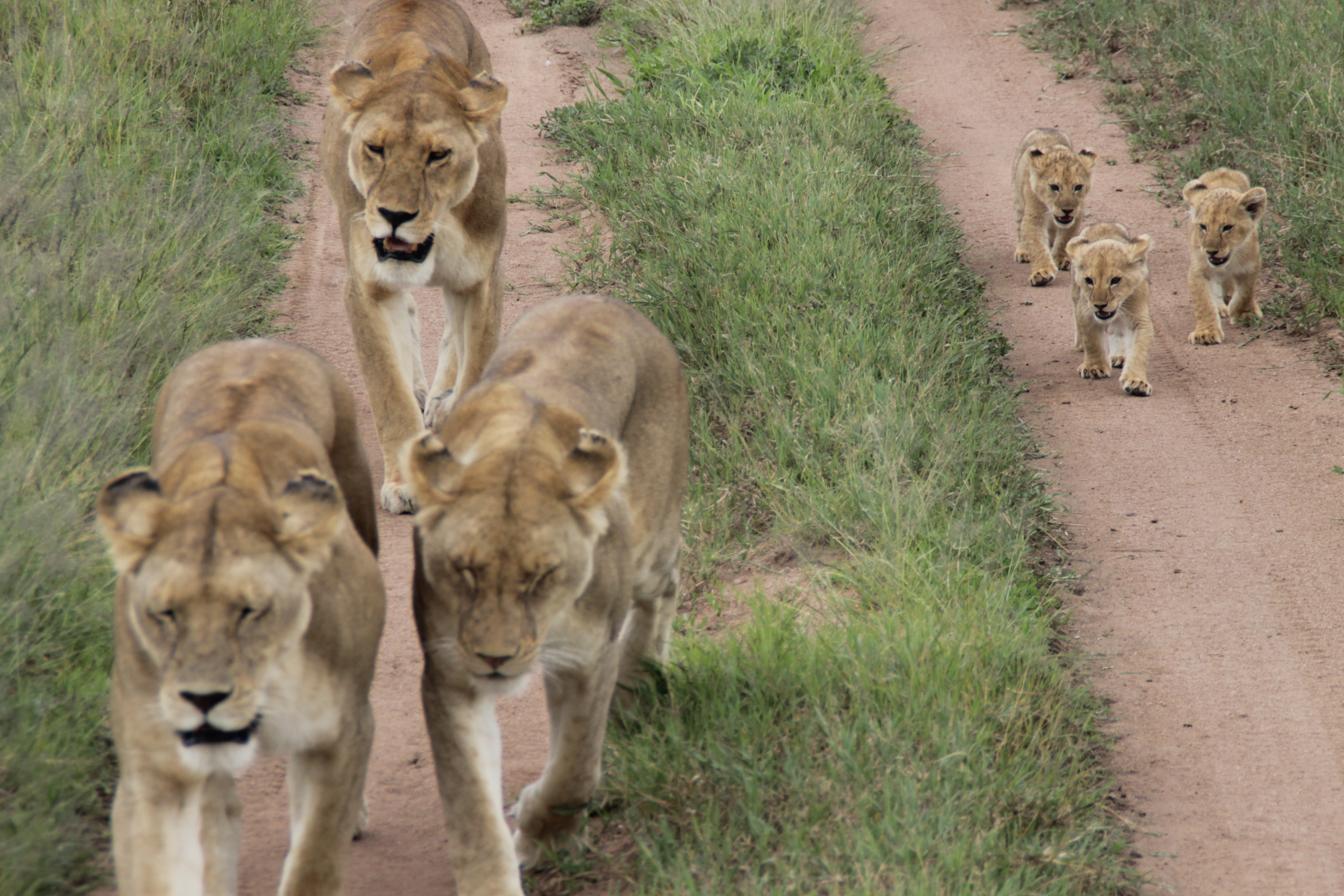
The most famous safari reserve in Africa, known as 'the one you must not miss', and rightly so. In the Maasai language, the name Serengeti means "endless plains", and that's exactly what you'll see there: endless plains of savanna packed with animals of all kinds and species.
The Serengeti is mainly famous for being home to "The Great Migration", the safari phenomenon that people come from all over the world to see. The Great Migration is the movement of over 2 million animals (mostly wildebeest, but also zebras and other antelopes) migrating for most of the year within the giant park boundaries and sometimes outside it.
It is important to clarify that safari in the Serengeti is among the best on the continent in any season!
The Great Migration
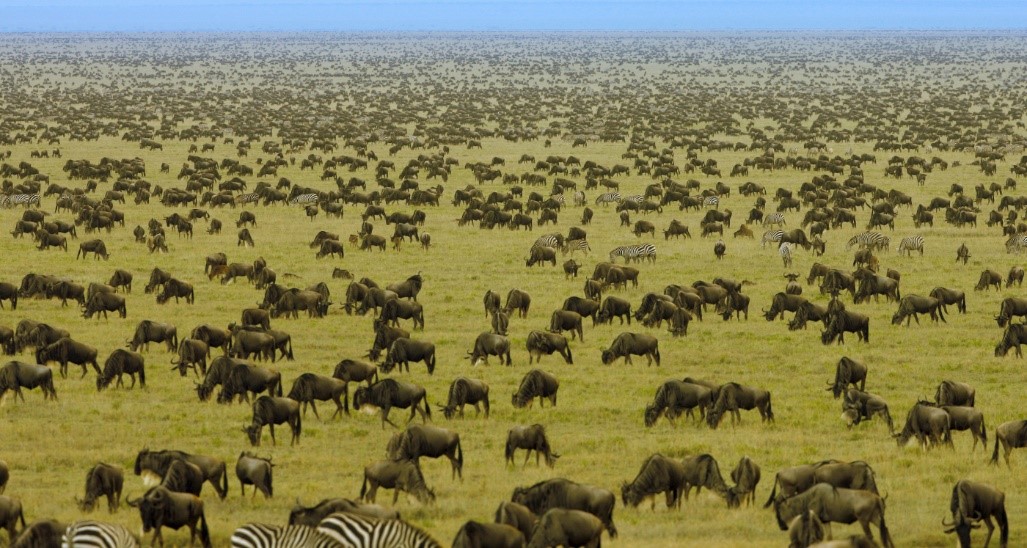
Here is a breakdown of the Great Migration by month:
January to March – Calving season. During this season the animals are in the southern part of the Serengeti and also spill into the Ngorongoro reserve (not into the crater, but into the reserve itself located north of the crater). Most calving occurs in a two-to-three-week window around February.
April May - In April the migration north begins, but they are still in the south and central Serengeti, and by May all the animals are moving north.
In June the animals are in the west of the park and some even go outside the park boundaries, gathering in groups to cross the Grumeti River (not the famous river), and this river together with various other tributaries delays their movement north a bit.
In July and August the animals continue north, some in the west of the park and some through the center.
In September the animals reach the biggest obstacle in their migration – the Mara River, which is also the border between Tanzania and Kenya. In the river they face the threat of crocodiles in the water, as well as problems with strong currents in some places. To deal with these threats they gather in large groups, sometimes searching for several days for the right crossing point. Sometimes they cross back after just a few days of vacation in Kenya.
In October there are still groups crossing north and returning, but most animals begin moving south, usually through the eastern part of the park.
November December – In November the animals continue moving south, ahead of the first rains that usually arrive at the end of the month. In December the animals reach their destination in the south of the park, ahead of the calving season.
Ngorongoro Crater - Ngorongoro Crater
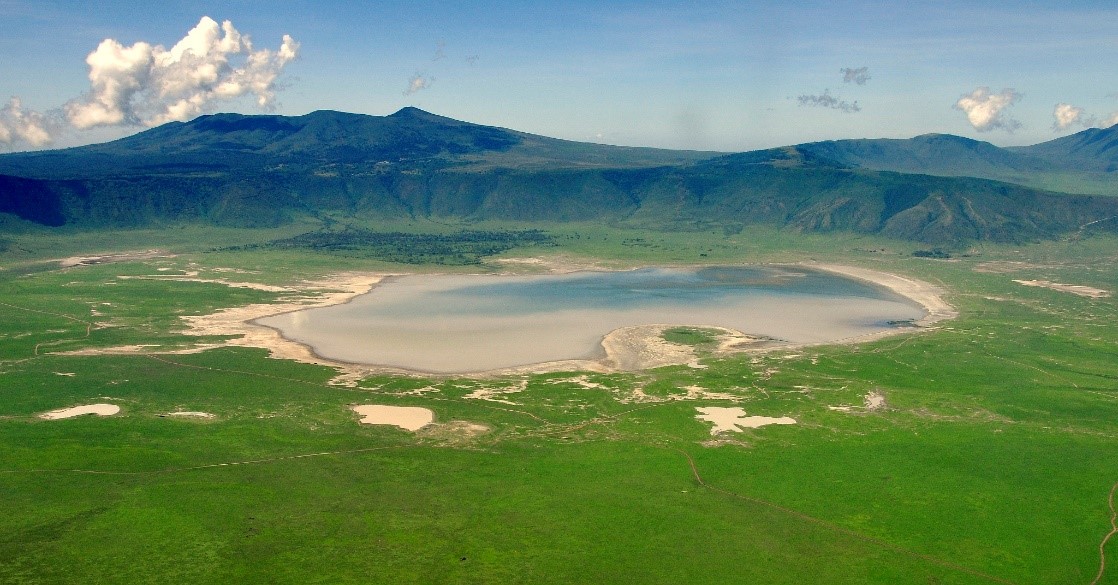
The Ngorongoro Conservation Area is a broad, mountainous territory protecting not only animals but also over 50,000 Maasai people living there. The most famous part inside the reserve is the Ngorongoro Crater, a steep crater formed 2 million years ago whose steep walls make it hard for animals to enter and leave, essentially creating an entire separate ecological world inside the crater. The crater hosts tons of animals of all kinds, including predators and herbivores, and thousands of flamingos in the lake in the middle of the crater. In December–March parts of the Great Migration reach as far as the north of the reserve, on the border with the Serengeti (not in the crater).
Tarangire - Tarangire National Park
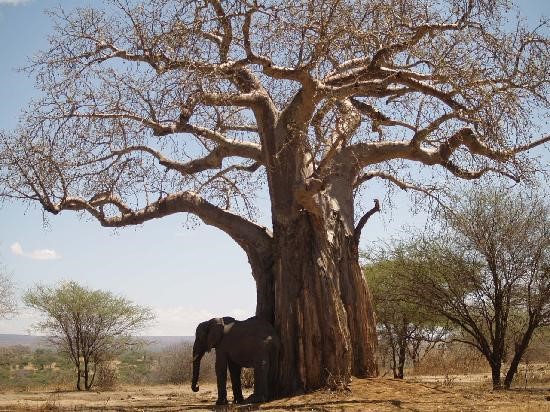
The 6th largest park in Tanzania, named after the Tarangire River flowing through it. Tarangire is characterized as a reserve of elephants and baobab trees, and is also known as the home of tree-climbing lions.
Lake Manyara - Lake Manyara National Park
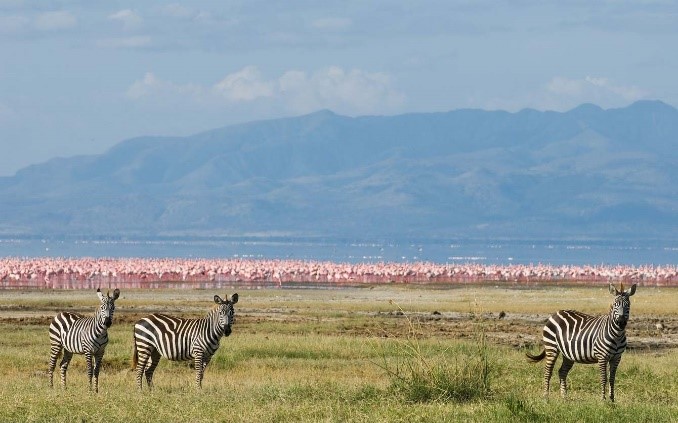
Lake Manyara is a smaller reserve, revolving mainly around the lake. There are also many animals there and a bit of variety in vegetation – areas that are more dense and forested than the Serengeti, for example.
*It's important to understand - in Manyara or Tarangire it is customary to start the first day for two main reasons:
1. Adding a day but at a discounted cost
2. Variety in terms of landscapes and vegetation, and sometimes other animals as well.
The Bushmen
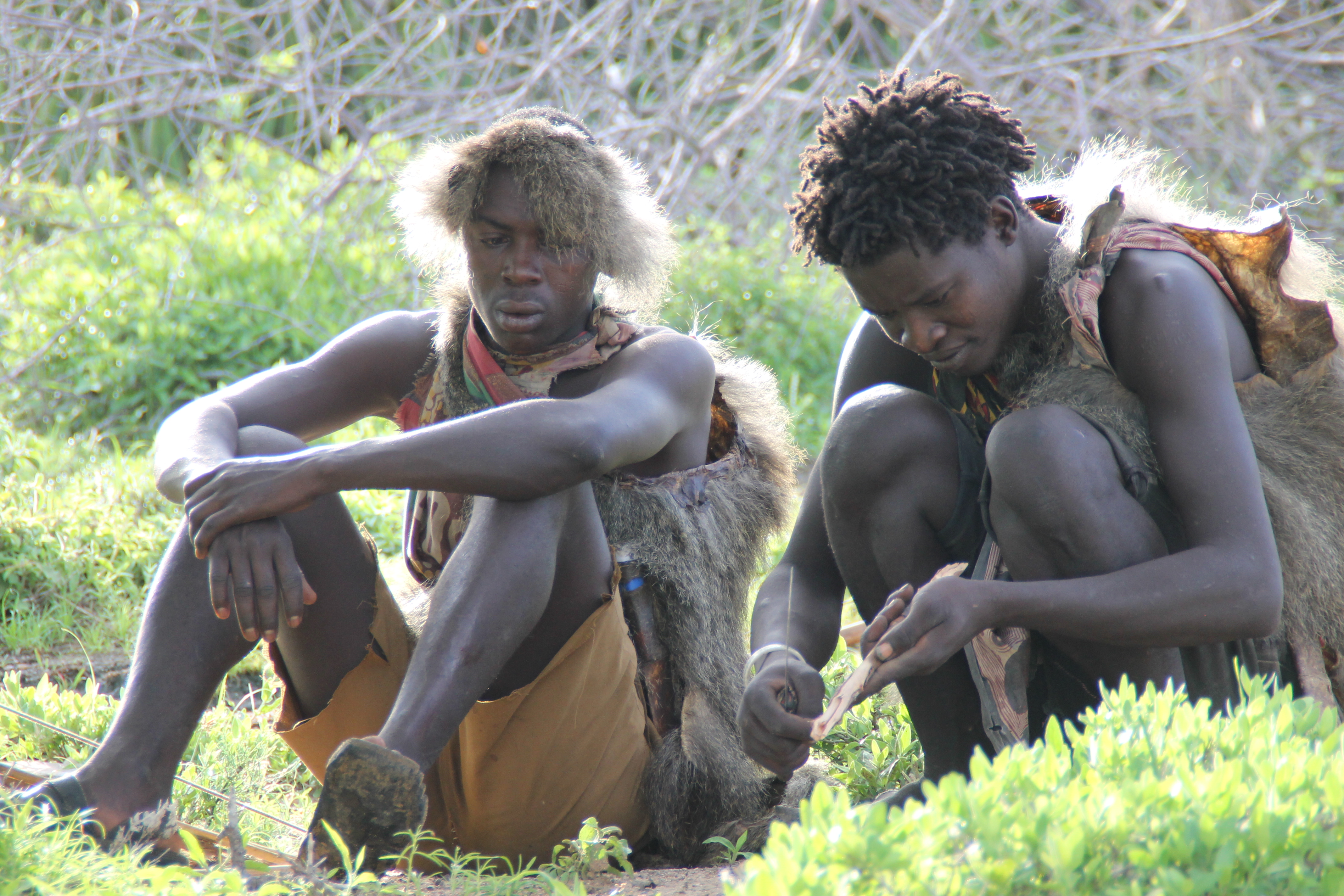
On safari there is an option to dedicate a day to the Bushmen. On this day they will take you to two Bushmen tribes: a tribe of hunters and a tribe of metalsmiths. You arrive there, they show you how they hunt, what they eat, how they craft jewelry, and teach you a bit how to dance and shoot with a bow and arrow. The whole operation there is very touristy and they are very used to visitors, which removes any feeling of authenticity. There is a lot of criticism calling this a kind of "human safari", but it also depends on your attitude and expectations when visiting.
This is something that can also be done as a separate tour from the safari.
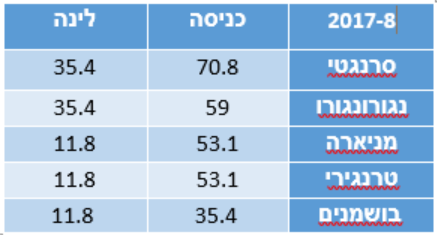
Costs of the different reserves:
Prices as of December 2017, all prices are in USD per person per day or per night.
Additional 'official' costs:
1. Vehicle cost to enter Ngorongoro Crater = $200 (divided among the group).
2. Transit cost through Ngorongoro to reach Serengeti – "Transit fee" - $50 per person.
**This basically stems from the fact that the only way to reach Serengeti from the Arusha side is by passing through Ngorongoro, so if for example you do a day in Ngorongoro and then two days in Serengeti, on the way back you pass through Ngorongoro again and therefore pay for the transit there, the price of a full day in the reserve.
Additional costs from the safari operator:
Jeep cost – The price for a "jeep per day" varies greatly, and it is essentially the operator's main fee and expense. It varies a lot and an operator might set it at $250 per day while another drops to $150 per day. This is 100% your bargaining with the operator.
Food - The customary price for "all inclusive" is $15 per person per day. When paying this, the company adds a chef and cooking equipment to the vehicle, and prepares breakfast, lunch, and dinner for you.
Accommodation – The various options are sleeping in your own tents, renting tents and sleeping bags from the operator, or staying in rooms and lodges. Here too costs vary, but it's important to understand that operators have no expense in providing tents, so some operators might throw them in "on the house" to show how much they want you to do the safari with them.
*All companies will also tell you during negotiations that this price does not include tips.
Choosing a guide and bargaining The method I recommend here is the method we used when we did a safari as part of a backpacking trip in Africa:
Forming the group – Whether you are one, two, or three, you have a much stronger bargaining chip when you are a "full jeep" rather than looking to join another group. Safari jeeps hold up to 7 people; I recommend trying to get a group of 6, so it's still relatively comfortable in the jeep and everyone has their own "window". 7 is also possible but a bit tighter.
Decision making – At this stage build the plan you want for yourselves: - How many safari days you want - Which reserves you want to visit - Food - Do you plan to cook on your own, or do you want the price to include food. - Accommodation – Are you sleeping in your own tents, rented tents, or rooms and lodges
Starting negotiations – You can close everything on the spot, but it is recommended to start negotiating by email about a week or two before planning to start the safari. We scoured the internet to get email addresses of recommended guides with whom people had only positive experiences. After forming the list we sent an initial email to all of them to get an initial quote. *They will send back quotes that can differ from each other by several hundred dollars.
Continuing negotiations – To get a lower price, show them that you understand the various costs. Write to them your calculation of the "official costs" and ask for a breakdown of the remaining price they ask, and that way you'll see the price start dropping. Of course every time someone gives a lower price, send an email to everyone asking if they can improve his offer.
Closing the safari – You can close by email if you reached an offer you are satisfied with, or drag it out until arriving in Arusha and then close on the spot. In my opinion, here as with any attraction, it is always best to close on the spot in the end.
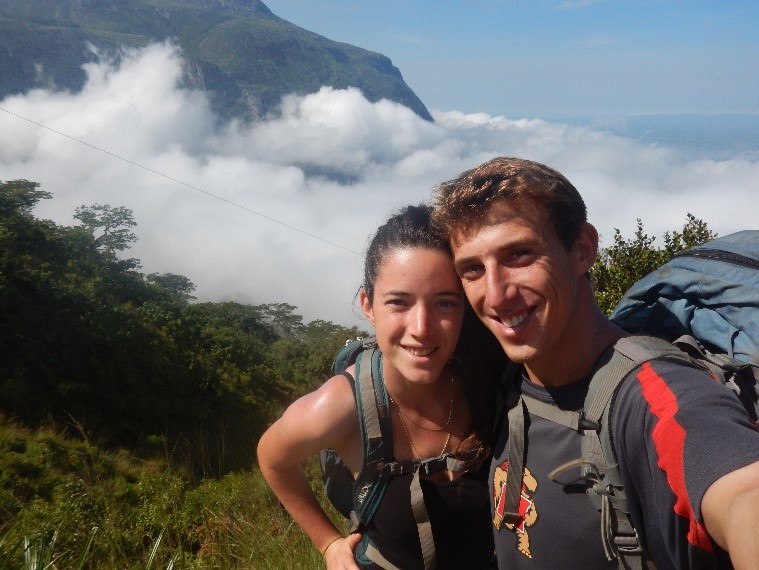
Together with my girlfriend Hadas, we set out in October 2015 for a six-month trip across the continent. We started in Uganda and went all the way to South Africa via Tanzania, Malawi, Zambia, Botswana, and Namibia.
Feel free to reach out with any question!
Ziv – 0524343480