


Madagascar — Dor Gladstone
So how do you get there?
- Independent / backpacking
Dor Gladstone, backpacker, 23 years old.
I traveled in Madagascar for about a month, and during the rest of the trip I was in South Africa, Namibia, Botswana, Tanzania, Uganda, and Ethiopia. In Tanzania, I experienced the local culture when I taught English.
Madagascar for Backpackers
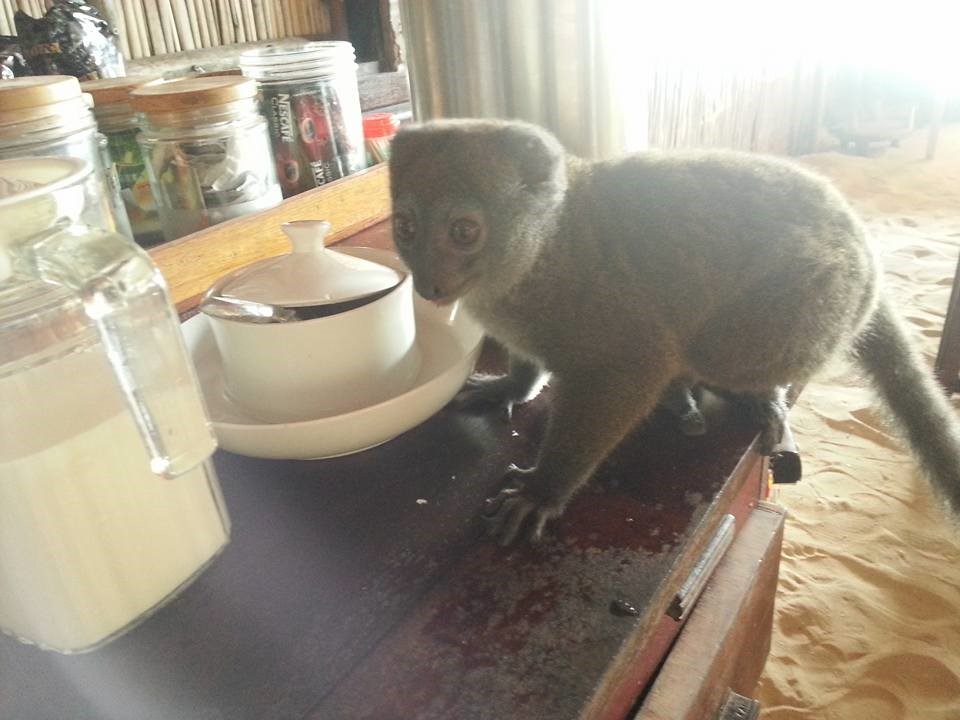
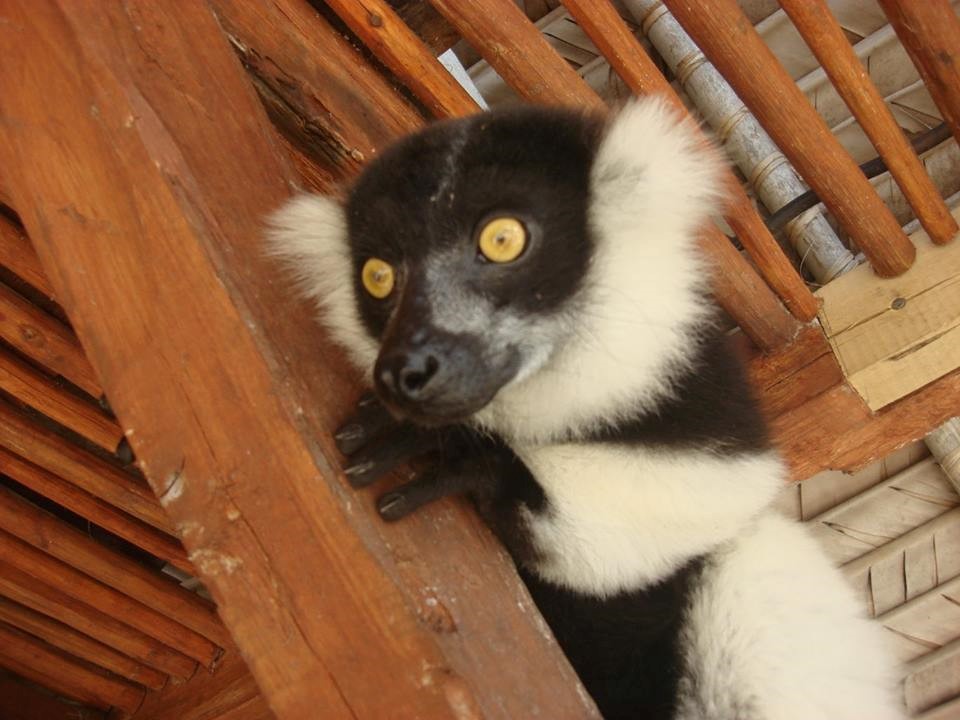
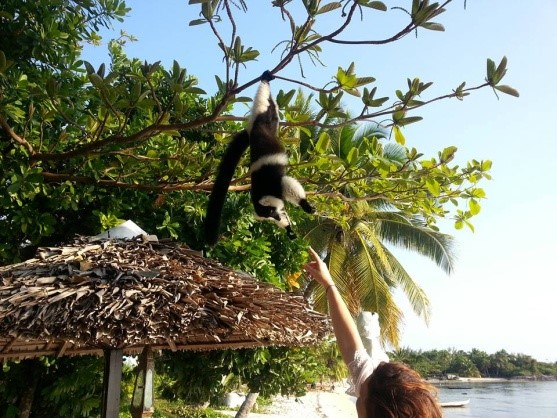
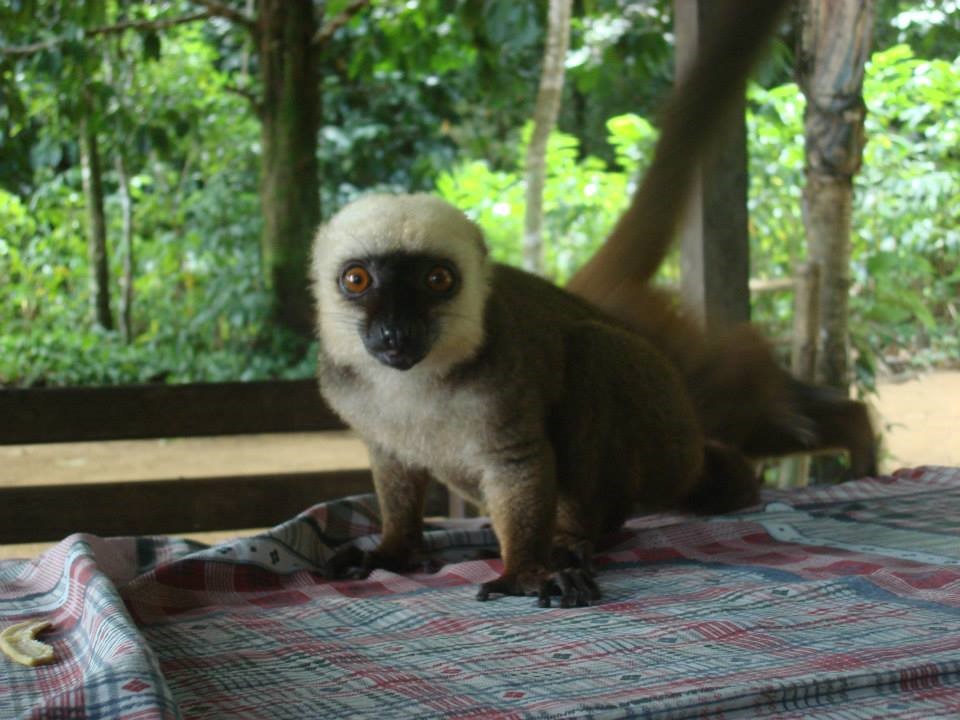
Madagascar, an island nation in the ocean, is not just a movie. It is the fourth largest island in the world (plus a few smaller islands) and is a vast, different, fascinating, and wonder-filled destination. Since the country is an island isolated for about 65 million years, it is a real paradise for nature lovers. There are countlessly endemic species (found only there and nowhere else in the world!). One such species is the lemur—a really cute mammal that is a cross between a monkey and a cat. There are many types of lemurs, with the smallest being the size of a mouse, and the largest, the "Indri-Indri", the size of a chimpanzee. Madagascar is a very diverse destination—you can find jungles, beaches, deserts, mountains, and more! Beyond nature, you can find crazy and bizarre cultures on the island.
So how to get there?
There are flights from Kenya and South Africa, and it's worth checking from Italy and France too (it might be cheaper). Flying to Madagascar is very expensive, so it is not cost-effective to visit the island for a short time. On the other hand, living on the island is very cheap. As of 2015, the local currency (Ariary) was at a ratio of 1000:1 to the Shekel. Also, national parks and treks are significantly cheaper than in East Africa. You can fly with Air Madagascar to the island and get a 50% discount on domestic flights. Note that you should not rely on the airline at all, as many flights get canceled. Therefore, if you decide to fly with them, make sure you have a buffer of at least two to three days. It's worth checking the current status on Tripadvisor or Lonely Planet forums to see if many flights have been canceled recently.
Transport on the Island
The real difficulty in traveling to Madagascar is that the roads are terrible (to say the least). For this reason, you can only rent a car with a driver. Public transport is very cheap, but on the other hand, more dangerous. There are no buses in Madagascar, so people use "taxi brousse". These are large Japanese vehicles loaded with bags and endless people. Usually it will be very crowded, often they will sit a child on your lap, and there is a decent chance you will share the ride with a rooster. You can buy two tickets (the price is very cheap) to keep the seat next to you so you have room to breathe. However, you'll need a strong heart, as you will be preventing another person from taking the ride. Journeys in Madagascar can be very long (24+ hours is definitely possible). On long trips, there will be two drivers and the vehicle will stop only for restrooms and food. Due to the road conditions and long rides, I strongly recommend focusing on a specific area, especially if you are limited on time and money for internal flights (which are incredibly expensive). In the northern region, they grow a lot of khat, which is chewed mostly by public transport drivers. If you have a very long ride, it helps a bit to cope.
Culture
The first to settle on the island were Polynesians, who arrived from present-day Indonesia about 2,000 years ago. Later, Africans also arrived. Most of the island's inhabitants today are mixed race, and the Malagasy language belongs to the Austronesian language family (closer to Indonesian). Most people on the island are Christians or Muslims, but there are also many animists. I also met a sailor who claimed there was a Jewish family in fianarantsu (I personally am a bit skeptical). Local culture and old religious rituals are still valid today. The most famous ritual is fimadihana, the reburial ceremony of the bones. Seven years after the deceased is buried, the family digs up the bones, walks with them in the streets (it is a real celebration), and then reburies them. You can arrange an invitation to a ceremony, and it is customary to bring a bottle of rum as a gift for the family. The ceremony takes place during our summer, mainly in the higher highlands region in the interior of the island. In general, the population in Madagascar is welcoming, tolerant, and very liberal.
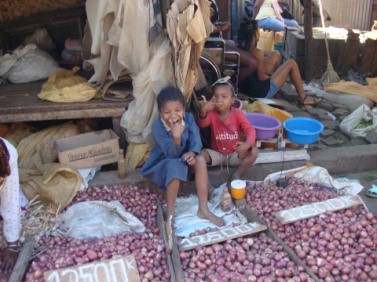
Antananarivo—the capital and largest city. I recommend staying a few days to get a feel for the island and prepare for the long journeys ahead. It is recommended to buy tickets for public transport (for distant destinations) a day in advance and pay only half the ticket price. The next day you can pay the other half. There is a crazy market in the city center, and you can do various day trips to the hills surrounding the city.
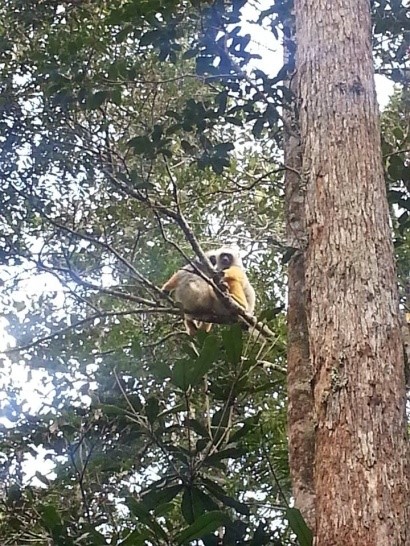
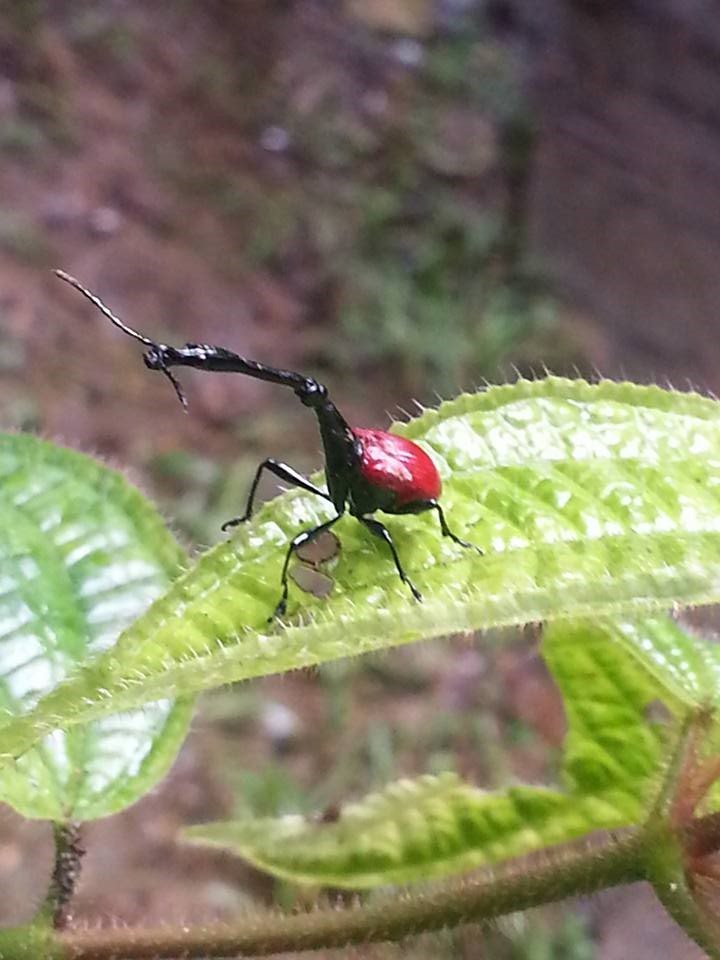
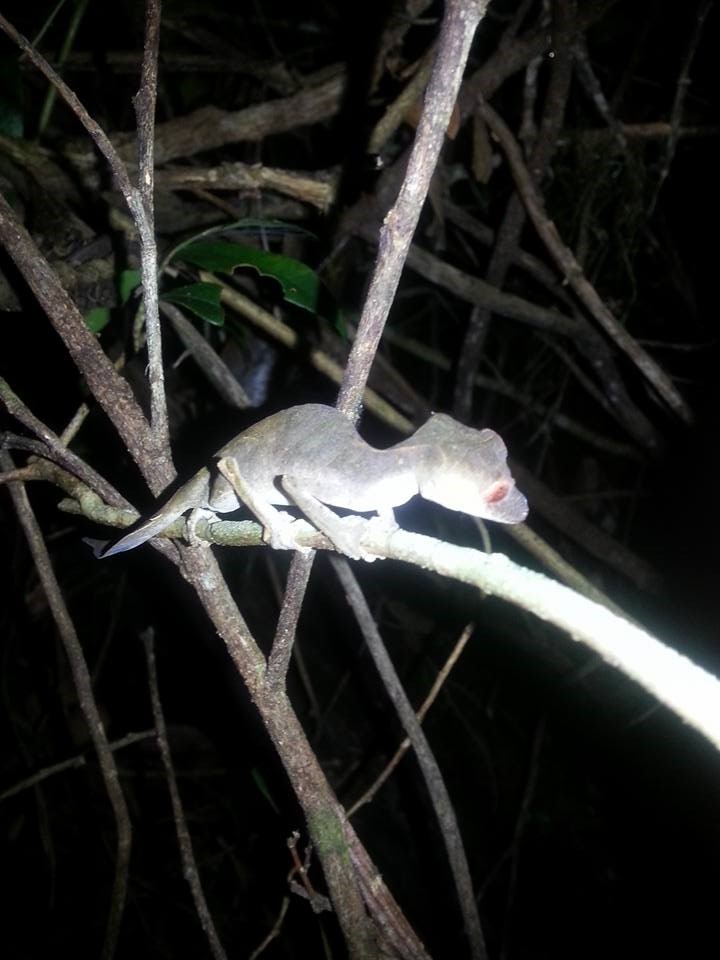
Andasibe—about a three-hour drive east of Antananarivo. The roads are good and the park is accessible, making it the most visited park in Madagascar. The touristy vibe is a bit of a bummer, but it is still one of the most beautiful parks on the island and they come with good reason. In terms of guide quality and biodiversity, it's worth every penny. The park is a bit more expensive than other parks I visited, but prices are still very cheap compared to parks in mainland Africa. I highly recommend taking a night tour; it's a cool experience and you see lots of lemurs, reptiles, and insects that you don't see during the day.
North of the island—
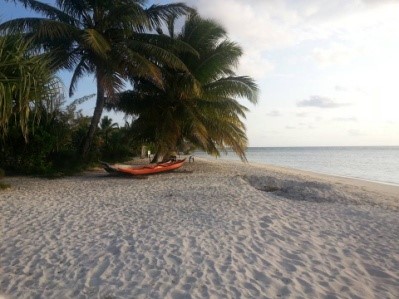
Nosy Be, a large island surrounded by many small islands in northern Madagascar. It is a popular destination for French and Italian tourists, so prices are accordingly higher. You can find amazing beaches, dive sites, and parties. There is an issue with sex tourism on the main island, and authorities are making an effort to solve it. It is said that the small surrounding islands are much more beautiful but also more expensive. However, for those looking to party, the party is on the main island. There are direct flights arriving to the island from Italy, internal flights from Antananarivo, and you can also reach it by public transport (a trip that takes around 16–18 hours, the road is relatively fine). It's worth looking up more info on the island and surrounding islets; personally, I skipped it due to the price and my plan to get to Zanzibar later.
Diego Suarez, one of my favorite places in all of Africa. It is a crumbling colonial city that serves as a great base for trips in the north of the island. The main street is in good condition, and there are many restaurants, bars, and parties. On that same street, you can also find travel agencies to help you arrange day trips from Diego. It is a much cheaper place than Nosy Be, and it still has a great atmosphere.
Day trips:
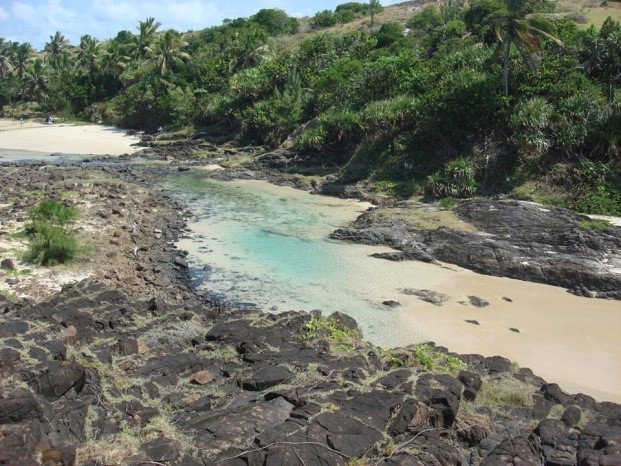
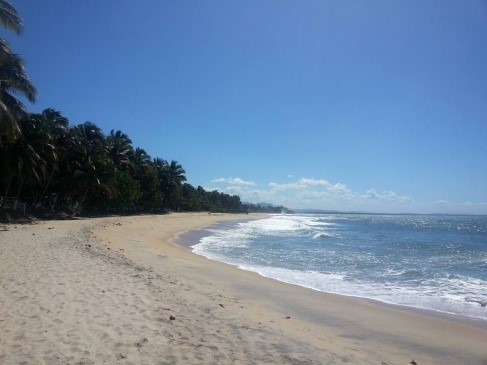
Les trois baies: This is the second largest bay in the world. The water is amazing. Note that there are crazy winds in the area all year round, so you won't necessarily have the best weather in the world. It's worth going for a walk in the area. I highly recommend visiting Ramena beach, a beautiful beach full of boats and super cheap fish restaurants (a couple's meal including two fish, squid, beers, and rum cost 60,000 Ariary, about 30 NIS).
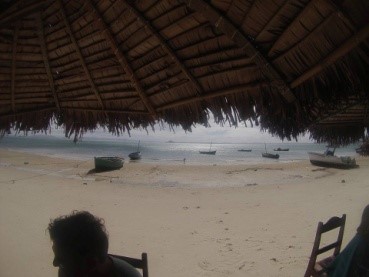
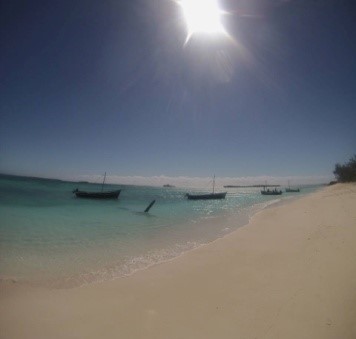
Mer d'emeraude: The water in this area gets an amazing color. Similar to the eastern beaches of Zanzibar, there is a crazy phenomenon of extreme high and low tides here. I went on an organized snorkeling tour here, and while the snorkeling wasn't that great, the tour itself was a success mainly because of the beauty of the sea, the people, and the food.
Tsingy rouges: I don't know if it's because I didn't come with expectations, but for me (and those with me were thrilled too), it is one of the most beautiful natural phenomena I've encountered. Like other impressive geological phenomena on the island, there is a tsingy here—sharp, impressive pillars of rock. Only in this case, they are made of beautiful reddish sand.
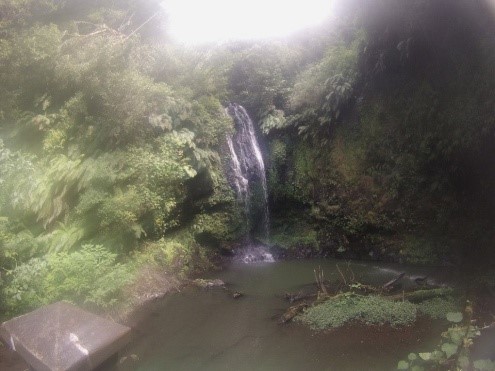
Montagne d'Ambre: A cute national park, recommended to combine on the same day with Tsingy rouges. Very nice if you want to see some forest, lemurs in the wild, chameleons, and waterfalls. In my opinion, it's worth a visit, overall nice, but doesn't compare to other parks in Madagascar.
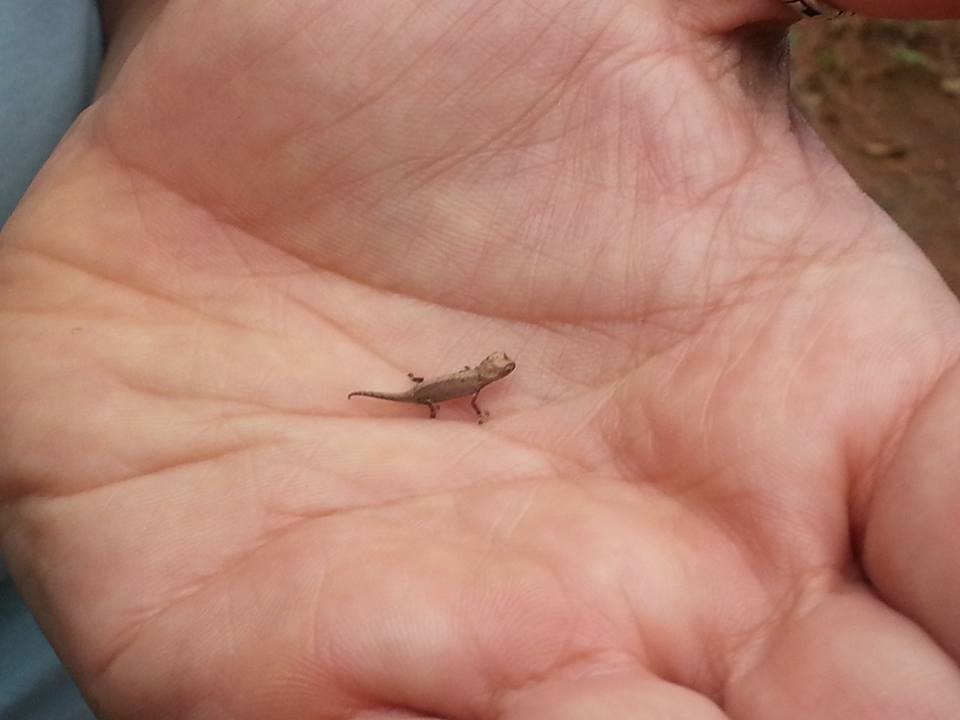
The smallest chameleon in the world
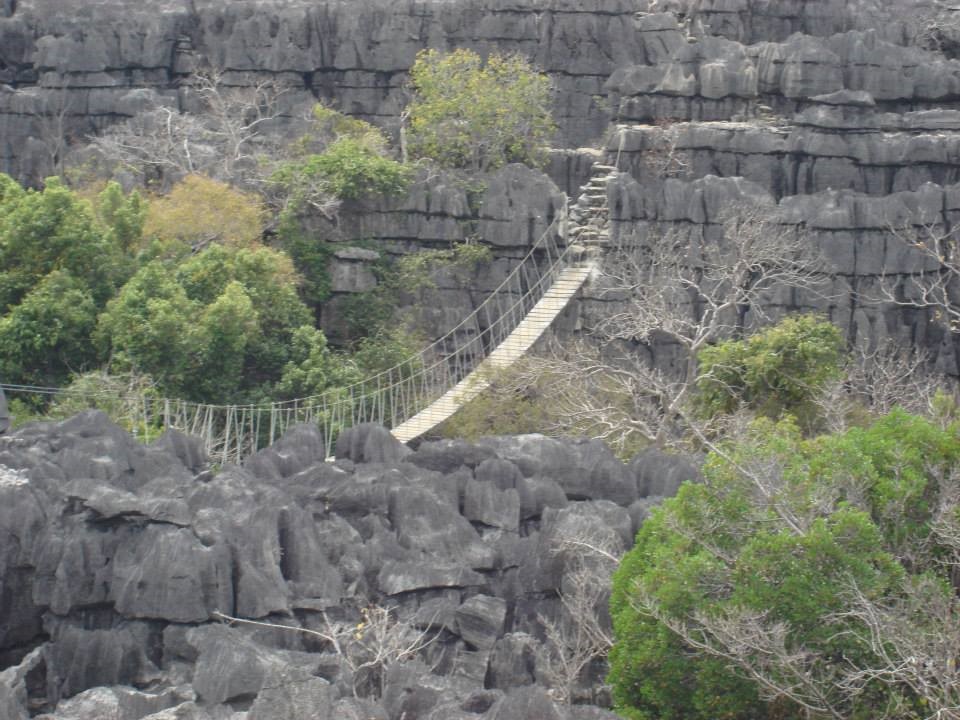
Ankarana: You can't really reach it and tour it in a single day from Diego, but if you're traveling by road from Nosy Be or Antananarivo, it's definitely worth a visit. It's a national park where the main attraction is the tsingy (a phenomenon also found in western Madagascar). I arrived from Antananarivo by public transport on a journey that took about 20 hours. My guide was pretty lame, but the park itself is beautiful and the tsingy is very special.
Tsingy rouges: I don't know if it's because I didn't come with expectations, but for me (and those with me were thrilled too), it is one of the most beautiful natural phenomena I've encountered. Like other impressive geological phenomena on the island, there is a tsingy here—sharp, impressive pillars of rock. Only in this case, they are made of beautiful reddish sand.
Montagne d'Ambre: A cute national park, recommended to combine on the same day with Tsingy rouges. Very nice if you want to see some forest, lemurs in the wild, chameleons, and waterfalls. In my opinion, it's worth a visit, overall nice, but doesn't compare to other parks in Madagascar.
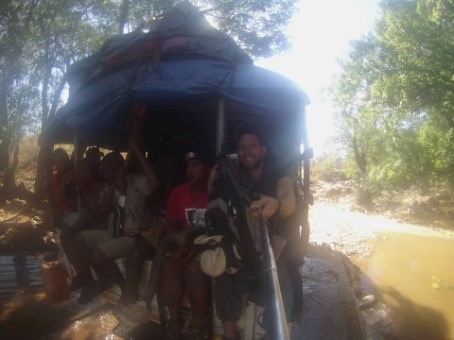
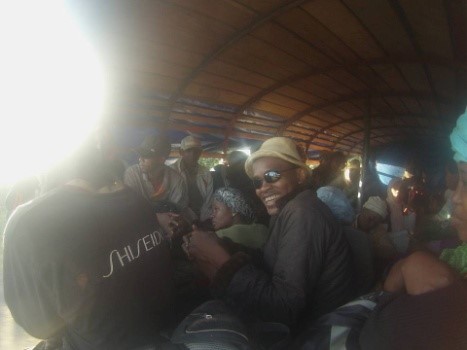
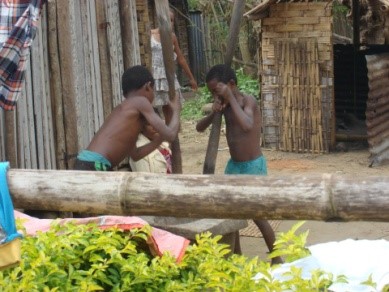
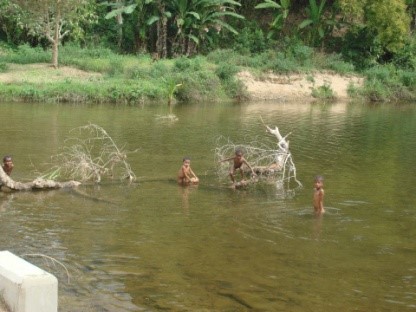
The truck from Diego, Sambava and Marojejy
Antalaha—the vanilla capital of Madagascar (for those who didn't know, 50% of global vanilla is produced in Madagascar). The city serves as a base for treks in the Masoala peninsula, which is also a very special national park. If you have time and love nature, there are 2-week trekking expeditions here (it is one of the least accessible rainforests in the world and has really cool things like carnivorous plants). There is an airport and Air Madagascar offices.
Maroantsetra—note that it is pronounced Maroantsetr, and it doesn't sound like it's written. This is a very important point because it complicated things for me a lot, and nobody had any clue what I was talking about. There isn't much to do here (and I know because I got stuck here for five days). You can get here on a five-day trek (also possible in three days of super fast walking, from experience) from Sambava crossing the Masoala peninsula; of course, you can also do it in the opposite direction. The trek is used to get from A to B because there is no other way, and yet it is perhaps the most successful trek I did in Africa. It might take a day to arrange an English-speaking guide in advance, so take that into account. Getting here from the south is complicated, and you can do it via the RN5. This is the worst road in Madagascar and most likely in the world. There's a good chance you'll walk it faster, and once in a while you have to load your car onto a raft to cross it to the other side. This is a relatively expensive experience that can be done in a rented car with drivers specializing in this drive. People usually embark on this road for the experience. Another option (also dangerous) is a boat ride that takes a few hours along the eastern coast of the island. Note that the waters in this area are rough, and there have been cases of capsized boats (in one incident, a minister in the Malagasy government was killed). In any case, if you don't want something challenging, I recommend a flight. There is an airport here and also Air Madagascar offices, but no computers. I recommend handling flight matters in a main place like Antananarivo or Diego Suarez.
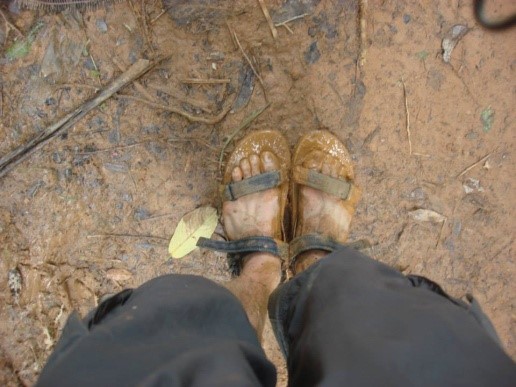
Masoala—Antalaha to Maroantsetra (or vice versa)—The trek crosses the Masoala peninsula via the shortest route and passes through several local villages along the way. You are expected to do the trek with other locals, as this is the only way for village residents to keep in touch with the outside world and transport goods. Despite the isolation, you can get water and food in every village (there is no electricity anywhere), but you can cool drinks a bit in the river (my guide was shocked by the concept). The trek (which is fairly clear) must be done with a guide. The guide isn't strictly necessary, but they can add a lot. I also recommend hiring a porter because you will need to cross many rivers, and it is not an easy route. Usually it's a 5-day trek; I was in a rush and did it in two and a half days. I highly recommend taking your time—there is a lot to see, and you can also take side treks and spend more than a week in the area. At the end of the trek, you need to take a boat (costs a few cents) to reach Maroantsetra. The trek mostly passes through villages and focuses less on nature. Anyone wanting to explore the peninsula needs more time in the area. I recommend doing the whole trek in sandals because every day you cross several rivers.
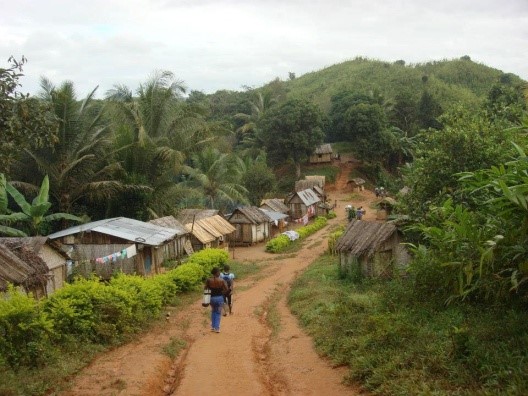
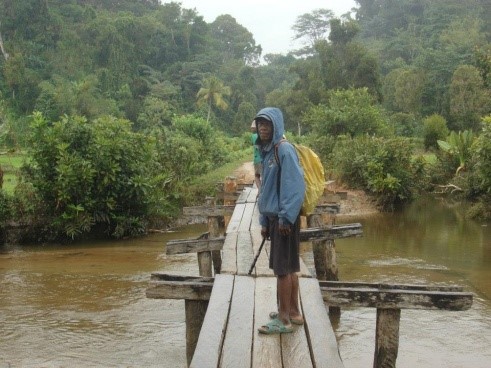
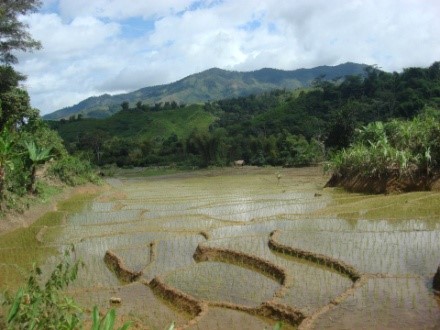
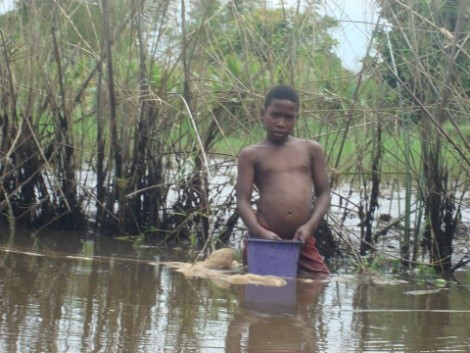
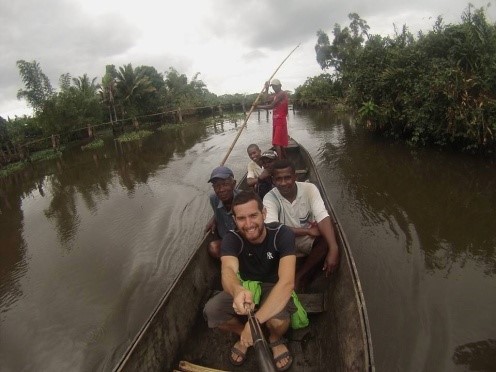
Nosy Mangabe—one of the most beautiful places I've visited. A short boat ride from Maroantsetra will bring you to this isolated, dreamy island. I highly recommend staying overnight here. The island is amazing, quiet, and you will meet a variety of animals and lemurs brought to the island as part of a project to protect them. The original inhabitants of the island were exiled by the government, and their ancestors are still buried there (a very important detail in Malagasy culture).
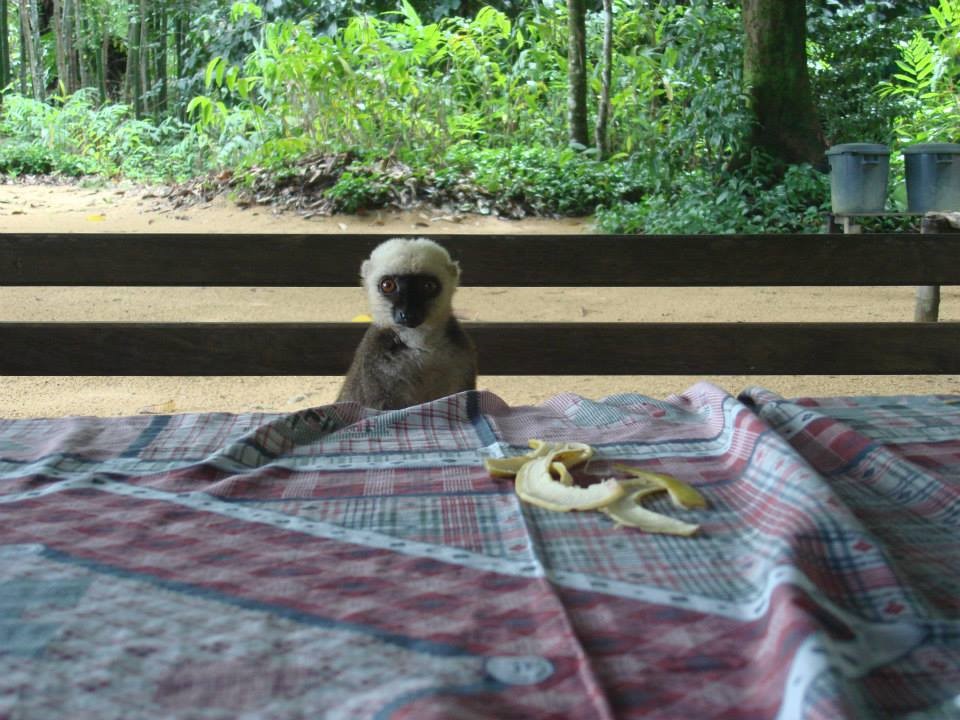
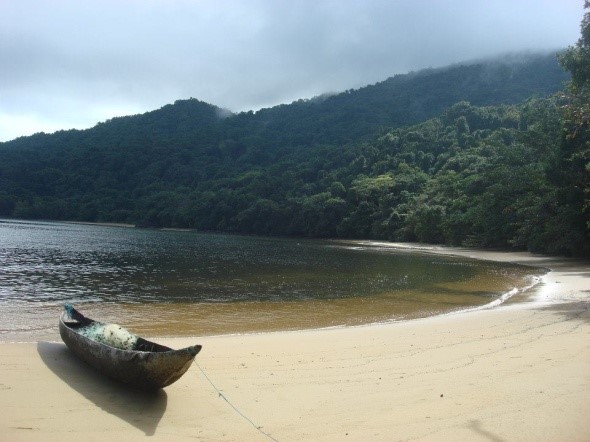
As I've already mentioned, getting out of maroantsetra is a project. I waited for a speedboat for three days, and when the moment finally arrived, it was in repairs. There are no banks there that accept Mastercard (generally an issue on the island, so coming with Visa is strongly recommended). There is an option to do a Western Union transfer, which saved me after I lived off bananas for a bit. Finally, with the help of a translator, I negotiated with the captain of a cargo ship, and he agreed (mainly thanks to the crew who were super thrilled that I joined) to go to Ile Sainte Marie (or its alternative name, Paradise) for 200,000 Ariary, about 200 shekels—a detour that took them another 8 hours (it's important to make sure you get a bed in the negotiation). We left at 5 AM (you have to leave at this time due to the tides). After a few hours at sea, it was decided to stop because conditions were rough. We stopped off Mananara, a city that serves as a launching point for Aye Aye Island, where you can find the rarest and coolest lemur, the Aye Aye—it's worth reading a bit about it. Unfortunately, I didn't have enough time to go looking for the Aye Aye. After people in canoes came to take us into the city, and once we had eaten and had our fill, we returned to the ship to spend the night on it. The next morning we continued to Sainte Marie Island. Overall, the boat journey was quite an experience, and I really enjoyed the crew and local hitchhikers.
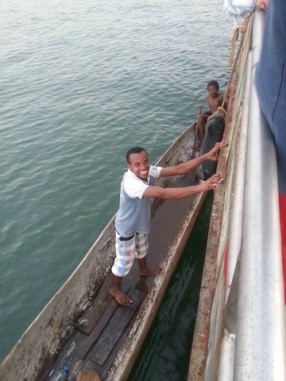
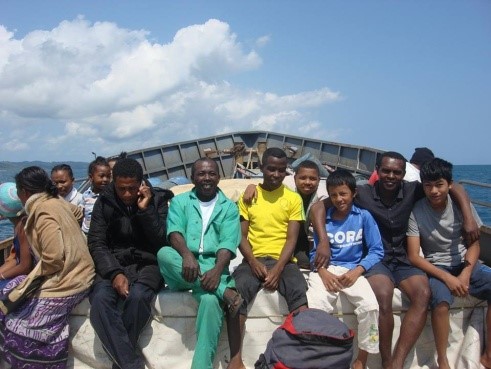
As I've already mentioned, getting out of maroantsetra is a project. I waited for a speedboat for three days, and when the moment finally arrived, it was in repairs. There are no banks there that accept Mastercard (generally an issue on the island, so coming with Visa is strongly recommended). There is an option to do a Western Union transfer, which saved me after I lived off bananas for a bit. Finally, with the help of a translator, I negotiated with the captain of a cargo ship, and he agreed (mainly thanks to the crew who were super thrilled that I joined) to go to Ile Sainte Marie (or its alternative name, Paradise) for 200,000 Ariary, about 200 shekels—a detour that took them another 8 hours (it's important to make sure you get a bed in the negotiation). We left at 5 AM (you have to leave at this time due to the tides). After a few hours at sea, it was decided to stop because conditions were rough. We stopped off Mananara, a city that serves as a launching point for Aye Aye Island, where you can find the rarest and coolest lemur, the Aye Aye—it's worth reading a bit about it. Unfortunately, I didn't have enough time to go looking for the Aye Aye. After people in canoes came to take us into the city, and once we had eaten and had our fill, we returned to the ship to spend the night on it. The next morning we continued to Sainte Marie Island. Overall, the boat journey was quite an experience, and I really enjoyed the crew and local hitchhikers.