



Ten Project in Gondar, Ethiopia
"Ten" Project in Ethiopia
- Volunteering
I flew on the big post-military trip with my friend. We started with 3 months of volunteering in Ethiopia through the Jewish Agency, and from there we continued traveling all the way to Madagascar via Uganda, Rwanda, Tanzania, Zanzibar, Malawi, Zambia, Namibia, and South Africa.
Questions are welcome!
On Facebook - Shai Klot
Project "TEN" in Ethiopia
Project TEN in Gondar, Ethiopia
Project Explanation - General: Project TEN is a project associated with the Jewish Agency but operates as an NGO (non-governmental organization). Project duration - 3 months. The project has several centers around the world: Ethiopia, Ghana, and Mexico, as well as 2 centers in Israel - in Arad and Harduf. The project's rationale is to integrate learning and doing while maintaining a Jewish identity - a rationale of 'Tikkun Olam'. The doing is the volunteering itself and the learning is learning the culture and history of the place where you volunteer, the local language, as well as learning 'Jewish Thought' classes on Jewish topics, some related to volunteering and some general topics. One of the main goals of the project is to bring together young Jewish people from all over the world, so in the volunteering activities themselves most of the time there won't be just Israelis, but also people from other countries, which is why the language of the project is English.
Selections: The selection process is identical for acceptance to any of the centers. It all starts with an application form that you need to fill out. You can find the form on the 'Project TEN' website, you can search Google and find it really easily. You send the form by email and fairly quickly the project staff will get back to you and offer you several dates to come to the selection day held at the Jewish Agency building in Jerusalem. On the selection day itself, you will go through several topics, and they will also test your English level - a necessary condition for participating in the project. At the end of the selection day, you will undergo personal interviews where you will be asked a few more personal questions and asked which center you are interested in attending and for which cycle. After a few days to weeks, you will receive an answer by email if you were accepted. After that, you will need to start settling payments and deal with various paperwork, and additionally attend 2 orientation days, also at the Jewish Agency building, where you will get to know the group you will be volunteering with, understand the volunteering rationale, and get to know the different volunteer options available at the center.
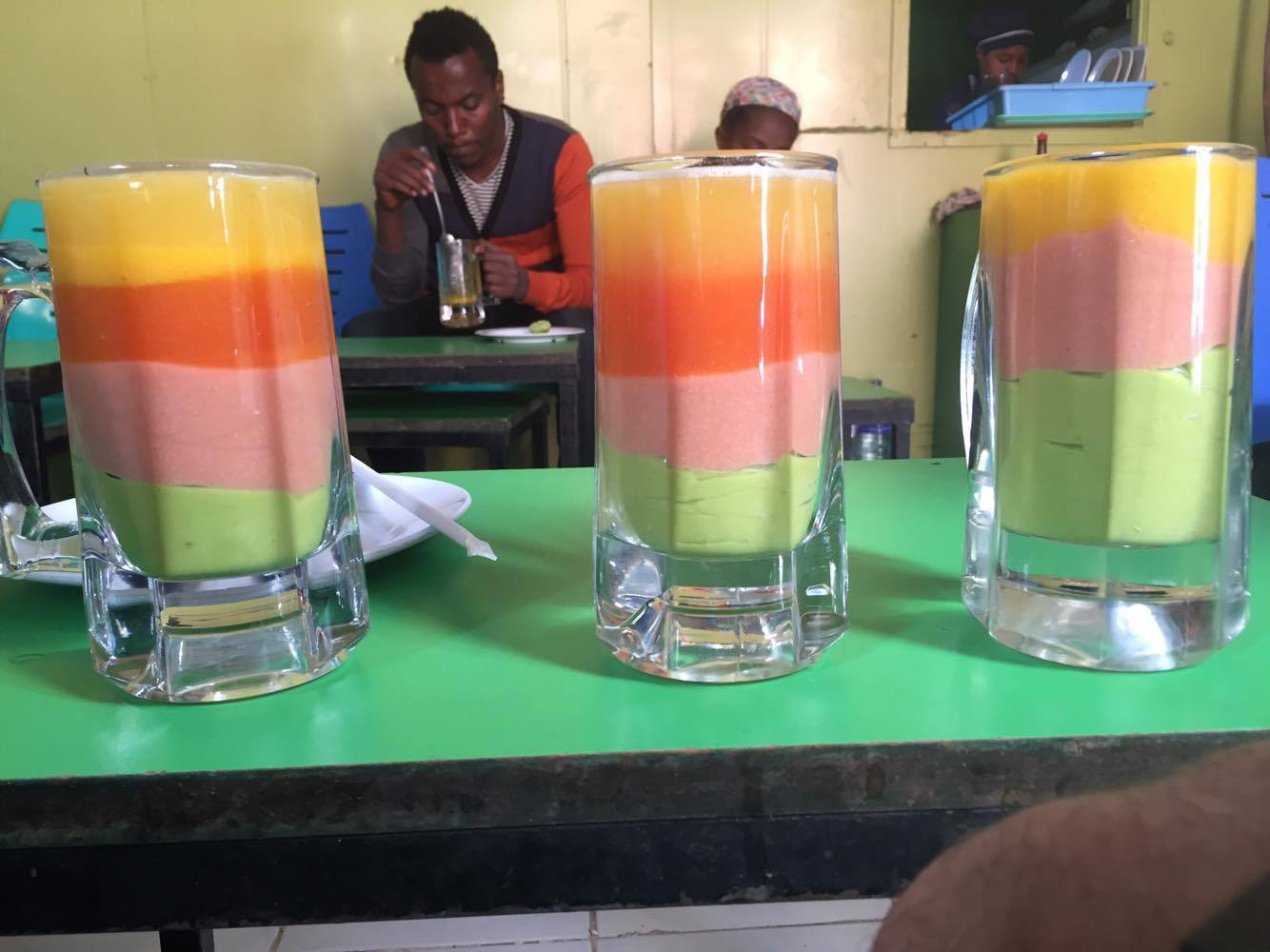
Payments: The cost of the program is $12 a day times 90 days, total - $1080. The visa for Ethiopia is obtained at the embassy located in Tel Aviv; it is a business visa for 3 months and its cost is 160₪. Basically, during the program you go on trips on open weekends (there are open weekends and closed weekends) and it is your choice whether to go out. It also depends on what can be done on weekends because sometimes they are longer depending on our holidays and Ethiopian holidays; for us, the trips cost around $470. In addition, there is the matter of living expenses at the house - day-to-day expenses, whether toiletries, going out to restaurants, souvenirs, beer (Ethiopian beer is cheap and tasty), etc. Of course, living expenses vary from person to person, but it's something on the order of $400 for the 3 months.
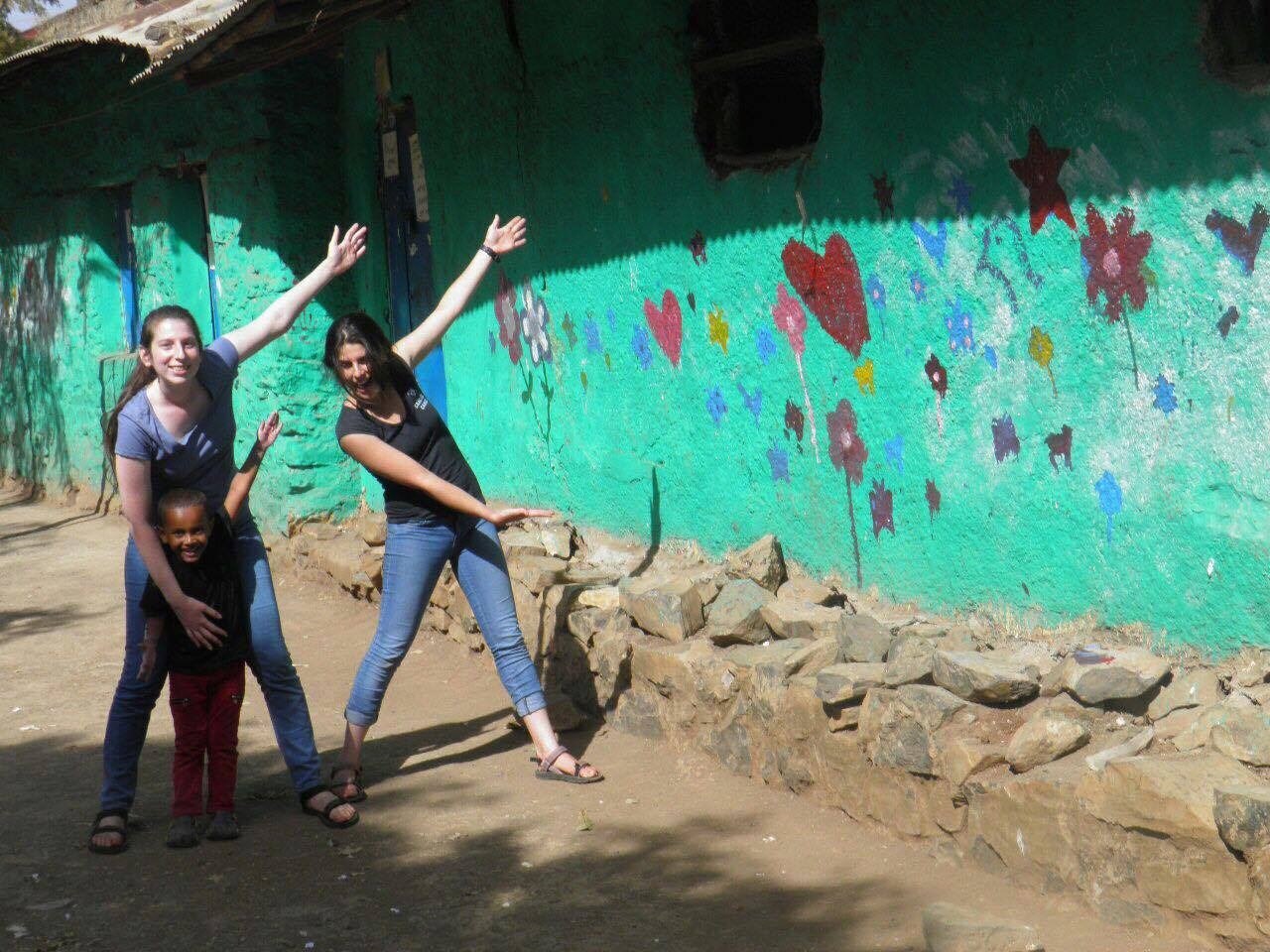
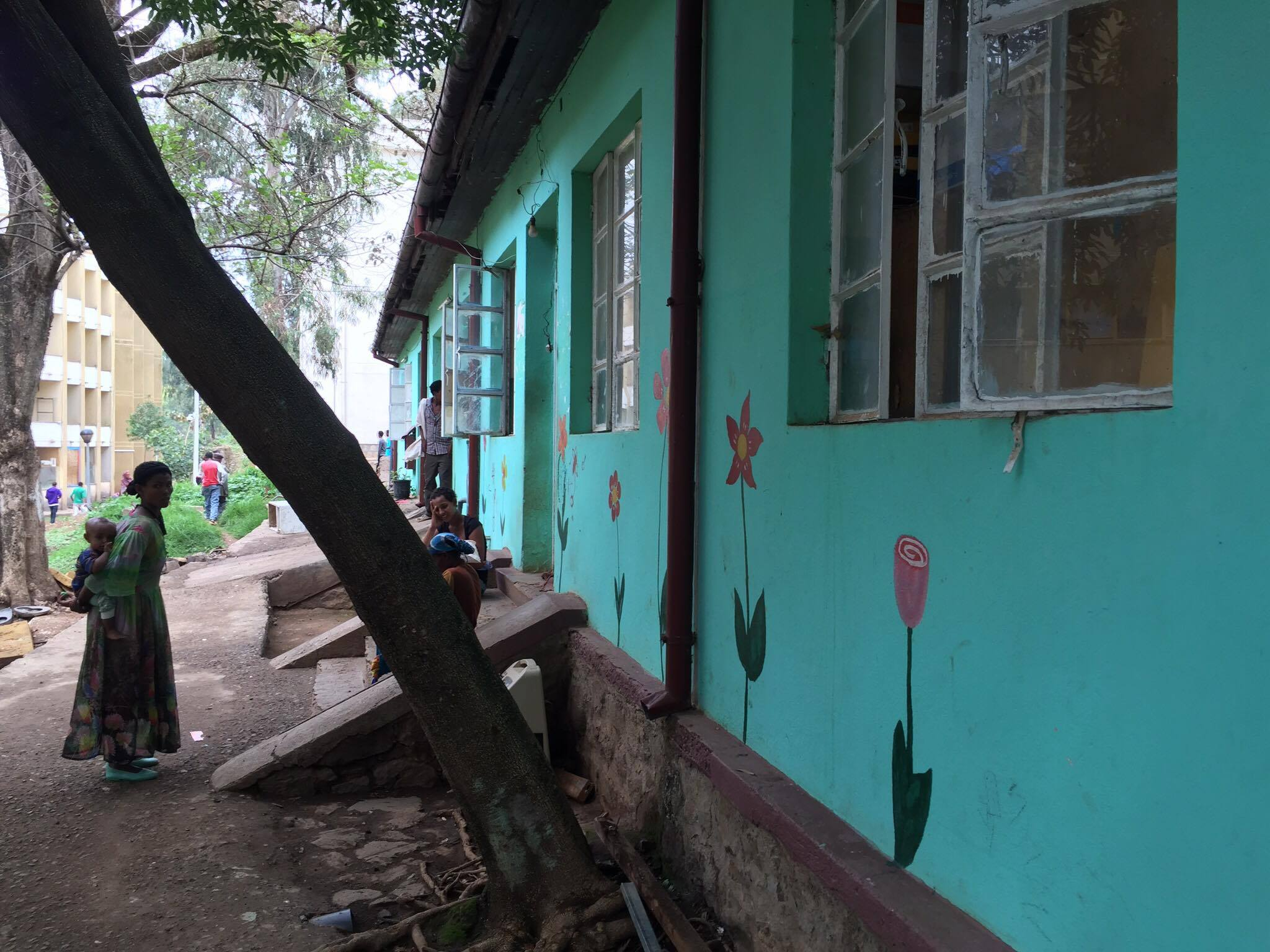
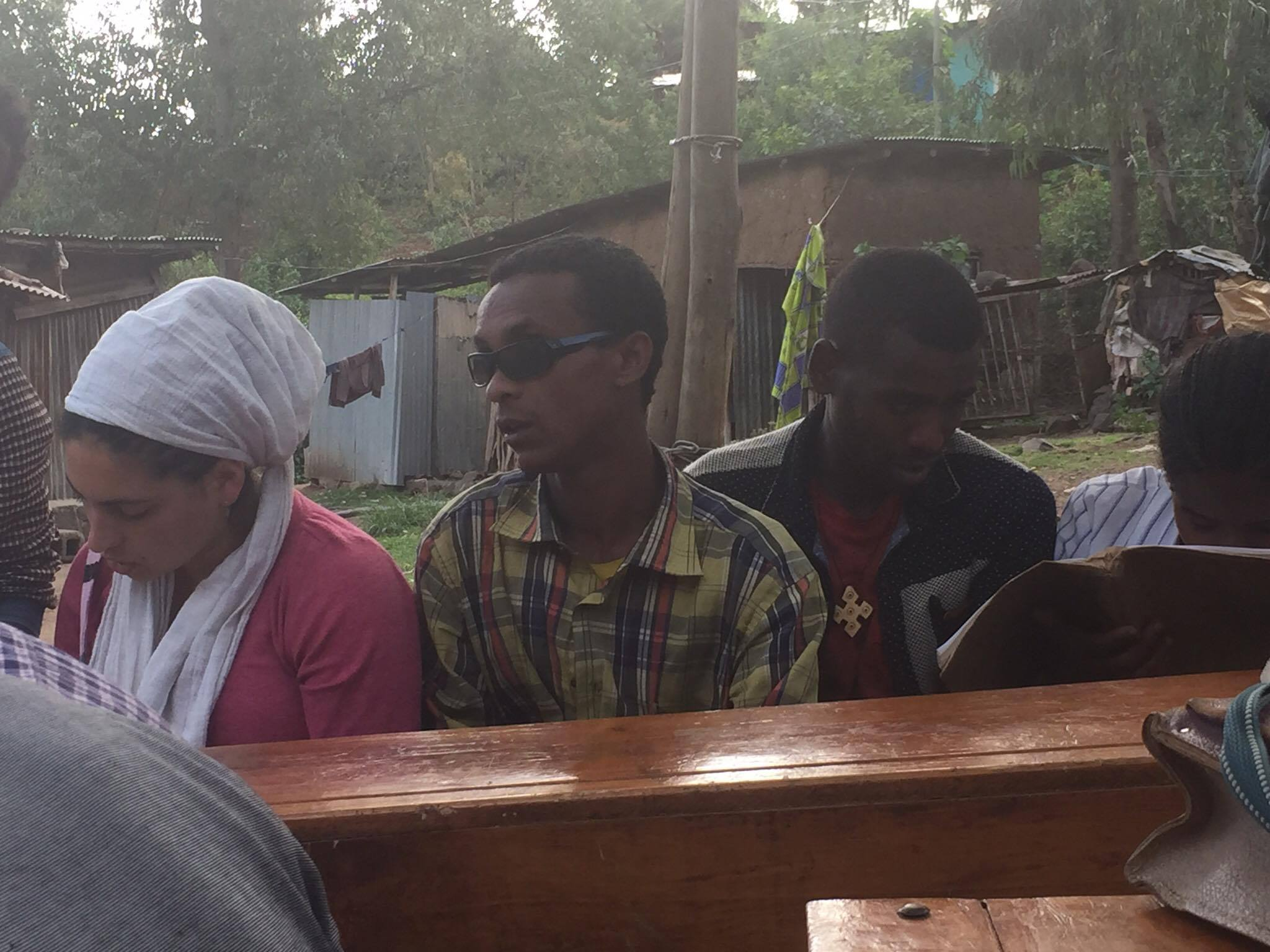
Explanation of the center in Gondar: The center in Ethiopia is in the city of Gondar located in the northwest of the country. The center in Gondar is the oldest center among all Project TEN centers, existing for over 4 years. In Gondar, the focus is on 4 main projects: informal education, special education, health, and agriculture. Each group has a professional coordinator. In my cycle there was no agriculture, it depends on the seasons... In each of the projects there are sub-projects, in each of which you usually go in the morning to a school to teach lessons to children, each project focusing on its topic (sometimes in the afternoon, in Ethiopia they study one week morning and one week afternoon). In informal education, you go to regular schools to teach English, computers, and science. The lessons are 'bonus' lessons and not part of the kids' regular schedule. In the health group, you go to different schools and give lessons on hygiene with the help of translators. In the special education group, you go to regular schools to classes for blind children and sometimes also for children with disabilities, assisting the teachers in delivering the lesson. In the afternoon usually (again - this varies) there are other activities that differ between projects. In informal education, it's either going to a kind of youth movement established at our center that teaches leadership, or to a mobile school to teach lessons to street children - the school belongs to an organization external to Project TEN with which we simply collaborate - or going to run an elective workshop on a free topic at an orphanage. In health, there is either medical clowning in the pediatric ward or volunteering at an institution for women with intellectual disabilities and children with cerebral palsy. In special education in the afternoon, you go to a place where several blind young people around 20 years old live and help them with homework and also just chat with them in English to help them improve the language.
Personal Experience:
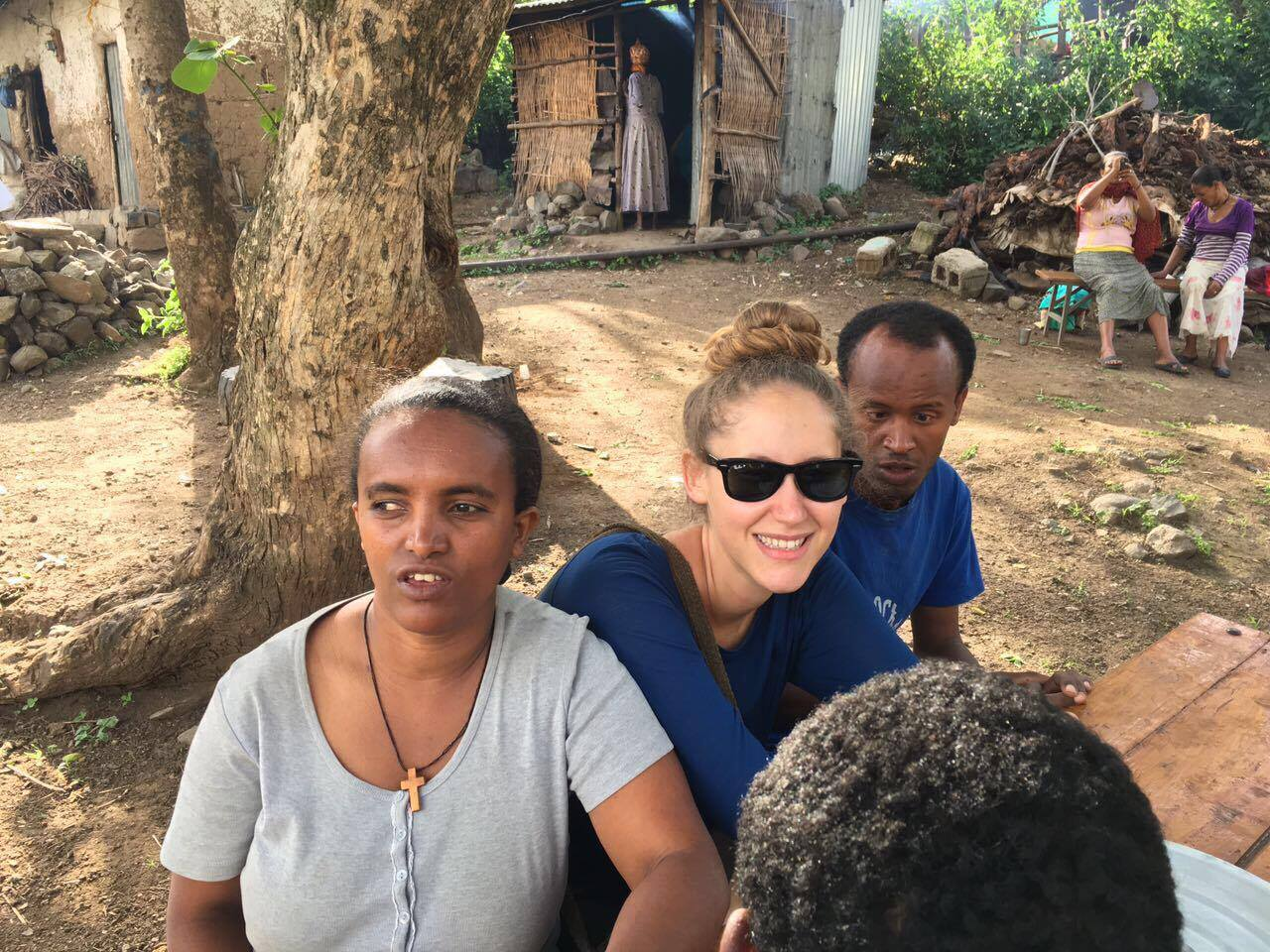
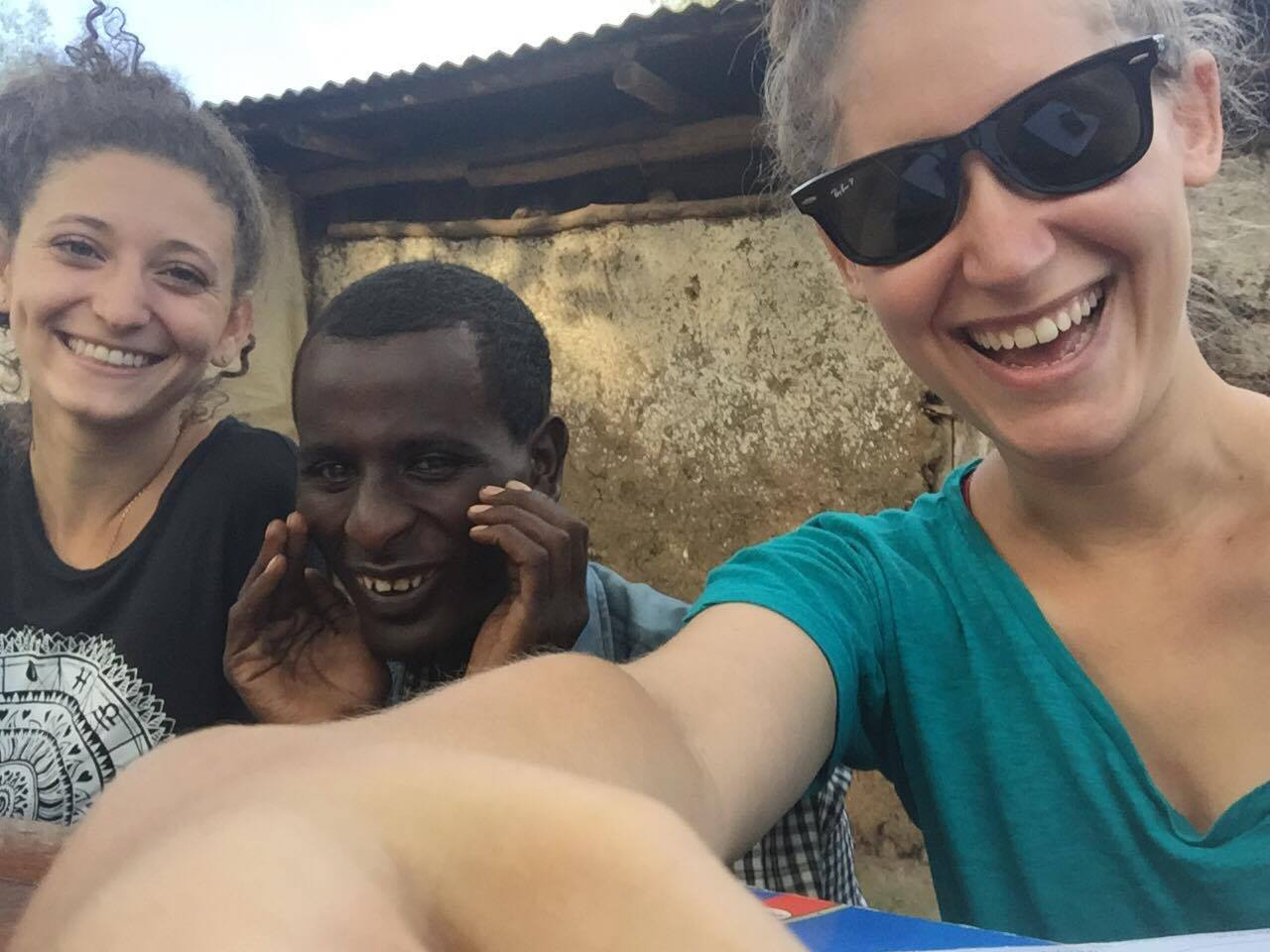
I came to the project as part of my 'post-military trip'. It was clear to me that I wanted to travel in Africa and that I would want to combine that with some volunteering. When I heard about the project, I knew it was exactly what I wanted. Living in Ethiopia is not easy at all; the country is quite underdeveloped even compared to other countries in Africa, and the people there love Israelis very, very much, though you encounter quite a bit of hassle during everyday life on the street — which you also slowly learn how to answer those people in Amharic — but there's no doubt that the volunteering itself is more than fulfilling. The professional coordinators in the project also try very hard to be as professional as possible and provide any required assistance. I think it's very nice to volunteer in a place where there are other Israeli youths; you can also meet more people and continue traveling with them afterwards across the continent (it totally happens all the time), and it's just nice to be with people who share a similar mindset, military experiences, youth movement experiences, and more and more... After all, Israel is very small compared to massive Ethiopia! The trips you take during the volunteering are insanely fun; project members organize them for themselves and basically travel wherever they want within the timeframe of the open weekend. Ethiopia is huge, so you also have to decide how to travel — by road trips or by spending a bit of money on domestic flights. The trips add another significant layer to the whole experience.