



Ethiopia - The Queen of Sheba is waiting for your visit!
The Queen of Sheba is waiting for your visit!
- Independent / backpacking
Alon and Renana here! We traveled for about six months from Ethiopia along a southward route all the way to South Africa, passing through Kenya, Uganda, Tanzania, Malawi, Rwanda, Zambia, and South Africa. The trip was our honeymoon, where we combined mountain climbing—including Mount Kilimanjaro and Mount Kenya—safaris in many reserves across Tanzania and Zambia, and community and tribal life in Ethiopia and South Africa.
The Queen of Sheba awaits your visit!
Ethiopia for Travelers
So before starting, here are a few tips for travelers in Ethiopia:
In Ethiopia, there is a Chabad house in Addis Ababa. It is recommended to contact them before arriving; they help with many things, look for them on Facebook. You can also join the Israeli travelers in Ethiopia WhatsApp group, where you can ask questions and plan trips with other travelers to cut costs.
Transportation:
Ethiopia is a huge country where roads are not fully paved and public transport is cumbersome and uncomfortable—not for locals, and certainly not for white travelers. When journeys are very long, it is recommended to consider internal flights. Domestic flights with Ethiopian Airlines are very convenient, accessible, and sold at a 50% discount to anyone who flew into the country with this airline, making them economically worthwhile.
For those who choose not to take internal flights, most main cities to and from Addis Ababa have buses called 'Salam Bus' or 'Sky Bus', which are more comfortable buses where every passenger has their own assigned seat, the buses are not packed to capacity(!), and you even get water and a biscuit. Usually, it's best to book a seat on these buses in advance; sometimes one day ahead isn't enough, and sometimes you can buy tickets on the morning of departure—depending on demand. These buses are more expensive, but especially for 10-12 hour rides—highly, highly recommended. I would recommend taking them even for shorter trips due to the discomfort, crowding, and unknown neighbors on regular public transport, but that's up to you. Sky Bus is slightly cheaper than Salam Bus for no obvious reason; both are equally recommended.
On journeys where you have no choice and must take regular public transport.... a bus ride will cost less money, but will usually be slower and slightly less crowded. Buses depart early in the morning (5:30-6:00) and only at those hours. Afterwards, you can take a 'minibus', a kind of van, packed to maximum capacity, pricier, and more cramped. On public transport, children, chickens, goats, and anything that isn't an adult human aren't counted toward the seating capacity, and every centimeter is an opportunity to push in another seat, meaning: more money. (Those who want to read more about public transport can read the article 'The Magic Matatu')
Assume that if Ethiopians see a white person, they will try to charge as much money as possible. Therefore, they will charge you more money for every ride. My recommendation—pay last, check how much the locals pay, and only then pay the same amount.
Another thing they try to play with to get more money out of you is bags. In Ethiopia, bags are tied onto the roofs of buses and minibuses. We ran into quite a few instances where they asked us for money just because we had big backpacks. There is no reason for this; nobody pays for bags. What we did was load the bags onto the roof ourselves, so they really had no reason to charge us (they still asked, don't think they didn't!). We never paid for bags on any trip.
Customs to know:
Ethiopians say 'yes' in a strange way—a kind of head nod combined with a sharp inhalation of air. It's a bit hard to describe, but if you ask them a yes-or-no question and they inhale air sharply in a way that makes you think 'what happened?!', understand that it's just their way of saying yes.
Their time system is different from the rest of the world. For them, sunrise is at 6:00 AM (our time) and sunset is at 18:00 PM. Therefore, for them 6:00 is zero hour and counting starts from there: for example, 10:00 our time is 4:00 their time. So always, always, always ask 'my time or your time?' and double-check: if you set a meeting for 13:00 our time, say 1:00 our time, 7:00 your time. Double-check this several times, because we had a few mix-ups due to time misunderstandings. Their calendar is also different; it has 13 months in a year and is about 8 years behind the rest of the world.
Hardly anyone speaks English there. Now it's entering their awareness more, so young people especially know a little English—most don't master the language at all and communicate mostly in Amharic.
Ethiopia is a very undeveloped country, even compared to other African nations, but it boasts a rich culture. They have 'Injera', which they eat every day, all day, everywhere. They have various sauces they put on it, and to them, it's the most delicious food in the world. They have their own songs (played at maximum volume on buses) and their unique dance style.
You probably won't find a supermarket in Ethiopia, but it's worth finding out which day the local market takes place, where you can stock up on everything—food, vegetables, livestock, housewares, clothes, and shoes. If you missed market day, wait until next week and make do with what's available in the meantime...
We encountered a few robbery incidents. Personally, our phone and camera were stolen, and we met other travelers who had various items stolen: wallets, passports, money, camping stoves—anything within reach. Keep an eye on your belongings and don't leave them unattended. Lock them up.
There are Bajajs in Ethiopia (for some reason, not in Addis). A Bajaj is a small open taxi, like auto-rickshaws in India. They are the cheapest and most accessible.
On every street corner, you can buy 'Juice'—a type of fruit shake made from real fresh fruit. Usually, combinations are avocado and mango / pineapple / papaya. It sounds completely unappetizing, but coming from someone who doesn't like avocado—it's amazing!! Worth trying. Especially if you add a bit of lemon. It's a local delicacy worth trying.
Communication:
There isn't much Wi-Fi in Ethiopia, and calls are expensive. Therefore, it's recommended to buy a local SIM card. There is only one company selling SIM cards—you must bring a passport when buying one. It's important to know that at Chabad house there are SIM cards left by travelers that they give out for free; it's worth asking them before buying one (like any bureaucracy, it's a hassle and best avoided if possible).
At almost every intersection, you can buy a 'phone card'—you buy it based on the amount you want to top up on your SIM card, scratch off the number, and enter it. Used for calls, messages, and internet.
Outlets in Ethiopia are European-style two-round-pin plugs. No adapter is needed, but keep in mind that if your device has a 3-prong plug, you will need an adapter.
Trip Planning:
I will describe the recommended places in Ethiopia according to the route we took; this is only a recommendation and can be changed according to taste and mood.
As I mentioned, Ethiopia is a huge country. Addis Ababa is located roughly in the center, dividing Ethiopia into three main regions in travel terms: 1. 'The North' 2. 'The South' 3. Addis and surroundings.
We landed in Addis, did the 'Northern Circuit', returned to the Addis area, and from there headed south.
The North: A mountainous region, full of green vegetation, lakes, and water.
Bahir Dar:
After an 11-hour drive through a beautiful route (or a flight), you reach Bahir Dar. A lovely city on Lake Tana and the Blue Nile Falls. In Bahir Dar, there are 3 main attractions:
Island tour: On the lake shore, you can take a boat and tour between the islands in the lake. On the islands, you will mostly find churches. There is an organized boat that departs once or twice a day; it's recommended to book the day before to join a group rather than go alone (cheaper that way). They will tell you that you might see hippos. We didn't see any...
Bike tour: You can rent bicycles and ride around the lake, explore the area, and go wherever you like independently. Payment is hourly.
Waterfall tour: Trip to the Blue Nile Falls. You can get there by shuttle via an agency / hotel for about 300 Birr per person (60 ILS) or take a local bus for 15 Birr per person (3 ILS). The drive is on a paved road. When you arrive at the last bus stop / drop-off point, the loop to the falls begins—you can walk on the right side, cross a bridge, reach the falls, and return via the other path where you cross a small lake by boat for 10 Birr (2 ILS). You can also go back and forth via the same route. The path without the boat ride is more colorful, passing through villages with beautiful views along the way. Entrance costs 50 Birr per person, but presenting a student ID drops it to 20 Birr.
Photo: Sharon Karaso
Places worth visiting in Bahir Dar:
Kuriftu Spa: An insanely cool hotel; we didn't stay there, of course, but went to pamper ourselves with a serious massage. They also have a pool, restaurant, great showers, and other treats. The massage is very good and cheap! Recommended.
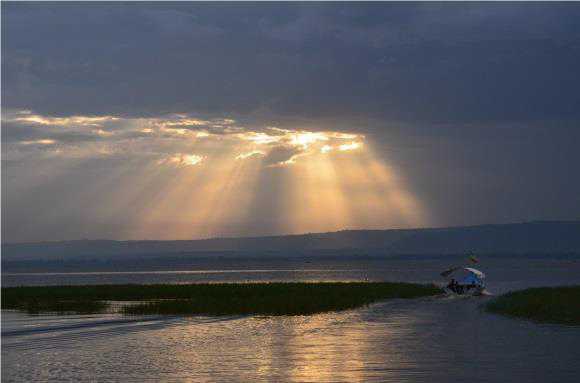
Lake Shore Resort: A fantastic hotel right on the lake shore. We only ate at the restaurant there; recommended to visit at sunset—it's romantic, magical, and gorgeous.
From Bahir Dar, we took a bus ride of about 3 hours to Gondar.
Gondar:
Many hear about Gondar even before the trip due to the local Jewish community. It's recommended to visit them, see the Shabbat prayer, and witness their love for Israel.
In Gondar, there is an area with castles that tell the story of all the kings who ruled Ethiopia. (Ethiopia prides itself on being the only country never colonized). It's like a museum.
Photo: Daniel Sabah
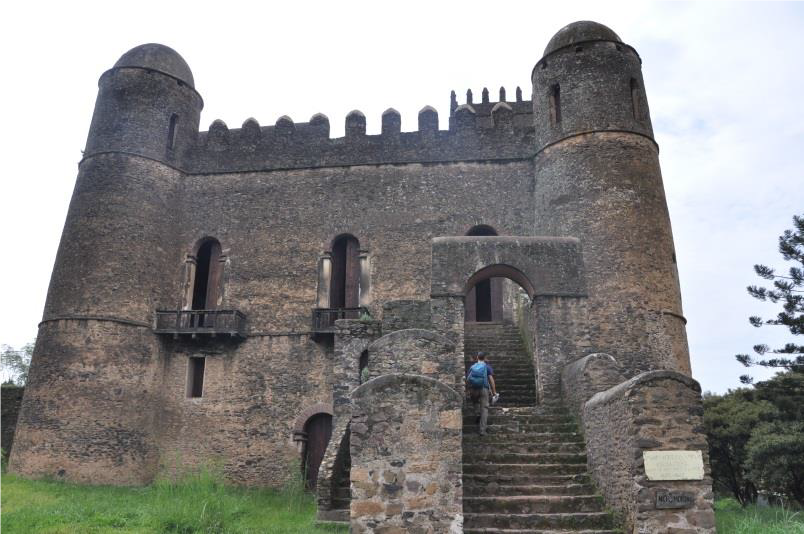
From Gondar, we set out on a trek in the Simien Mountains. We didn't go through an agency, although some do to save a bit of hassle, but pay more.
The Simien Mountains are the only place in the world where you can see Gelada baboons!
Photo: Daniel Sabah
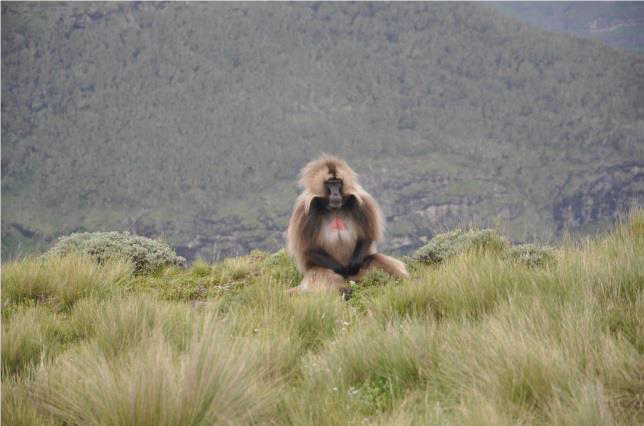
From Gondar, we traveled to Debark, where the Simien park offices are located. There you hire a 'scout' (an armed escort, mandatory), who can also act as a guide. The trek depends on what you choose to do. We chose four days, and because we traveled during a relatively cold season, we slept in huts along the way (watch out for bedbugs! bring sleeping bags). In warmer seasons, you can camp with a tent or rent one from them.
The scenery is stunning, and the trek isn't easy, but not overly hard either. You can hire a donkey to carry gear (we didn't and managed fine). We bought food and gear supplies in Gondar, as there isn't really anywhere to buy things afterwards.
Photo: Daniel Sabah
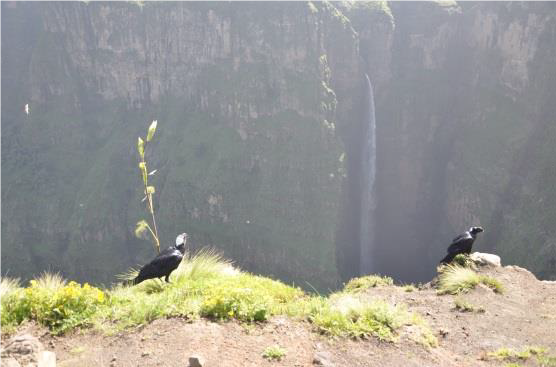
At the end of the trek, you return to Debark and continue east to Mekelle. We were advised to stop on the way in Axum to see the Queen of Sheba's palace and rock-hewn churches, but decided to skip and head straight to Mekelle.
Mekelle
Mekelle is a young student city with not much to do other than heading out to the magical and unique Danakil Desert.
You can only visit the Danakil Desert through an agency: either with Abbeba (ABBABA), who speaks Hebrew and runs a well-oiled machine (operating even in off-season!), or with Negasi, who worked for her, left, and started his own company. The trip is not cheap at all, but they offer good rates for Israelis, and it's worth every penny!.
They take care of everything—drinks (mineral water and juice on some days), food, 4x4 Jeep (with AC!), etc. You just need to show up. (Recommended to bring a few changes of clothes).
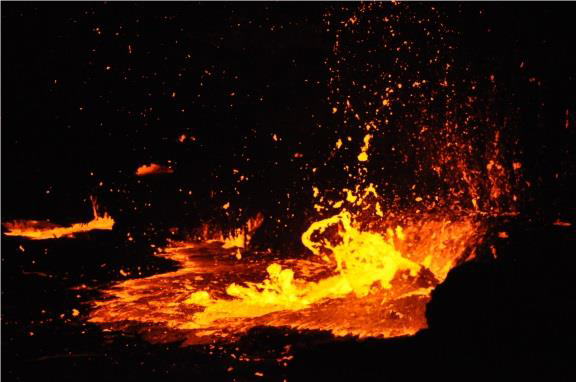
Danakil is considered the hottest place on Earth (or so some claim), and even if it's not #1—it is extremely hot there. The main attraction is climbing an active volcano. Nowhere else in the world can you stand on the rim of an active volcano and watch bubbling lava inside without any fence or barrier between you and the crater. It's a truly unique experience and well worth the money.
Photo: Roee Shaked
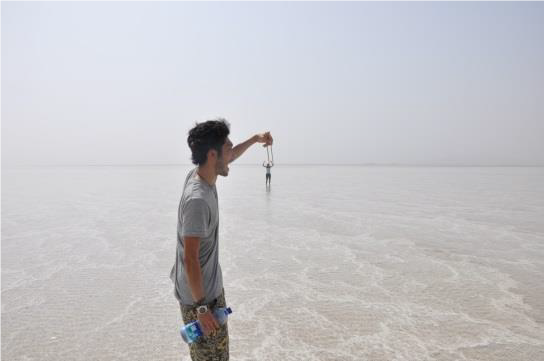
From there, you continue to a salt desert, salt lake, and 'colorful lakes' created by minerals emerging from the ground. On the way, you also pass local villages and meet the people living there.
Photo: Roee Shaked
And if you're lucky, you might spot a camel caravan carrying salt blocks.
Photo: Sharon Karaso
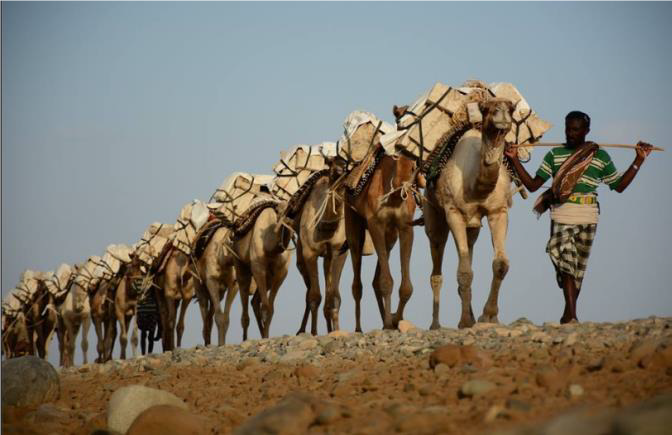
At the end of those four days, we returned to Mekelle and continued to Lalibela.
Lalibela
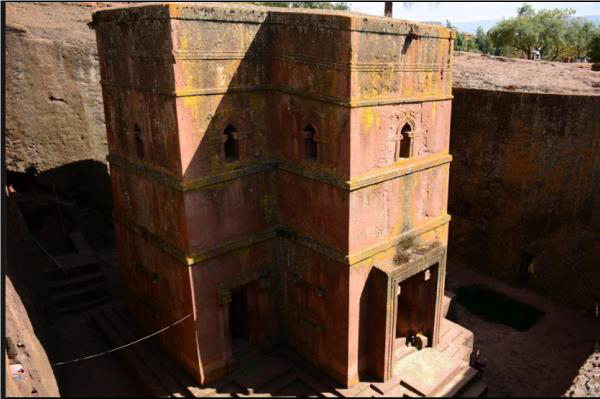
Legend has it that many years ago a king ruled Ethiopia, and it was revealed to him in a dream that one day a brother named Lalibela would be born and inherit his throne. When the boy grew into a youth, the king tried to poison him but failed, while Lalibela fled for his life and angels took him to Jerusalem. In Jerusalem, Jesus appeared to him and told him to return to his city and turn it into a city of churches. Lalibela returned and set to work. The legend continues that people labored hard every day, carving churches from the stone, but because they wanted to move fast, angels assisted them by day and worked alone tirelessly all night. The result is truly impressive—12 churches carved out of solid red rock. It's an extraordinary sight.
Lalibela is called the 'Jerusalem of Ethiopia'—it has various churches named after churches in Jerusalem, and even an Olives Church named after the Mount of Olives in Jerusalem. They believe the view overlooking it resembles the view from Jerusalem.
Lalibela is a very charming, small, picturesque town built on hills, with churches carved into the hilltop rock. The churches are unique, featuring a complex network of underground passages.
Entrance to the churches costs $50 per person (!!!) and is valid for four days, so tickets can be passed along from people who finished (there's nothing to do there for more than 1-2 days max). When you arrive, many guides approach tourists. We decided to read online about the churches and followed a group of elderly tourists who warmly welcomed us into their group for free. It's recommended to bring a flashlight for the underground passages.
Photo: Sharon Karaso
Besides the churches, from Lalibela you can do the 'Abuna Yosef' trek—a beautiful, green trek between local villages where you stay with locals. You arrange the details with a local guide in Lalibela (recommendations can be found at guesthouses / Lametayel / the Ethiopia WhatsApp travelers group), set the number of days, places, and price—and set off. It's best to prepare gear, sleeping bags, food, etc. in Lalibela.
For those who don't want a long trip but want a nice nearby view, you can hike up to 'Asheten Maryam'—a monastery located high up on the mountain. You don't need to enter inside to enjoy the stunning scenery along the way and absorb the peace of the location. (If you do want to enter, it costs 10 Birr).
From Lalibela, we traveled back to Addis.
Addis Ababa:
Addis is a massive city, home to nearly four million people. It is crowded, poor, and not very inviting. In Addis itself, there isn't much to do and staying long isn't recommended.
I'll mention a few highlights here, though there are others.
The largest market in Africa – 'Merkato', where you can find EVERYTHING. Watch your belongings!
Entoto – A nice viewpoint over the whole Addis area, with a small spring and waterfall.
Shiro Meda – A small and relatively pricey market for souvenirs.
Lucy Museum – Legend says the museum houses the oldest human skull ever discovered.
2 Jewish communities – One waiting to immigrate to Israel and one living there, mostly made up of Israeli embassy staff but also locals. There is a small, nice synagogue.
Piazza area – The city center. There isn't much to see, but it's a main area where most tourists and backpackers gather.
Highly recommended for anyone in Addis to drop by the Chabad house to see Rabbi Eliyahu and Rebbetzin Devorah Haviv. Very welcoming and hospitable. They can help you get oriented. Additionally, they have a traveler binder full of recommendations and places worth visiting. Worth a look.
So in Addis itself we didn't want to stay long, but we wanted to stay nearby. What is there to do around Addis?
Debre Zeit
We met up with a group of Israeli backpackers, all wanting to stay near Addis for a day. We debated what to do and eventually took a chance and went to Debre Zeit. It's a charming, quiet town with seven (!!) lakes. We walked around a bit and ended up at a luxury hotel named 'Kuriftu', where they offered us an 'all-inclusive' day package—unlimited buffet lunch + drinks + kayaking on the lake. Being Israelis, after lunch we sat in a lovely spot by the lake with a gorgeous view at the hotel, played music on their speakers (with permission, of course), and got the whole staff joining in folk dances. We paid a bit extra, and they brought out shisha, beer, and fruit. Later we went kayaking on the lake, which was great fun. By the time we finished, dinner was being prepared, so they treated us to fresh smoothies and bread with toppings. We ate, rested, and went upstairs. We discovered the hotel had a pool and showers, jumped in the pool, and then enjoyed a hot, luxurious shower. It was definitely a great success! Worth going with a large group. Bring swimsuits!
Ambo - Wonchi
Ambo is the town from which you can reach the Wonchi nature reserve. Unfortunately, we didn't get to go there, but from what we heard and were told, it's a gorgeous nature reserve worth visiting. We'll go there on the next trip...
Harar
Unfortunately, we didn't get to visit Harar either, but according to stories from people who went, the biggest attraction there is feeding hyenas. Supposed to be an interesting and nice spot.
From Addis, we started heading south, and our first stop was Shashemene (or Shashemane, nobody agrees on the exact pronunciation).
Shashemene
There are Sky Bus and Salam Bus to Shashemene! Highly recommended to use them...
Shashemene is a town where most people are Rastafarians. Particularly prominent is Ras La Momba, a Sudanese man who lived in Israel and really likes Israelis (and himself...). He owns an estate where he, his family (including one of his four wives and her child), and all his workers live. It's quite an experience to visit him. Keep in mind there's a great vibe... You can call him beforehand, tell him you're coming, and he'll send a Bajaj driver to pick you up from the main bus station. At Ras's place, it's worth staying a day just to witness the phenomenon. You can also stay overnight; room prices are slightly high, but include generous meals (he serves shakshuka, tahini, and canned meat!), with refills and extra helpings as much as you want.
In the morning, Ras offers various trips in the area. We went with him and a few staff members to Wendo Genet – stunning hot springs! A wonderful place with genuinely hot water. You can shower there or just swim. Recommended to bring clothes for swimming, a towel, and a change of clothes. From there, you can continue to a hippo viewpoint. We didn't go. Worth checking if hippos are actually seen there...
There is also a Rastafarian museum in Shashemene detailing who they are and what they stand for. Interesting. Some mistakenly claim Bob Marley was born there; maybe it's just to attract tourists, or maybe he really lived there for a while.
From Shashemene, we continued to Hawassa.
Hawassa
Hawassa is a small town located on a lake. Very pretty and picturesque; by the way, Salam Bus and Sky Bus reach here too. There isn't much to do except stroll along the lake and observe various birds like Marabou storks and pelicans resting on trees. It's a pleasant place, worth spending time for relaxation. There is a fresh fish market straight from the lake, and boat trips are available (very expensive). We saw people swimming in the lake. We didn't swim due to fear of bilharzia.
We stayed in Hawassa at a guesthouse called 'Circle of Life', and our camera was stolen from inside a locked room. Afterwards, we heard about other travelers who had phones, wallets, watches, etc. stolen there. Highly, highly recommend avoiding it and staying away!!!
Right on the lake (a bit past Circle of Life), there's a sweet fish restaurant with a nice boy waiting tables and helping out. Worth dropping by if you're hungry.
Photo: Alon and Renana Eichenwald
From Hawassa, we continued to Dodola, where we set off on a trek in the Bale Mountains.
Bale Mountains
When you arrive in Dodola, you arrange the trek with a local guide; it's recommended to do part of the trek on horseback—it's very pleasant and not very expensive. Here too, there are various options for the number of trek days (2-7) and many routes. We chose 2 days due to time constraints, ascending on horseback the first day and walking back down on the second day (mostly downhill...). I would actually recommend doing 3 days for a circular route instead of out-and-back.
The trek itself is simply stunning!!! You pass through various villages along the way, and the views are amazing! The hosts on the first night were wonderful—they built us a bonfire to keep warm, invited us to sit with them, lit lanterns, and chatted with us into the night.
When we descended the mountain back to Dodola, we walked through the market, which was colorful and charming. Our guide accompanied us, which helped a lot because it's large and easy to get lost...
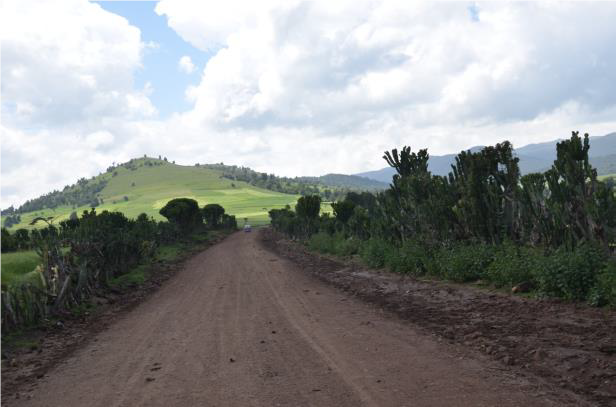
Photo: Alon and Renana Eichenwald
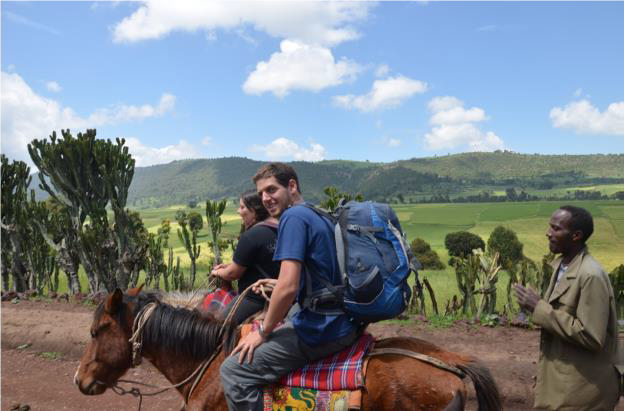
From Dodola, we returned to Shashemene and continued south to Arba Minch.
Arba Minch
We didn't find many things to do in Arba Minch; you can hike to waterfalls from there, but we decided to skip (3 hours walk each way). We hired a guide to take us to the tribes (cheaper to arrange from here than from Addis, saving the costly transport from Addis to Arba Minch). Arba Minch is a relatively large city and accommodation is expensive; it's a good place to do grocery shopping and online tasks if needed (we applied for our Kenya visa there) before continuing to Dorze.
Dorze
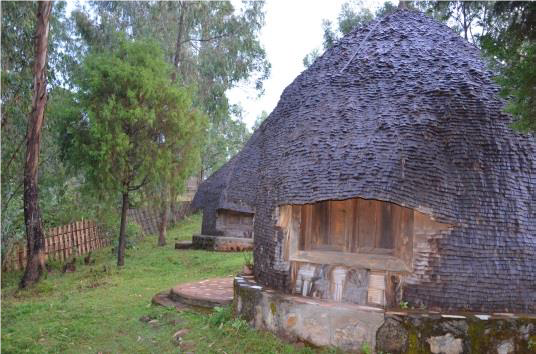
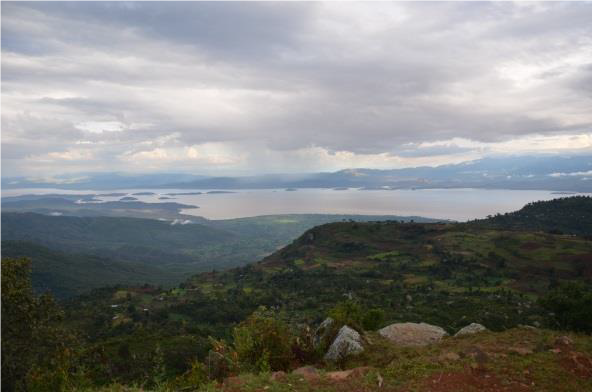
In Dorze, there is nothing, and I mean nothing—no electricity, barely any water, and no options to buy goods. We stayed at 'Tsehai Lodge', which is magical and gorgeous with breathtaking views, but has no amenities. They have a generator operating until 10 PM, after which it's pitch dark—come prepared. One of the guesthouse staff can take you on a tour of Dorze village itself, where you can see authentic village life; locals earn a living mainly weaving scarves and farming. Very interesting and beautiful. If you're looking for a few quiet days with stunning views—this is the place!
Photo: Alon and Renana Eichenwald
We arranged for our driver to pick us up directly from Dorze and head south into the Omo Valley—to the tribes.
Omo Valley – The Tribes
Keep in mind that traveling to the tribes is relatively expensive, with two options: 1. Pay for everything upfront (all local guides, lodging, food, etc.) 2. Pay only for driver and fuel, then pay separately for everything else (each guide, each entry fee, etc.). We chose option 1 because after a month and a half in Ethiopia, we wanted a pre-paid Jeep trip without reaching for our wallets at every step. A matter of preference. Try to find people to share a 4x4 Jeep with to split costs.
The guide picked us up from Dorze, and we started driving south to the Omo Valley. Many say these aren't real tribes anymore, calling it a 'human safari' or staged. Personally, I found it fascinating to see their way of life, even if not 100% authentic. To see untouched tribes, you would have to trek alone deep into the jungle without a guide. Anyone living near a town or accessible area has naturally been exposed to the modern world. For me, it was still one of the most powerful experiences in Ethiopia, giving me much food for thought.
On the way, you can stop at Sof Omar, a cave where you can swim with bats inside. We skipped it because it was a huge detour, but heard it's a neat experience.
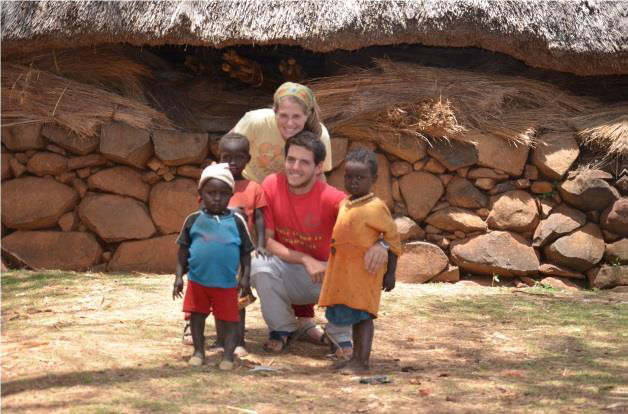
The first tribe we visited was the Konso tribe – a local guide showed us village life, sleeping quarters, unique customs, and even let us try lifting the heavy stone that marks a boy's transition to adulthood and eligibility to marry! (Alon is mature enough to marry!). We walked among locals, listened to stories, and enjoyed learning about them.
Photo: Alon and Renana Eichenwald
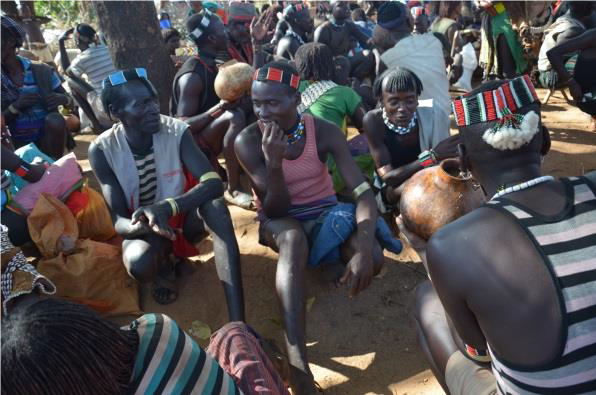
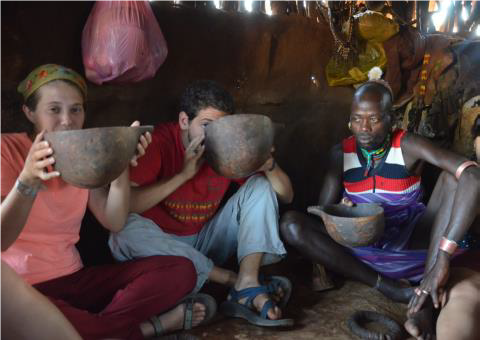
From the Konso tribe, we continued to a weekly market attended by the Hamer and Banna tribes. People offered various crafts and even local 'beer' directly from the vessel where it's made, whose taste can best be described as 'what is this?'. It tastes nothing like regular beer. We received various indecent proposals (especially the women), but it was an interesting experience overall.
Photo: Alon and Renana Eichenwald
Undoubtedly, the Hamer tribe—where women have red-tinted hair and tribal members are decorated in vibrant colors—is the most welcoming and hospitable tribe of all. We arrived toward evening and stayed overnight with them. At night, we talked with our host family (via interpreter); they told us about their lifestyle, the unique 'bull jumping' ritual (jumping naked over bulls to mark manhood, while female relatives are whipped), women's status, marriage traditions, and village life. Fascinating. They wanted to honor us so much that they offered to slaughter a sheep for dinner. We politely declined.
At night, we decided to sleep outside the hut rather than inside (inside, many people sleep together and keep a fire burning all night because lighting it takes long). They spread choice cow hides for us (the finest ones being the smelliest) as mattresses, and we went to sleep. The night was memorable, filled with clucking chickens and bleating sheep. There are no bathrooms—you find a bush—and in the morning, they brought water drawn from a well so we could wash our faces. In the morning, we sat inside our host family's hut—which transformed from bedroom to kitchen and living room—and they served us coffee (hot water with coffee leaves). The family patriarch has a reserved spot, while everyone else fits in where they can.
Photo: Alon and Renana Eichenwald
The last tribe we visited was the Mursi tribe, which attracts the most tourists due to the lip plates women wear in their lower lips and earlobes, as well as body paint patterns. The drive there is long and rough; baboons can be seen along the way. They are arguably the most commercialized and least friendly tribe toward white tourists, demanding money for every single photo. Still, I recommend visiting just to witness this unique culture of people living in extreme poverty. A local guide took us on a tour, showed us their living huts, and explained their customs, livelihood, and village structure.
Photo: Alon and Renana Eichenwald
In short, Ethiopia is a stunning country! The north is green and mountainous, the south wild and pristine. Travels are not
easy. Enjoy, make the most of every moment, respect their wonderful traditions, and return safely!