



Volunteering in Uganda
- Volunteering
Before the Trip
When we decided to go on a six-month backpacking trip to Africa, the idea of combining volunteering as part of the trip immediately came up. There is something about Africa that creates a feeling that if you are already there and coming to discover this wonderful continent, you might as well give a little back along the way. That is how our idea developed, gradually shaping into a plan to start the trip and "soften" the culture shock of Africa through volunteering. Luckily, even before leaving home, we received advice from someone who had lived in Africa for many years, who told us not to start with volunteering, but simply to go travel and, while traveling, find a place that suits us and where we want to stay. In hindsight, this advice was very significant for us, and that is indeed what we did.
Looking for a place to volunteer
We started our trip in green and special Uganda, keeping an open mind from the very beginning to try and stumble upon some volunteering opportunity along the way. After 3 weeks into the trip, we arrived at Lake Bunyonyi, which had been marked in our minds even before arriving as a place where it might be nice to stay a bit longer. When we reached the lake, we immediately fell in love with it and started looking for places to volunteer. We searched a bit online, a bit by word of mouth in conversations with locals, and found ourselves deliberating between 4 different options. The differences between the options were in what exactly we were going to do while volunteering, the conditions we would have during the volunteering, the ages of the children we would work with, and more, and we chose according to what best suited what we wanted.
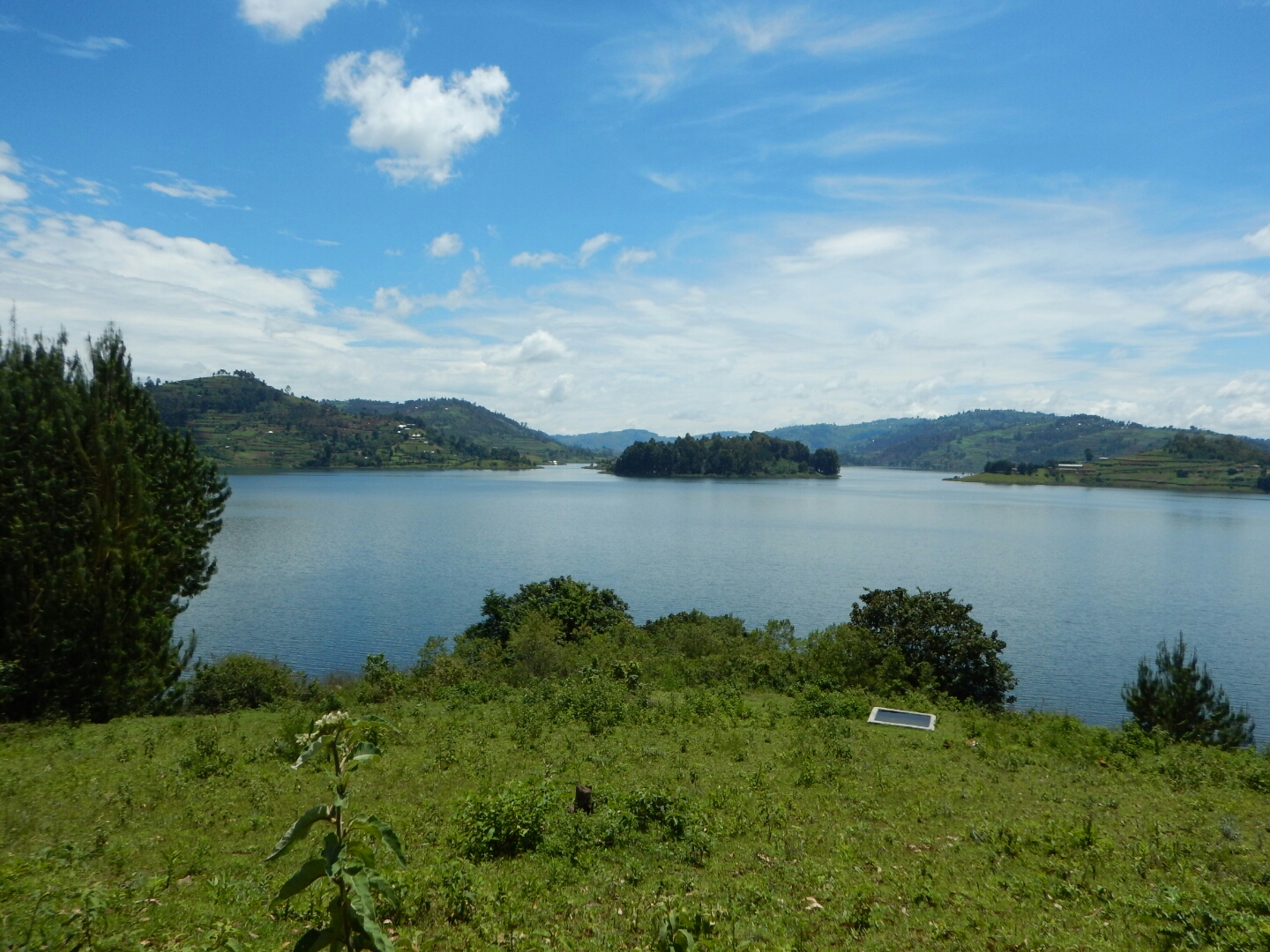
Loving Hearts Helping Hands Pre & Primary School is a school for needy children and orphans founded by a local guy named Diden, together with his Canadian wife Crystal. Diden and Crystal also established "Bunyonyi View Gorilla Packers", a well-kept guesthouse located on the lakeshore, in order to generate an additional source of income and accommodation for volunteers and guests of the school. They advertised that they were looking for volunteers so we reached out to them, and only later did we realize that they didn't exactly mean volunteers of our kind. This is a school that is very busy with fundraising to keep as many orphan children as possible or children whose parents cannot pay for school. The "volunteering" they are used to is when people come to visit the child they "sponsor from afar" and essentially send money for them to study at the school. They arrange a 3-week trip for them, part of which includes a week where they help out at the school. It felt strange to negotiate about the volunteering, because at first we thought we wanted to find a place where we get board and lodging in exchange for volunteering. Since we chose the more "comfortable" option in terms of conditions, it didn't seem so bad to pay, and we agreed with them on 50 thousand shillings, which is about $15, for a room and 3 meals a day for both of us.
Scouting the Area a Bit
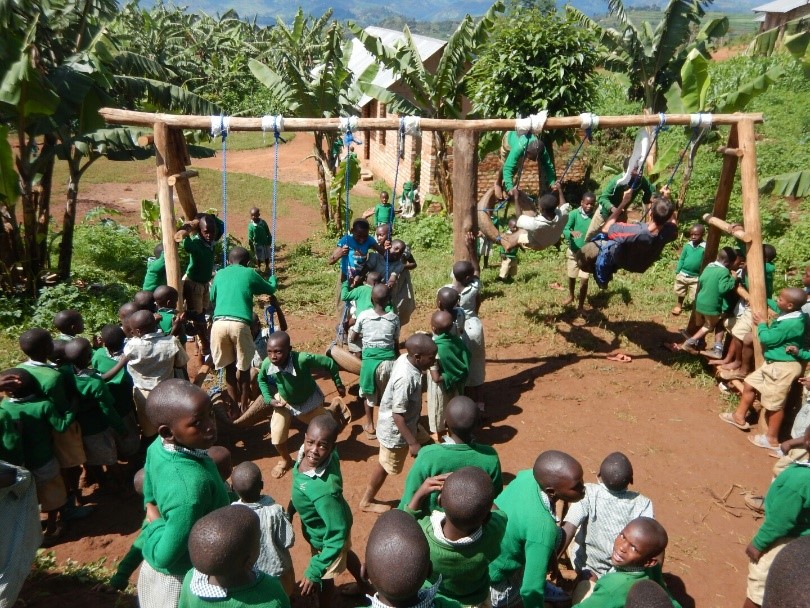
On the first day of volunteering, we walked up to the school. A 20-30 minute climb up a steep slope and slippery paths, which is a Ugandan experience in itself, but at least from the top the view compensates for the tough climb. At the school, we met Sheila, who introduced herself as a "senior teacher". Sheila told us that on the first day we could walk around the classrooms to get an impression, and whenever we wanted, we could also teach. Within two hours, we found ourselves each standing in front of a class, me in math and Hadas in English. On the one hand, it was a bit strange and too early, but on the other hand, it actually felt natural and challenging. However, we felt really redundant because we realized it didn't really help that we were teaching, since when we taught, the teacher who was supposed to teach just sat on the side and watched. On that first day, we also began to notice several organizational problems at the school. The main problem was the timetable – there was only one timetable for the entire school, written in a messy way full of erasures, and hanging in one of the classrooms. Every teacher entered this classroom during every lesson and interrupted the class to find out what he was teaching the next hour. Another problem is that there are no breaks between classes, but only 2 long breaks a day for food, so a teacher only stops teaching when someone enters to replace him, which creates a serious mess. To us, such a mess sounds absurd and so simple to solve, but in Africa they don't really see it as a problem, and that's why it happens. Later that week, we started planning a few projects and things we wanted to do during our volunteering. I planned a swing together with Deden that we would build together, and Hadas planned to help with administration and design a new timetable. Meanwhile, we continued to teach a bit in the classrooms, mainly to get to know the children a little better.
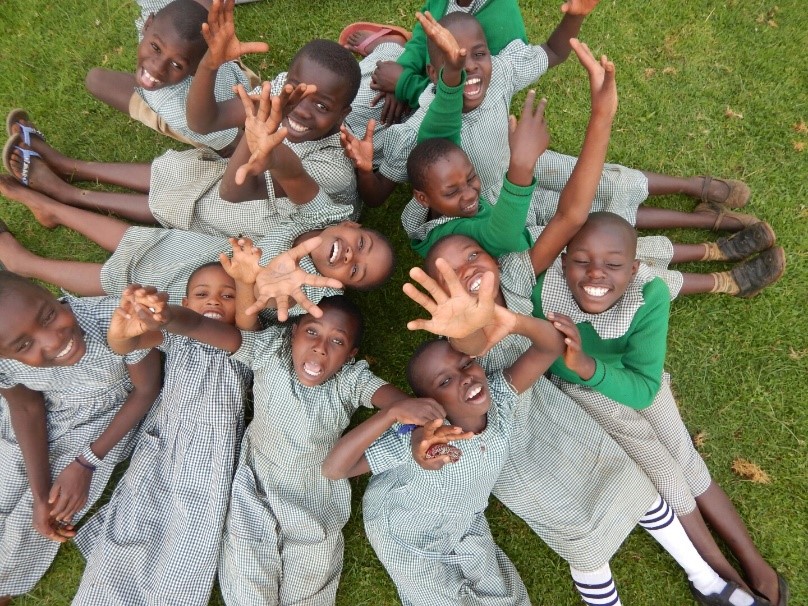
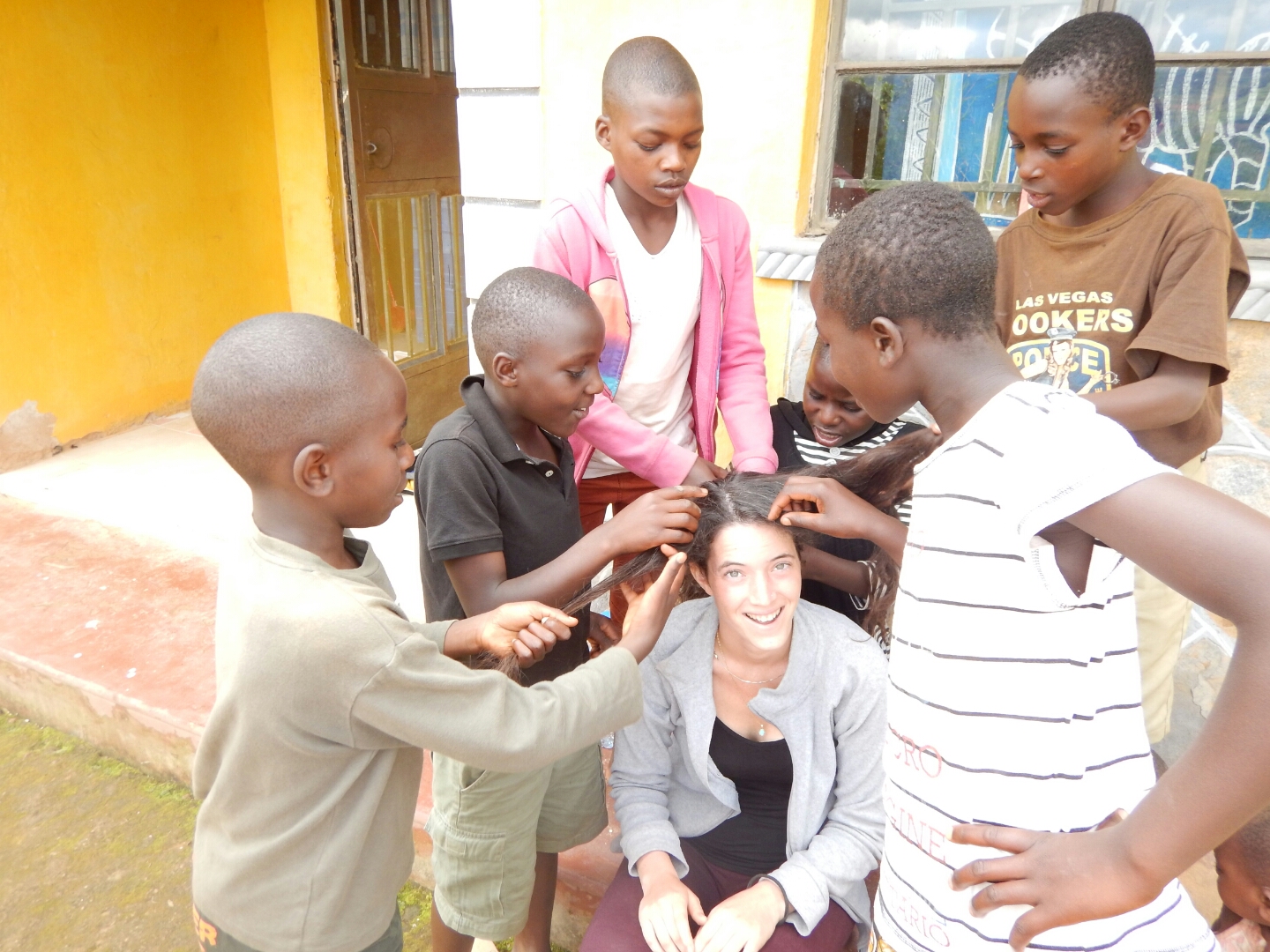
The kids at the school are very special, smart, and above all, smiling 24/7. Dancing is an integral part of their life at school and at home. They have dance lessons in the afternoon and on weekends, and they also dance for visitors who come to get an impression of the school. At first, it looked really strange and a bit embarrassing that they danced like that for people, but when we got to know them and learned how significant a part of their lives it is, we learned to love it along with them. The personal connection with the kids was very meaningful to us. On the surface, at first it was really hard to connect with them on a personal level because they are always together in large groups, look very similar and dress the same, but when we started getting to know them by name and the unique character of each one of them, it made us see the whole thing in a completely different light, and suddenly there is a face and a whole world behind this threatening concept of "a poor child in Africa". These are children full of love from every direction, curious and smart, who live in a much simpler way than us.
Finally Starting to Work
In the second week, we already started making progress on the projects. The seesaw turns from drawings into reality, and Hadas discovers significant flaws in the timetable. From the general school timetable, we extracted how many weekly hours each class has in every subject and discovered all sorts of strange things, as if it was done randomly. This led Deiden, who acts as the school principal, to gather all the teachers after school hours. We showed them on the board, in a table, the weekly hours each class currently has for every subject, and next to it an empty table so we could fill in together how we think it should look. It was quite a significant moment to see that they understood the method and the need, but wouldn't have been able to get there on their own. We continued getting to know the kids, teaching them occasionally, and having them teach us some of their dances and games. On weekends, they also go to dance classes with the dance teacher at the principal's house, and we joined them. It was a very special experience, and the kids are simply amazingly talented!
The routine at the school became nice and interesting for us day by day as soon as we started making progress with the projects. Hadas turned the table we created together with the teachers into an organized timetable with thought and logic behind it. What's more, we also issued an individual weekly timetable for each teacher and a weekly timetable for each class—things that didn't exist before and seemed to the teachers like revolutionary inventions.
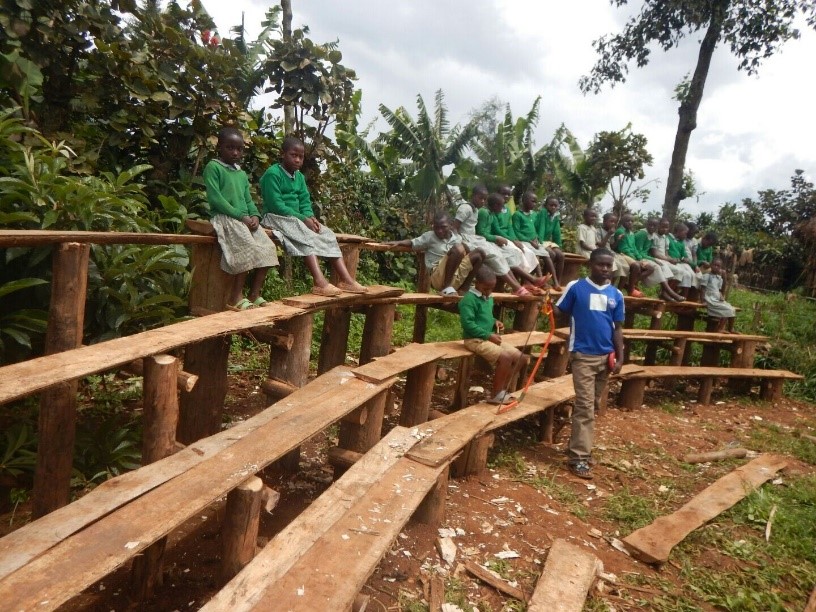
On its inauguration day, the seesaw suffered significant abuse when 5 kids jumped on each tire and stretched its limits as much as possible. After the seesaw project, I moved on to building bleachers. The need arose because there are a lot of kids in the school and the classrooms are small, so there is no single place to seat all the kids in the school, and when someone comes to speak, they simply line them up in rows. All the construction was done together with Avraham, a local 18-year-old boy with golden hands in construction. Moses, the school guard, who knows how to swing a machete pretty well but barely understands or speaks a word of English, also helped us. Occasionally, some of the teachers helped us too, as well as Dor and Lior, two Israelis who were passing through the area as part of a backpacking trip and came to lend a hand.