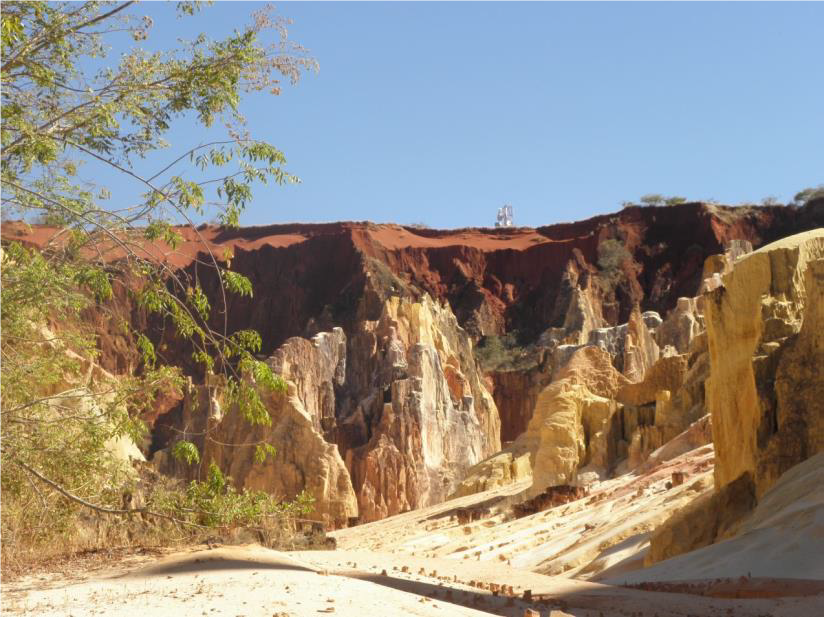





Madagascar
Currency value - 1 dollar = 3200 Ariary (as of July 2016) Language - Malagasy, French. The residents of Madagascar are warm, welcoming people, and despite being very poor, in many cases where I forgot items, they returned to
- Independent / backpacking
Liora Kahana, 27 years old. After completing my degree in Animal Sciences, I decided to fulfill an old dream: Madagascar. I traveled for about six months in Africa in the countries: Uganda, Kenya, South Africa, and of course Madagascar where I stayed for three months.
Currency value - 1 dollar = 3200 Ariary (as of July 2016) Language - Malagasy, French. The locals in Madagascar are warm, welcoming people, and despite being very poor, in many cases where I forgot items, they returned the lost property to me. However, in big cities, one should beware of the "bag tearing" method and taking items out.
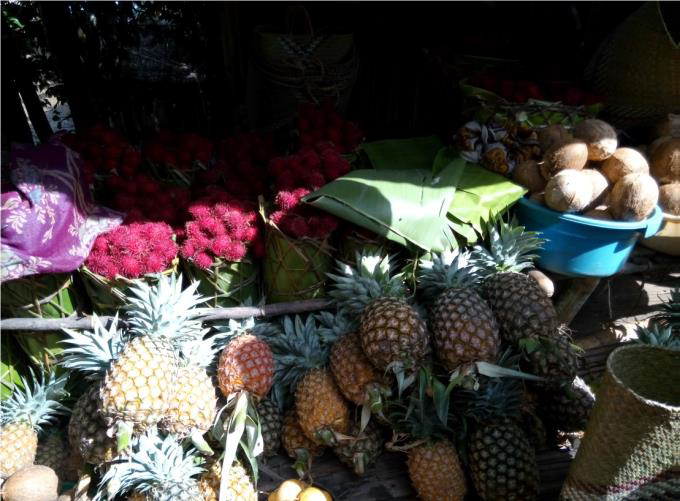
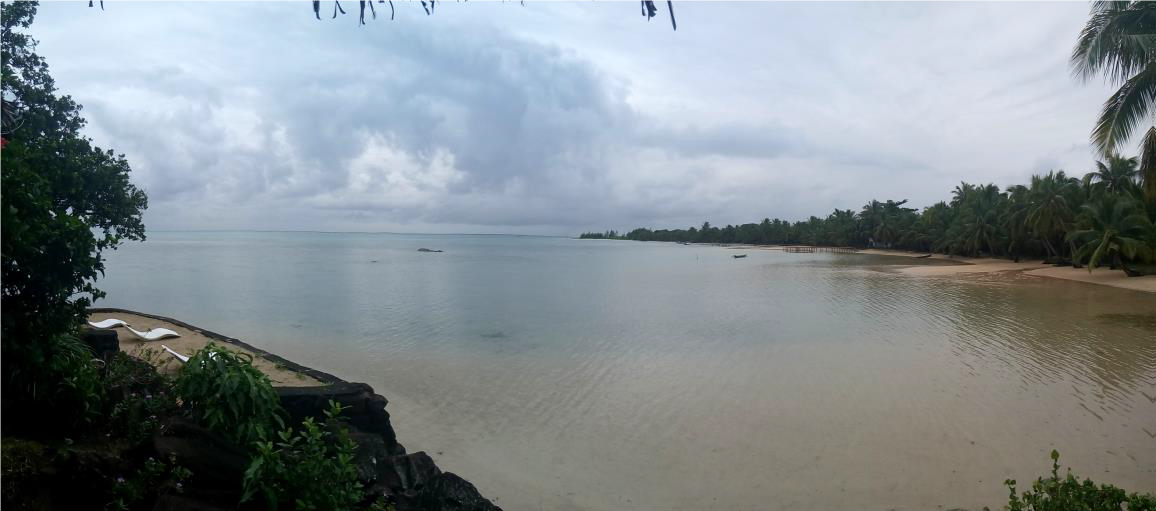
The island offers different types of landscapes: from desert to rainforests, amazing beaches, "deciduous" forests, rice fields, tropical fruits, delicious fish. The island is famous for being home to many endemic animal species, mainly the lemur (from the primate family).
For fish lovers: in coastal areas, it is recommended to buy fish and seafood directly from fishermen when they arrive with the boat, and give it to a local woman to cook for a modest fee – this is very common!
Notes: It is recommended to purchase a local SIM card and buy a data plan. Using a "simless" SIM card in Madagascar incurs a high cost for incoming and outgoing calls from my personal experience, unlike other places in Africa where there was no cost for incoming calls.
In terms of daily expenditure: for backpackers about 15 dollars (food, accommodation, travel). Accommodation: 15-25 thousand per room. Food: "local" 100 to 3,000, "western" 5,000-15,000.
!!You can contribute a little to the local population (mostly in villages) by giving old clothing. In the country, there are many more nature reserves where information can be found in "Lonely Planet"; at the "Underground" hostel (I will expand later), there is a small library with travel guides. Common arrival options- air madagascar – the company offers discounts on domestic flights (the company has a monopoly) if you booked your arrival ticket to the country through them. It is possible to arrive via Kenya, France, South Africa, and a few other small airlines. Turkish airline – arrival from Israel via a connection in Turkey, and from there directly to Madagascar. It is most worthwhile to book a round-trip ticket through them (this ticket costs less than a one-way flight from the island to Israel; I learned this firsthand). Also, there are relatively cheap flights to the airport in nosy be from Italy.
Movement on the island- Most big cities and other tourist areas have airports. Since the roads in Madagascar are winding, long, and arduous, many travelers whose budget allows it get around the island via domestic flights. The flights are expensive as the company has a monopoly on the island. The price range is 140-200 euro (without discount). Preference should be given to booking a flight through an air Madagascar travel office (there is an office in every city), and not through the main website of the company or through other sites. It is advisable to book about a week in advance as prices change daily. I was told that flights on the island cannot be relied upon as they are sometimes canceled/delayed.
Flights on the island do save time, but the main downside is that the traveler misses the island's amazing sights and roadside landscapes. Since journeys from one area to another are several hundred kilometers (the island is huge), landscapes vary. In one trip, you might pass through a green area with surrounding streams and banana, mango, and other crop plantations, and as you continue driving, you pass through a rocky area with low vegetation, followed by a desert landscape. For me, the journeys themselves were experiential and breathtaking, no less than the destination.
Jeep rental with driver (included in price) at an average cost of 50 euro per day. Regarding car rental, you always need to calculate round-trip. On the island, the vehicle must return to its initial rental location. It is highly recommended to rent a jeep and not another vehicle, as the roads on the island are faulty and sometimes unpaved. ***There are nature reserves that cannot be reached without a 4x4 vehicle. !!! Important emphasis, it is recommended to use driver services, as traffic police corruption exists, and the driver is accustomed to it. Additionally, there are places where it is better to have a local by your side for communication with the local population.
"Light off-road motorcycle": rental cost at 40,000 per day (relevant price for diego suarez) up to 50 euro for a heavy motorcycle. [It is important to check the kilometer limitation in the rental contract: the island is huge, so you must take this into account].
Local transport is called "taxi brousse" – hereafter "bus". When traveling long distances, except for the "sprinter" method (where each person has an exclusive seat), the number of seats does not matter, but rather the driver's level of greed. In some of my trips on this transport, I encountered cases of four seats and seven people fitting in a row (sitting on top of each other, standing), three children sitting on their mother with part of their bodies on me, a rooster or another edible bird on the floor. But despite all the discomfort or lack of personal space, I enjoyed the human interaction: the local joy of life (mostly laughing at me as the only white person in the vehicle), attempts at communication sometimes verbal (a few words in French or Malagasy) or physical (lots of hand gestures!!). Public transport is very cheap. Usually, distance has no relation to price. There is heavy dependence on demand for that route/destination. Most distant destinations [10 hours ride or more] have limited travel times: early morning, afternoon, or night trips. It is recommended to check the day before traveling, and even book a seat in advance (preferably by the window and behind the driver, as there is more legroom, and most locals do not like to open the window, while air circulation was critical for me). !Golden rule: when wanting to reach a specific destination, plan arrival the day before because most buses will not leave unless full, so the ride can be delayed up to a few hours' wait at the bus station. I had no problem finding space on public transport, even at the last minute. As an Israeli, I had a "golden rule" regarding public transport prices: immediate 25% discount off list price, and haggle from there. Like any country in Africa, there is a local price and a white person (vaza) price.
Tana-Antananarivo capital city Getting to the capital from the airport: Taxi - 50,000 Ariary. About an hour drive or there is a shuttle for 10,000 to the city center. Backpackers are recommended to stay at the "Underground" hostel (the shuttle drops off right at the entrance). Price is 25,000 per bed. Or there is an option to rent a room including private toilet and shower, bunk bed, and double bed for 60,000. If you are a group of four people, it is worth it. The hostel is located within walking distance from the main Analakely market. A huge market where you can find souvenirs, fruits and vegetables, clothing, decor items, and so on. Also, the hostel is walking distance from a large Shoprite supermarket. A huge plus at the hostel is meeting many travelers from around the world. Personally, I got many tips regarding places and gained partners for some attractions, saving costs. During my city tours, I found hotels charging a starting price of 30,000 per room, very cost-effective if you are a couple. In the capital, it is not recommended to leave the hotel after six in the evening until seven in the morning, and always be equipped with a passport. Local police sometimes perform checks and then ask for baksheesh. Technically, some ask for money for no apparent reason. Personally, I did not encounter any of these phenomena, but my travel partners did.
City buses cost 400 per seat. It is recommended to download the taxibe app: provides information on bus numbers for city destinations, as well as the name of the bus station you need to reach to travel to another city. taxi brousse stations in tana: check before each trip which station goes to your desired destination, due to multiple central stations. You can ask the hostel to book a seat on the bus for you, although this prevents you from haggling over the fare. Taxi price to the central station: 5,000-20,000.
** It is very important to check weather before arriving at a destination. My route changed several times.
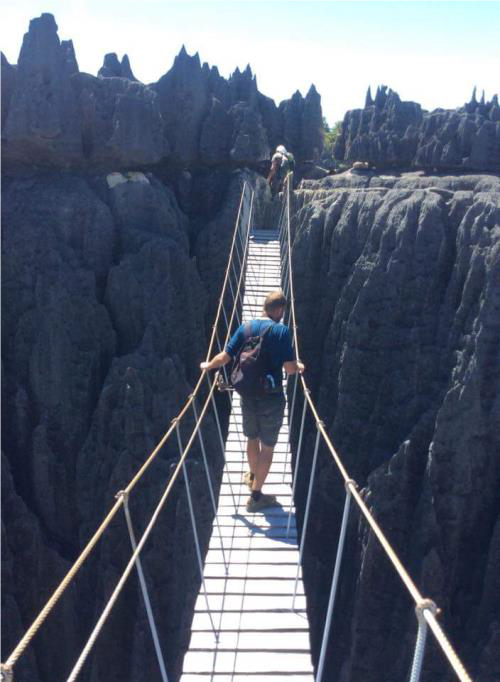
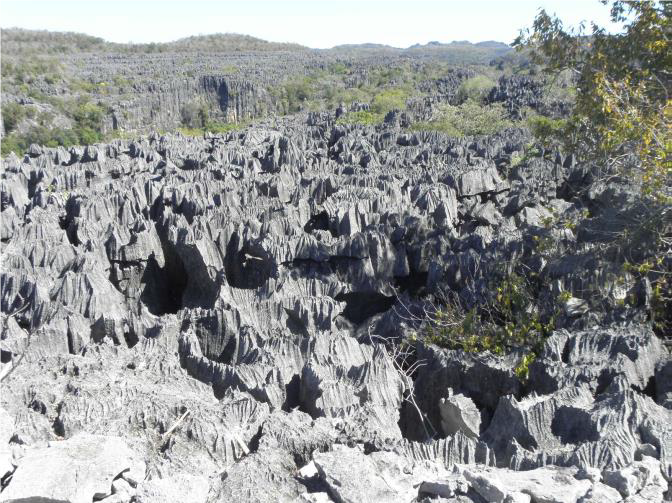
tsingy de Bemaraha nature reserve- Features: limestone pinnacles It is important to note that the reserve cannot be reached during the rainy season (end of December to early April) as access is impossible. I was told in the village that locals are in a sort of "siege" during this season. If you want to organize independently, it is highly recommended to find travelers to split expenses: jeep rental – the only way to reach the reserve, guide, and accommodation. This reserve is divided into small & big tsingy: the small one is located within walking distance from the hotel area (and payment booth), and the big one is located about 20 km from the living area; the route is challenging and long (with climbing ladders). It can be reached by jeep or off-road motorcycle. At the end of the rainy season (April), access to Big Tsingy is sometimes impossible (floods and mud).
Accommodation: there is a place for backpackers with minimal rooms including a double bed, toilet ("squat pit") and shower (bucket) outside the room. Around 20,000. It seems a tent can be set up there. There is a "restaurant" on site. In the park area, there is upscale accommodation: Western rooms, pool, restaurants. Prices around 80,000; with good bargaining skills, you can lower the price. It is important to note that power supply is limited throughout the village area, including hotels. Also, the nearest bank is in morondava, at least a 6-hour drive, and most places do not accept credit cards. It is customary to allocate three days for this reserve: departure from Morondava to the village and back. Reaching Morondava from Tana, the base city from which you can organize the trip independently: 35,000-50,000. Jeep rental: round trip; usually the vehicle does not stay with travelers unless agreed with the driver to go to big tsingy. Costs: vehicle rental including fuel about 600,000. Not included: 2 ferries along the way (the first about 50,000 and the second 20,000, both per vehicle round trip; price varies at clerk's discretion), commission fees to road fixers along the way: 20,000 + 100,000. Park: entry 55,000 per person per day, 120,000 for guide per day.
*There are all-inclusive organized tours: tsiribihina river + tsingy reserve + baobab all'ee around 400 euro.
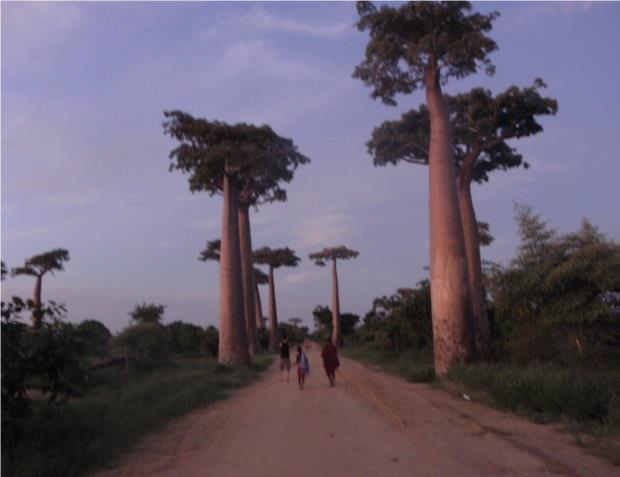
Alle de Baobab reserve: There is an option to rent a toktok (fits about three people in the back) for 60,000 round trip, a 40-minute ride. Entry is free. Recommended to arrive before sunset, breathtaking view!
In morondava city, don't miss going out to the Oasis reggae bar. Great live shows, amazing atmosphere, and varied menu.
Antsirabe city: Big but very quiet city. Safe to walk around at night. Nice market on Saturday. Recommended hostel: Chez Billy. You can meet many travelers there for shared trips. Price: 28,000 double bed, shared toilets and showers. There are family rooms at reasonable prices. At the hostel, there are tour guides who organize trips to attractions in western Madagascar.
Fianarantsoa city: arrival from Tana cost about 15,000, travel time: 10 hours. Major big city. Excellent stopover for Tulear, and starting point for Ranomafana nature reserve, and train ride to Manakara. Train ride: first class 40,000 for your own seat, large window, 20-hour ride. Breathtaking views, trade. Departure to Ambalavao city: 2,500-5,000. Starting point for trek in D’andringitra nature reserve. Departure to Ranomafana reserve: 5,000-9,000.
D’andringitra reserve:
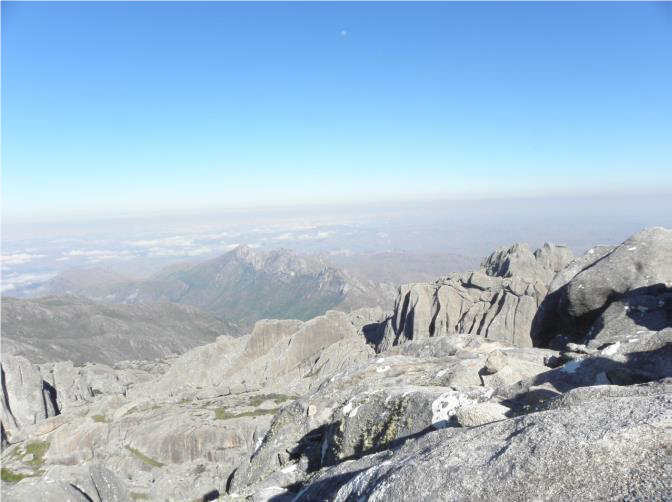
Mountain climbing (reaching pic boby), the area next to the mountain is surrounded by huge rocks and grassy lawns. For me, the main attraction was reaching the summit: tranquility, clouds, and landscape spread out before you. The trek can be organized with B.j's tour company (not sure of exact name, office located near Ambalavao central station). Standard trip is three days. Average price 600,000 for four people, including: arrival to reserve by 4x4 and return by bus. Return is from another area of the reserve. Upon exiting the reserve, there is about a 10 km walk to the bus station [return can be organized by car, but naturally price increases accordingly]. Porter, all other equipment, food, and guide included in price. Price does not include entry ticket (45,000 * 2 days) 90 thousand. Cannot climb mountain before sunrise (as stated in rules), and honestly in my opinion it's a bit dangerous, as parts of the ascent require attention and in darkness it's not ideal. Trip description: Day 1 - about 4 hours walk to first camp or alternatively 5 hours to second camp. Very easy walk. Depends on number of tourists in area. Day 2 - climb to summit, about two hours ascent and same for descent from second camp. Easy walk. Afterwards, about five hours walk to third camp. Endless stairs going down!! Extreme!! (not for weak knees). There are freezing water pools near camp. Day 3 - two hours descent. Also stairs, but less troubling than previous day. Arrival at village. From there, either order a jeep or a 10 km walk to public transport. Other attractions in area: Upon leaving reserve, there is a small forest with ring tail lemur and a few other species. Entry to forest is free, guide not included, and honestly not needed. Though better to inform before entering, easy to lose orientation. There are several other mountains for day hikes, popular one: le cameleon. Also option to descend one mountain using paraglider. In area, there are fancy lodges (including restaurants) and places to pitch tents – just organize food (you can ask tour organizer for someone to bring you food at reserve exit, he has a hostel there).
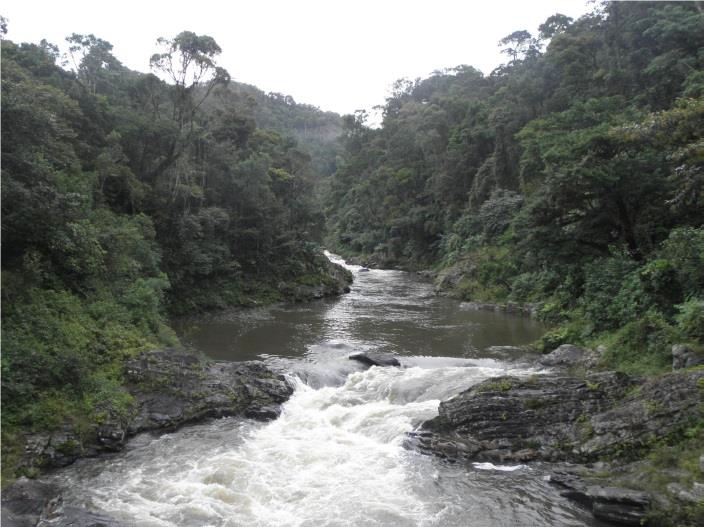
Ranomafana reserve: Rainforest Entry: 55,000, full day guide: (7am-4pm) 120,000. Guide fee decreases according to hours spent in forest. At payment booth, you can arrange minimum hours fee, and if staying longer pay the difference (during heavy rain, animals cannot be seen). Recommended to bring raincoat, wear waterproof hiking shoes (puddles and mud), bring warm clothes in bag. Also during forest stay many leeches attack, so preferred to wear tight long sleeve shirt so they don't wander into unwanted places. Arriving around September is ideal: orchid blooming, minimal rainfall, allowing more animals to be seen. Recommended to do night walk along roadside (with flashlights and rain gear), possible to spot various species of frogs, reptiles, and insects. Free of charge of course. If interested in a "spotter", can arrange with one of the guides. I stayed four days at Rianala Gita hostel for 13,000 dorms/day. Located near reserve entrance. Owner cooks great meals (around 10 thousand per meal). Nearest village is about 7 km away. Highly recommended to walk to village, take time and spot reptiles and insects on roadside. Fancy lodges in area. ** Since nearest bank is in Fianar, recommended to arrive with plenty of cash. Near park, there is Bio Center – research center helping conserve local biodiversity. You can volunteer (paid): helping local community or research assistance. Also possible to do research semester (paid) mostly for biology bachelor degree holders. Very welcoming.
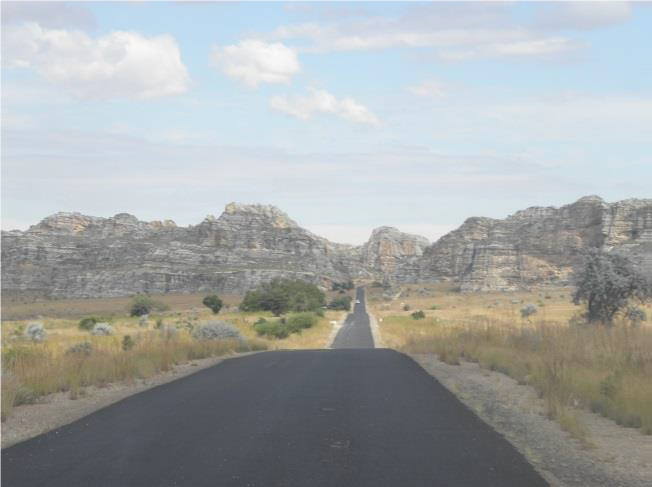
Isalo nature reserve: Park located near ranohira town. Take bus from Fianar. Can tour park without 4x4. Very popular park. (I didn't enter park as I didn't know touring without vehicle was possible). During my ride to tulear, passed park area and views were breathtaking.
Tulear city: "South" city. Located in middle of world's 3rd largest reef. Ride from fianar to tulear: 22,000-30,000 about 10 hours. Starting point for dive sites like anakao, ifaty, andavadoaka. In months July to September, whales can be seen in area.
** Many jeeps come from north (tana, fianar) to tulear, but return without passengers: so you can exploit this situation and pay about 100,000 to tana (with overnight stop: about 20 net driving hours) instead of 55,000 bus fare.
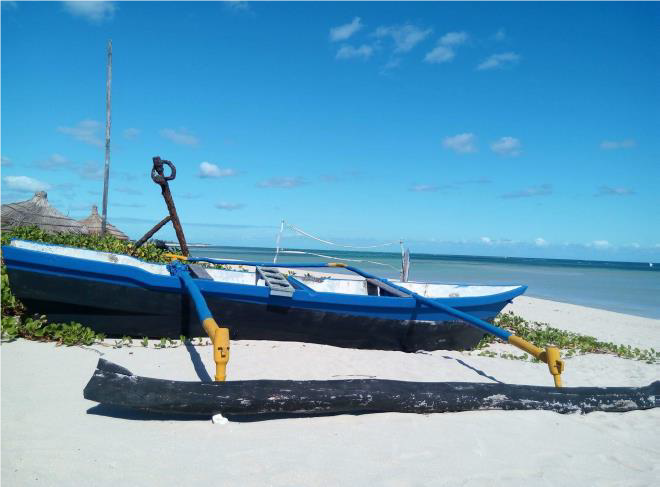
Anakao - arrival by shuttle-boat, 50,000 one way. About 40 minutes. Or by bus about 3.5 hours on rough road. For adventurous among us, option to take pirogue (canoe style) 5,000-10,000, 4-6 hours depending on wind. Nearest bank in Tulear.
Accommodation starts from 30,000 and up, unless entering local living area where you can find for 15,000 – shower + toilet outside. Many dive clubs in area. Option to do day trip to nosy va island 20,000-25,000: snorkeling, diving, sunbathing. Fishing option. Andavadoaka: one of leading and most beautiful dive sites, but reach only by 4x4. Ifaty: dive sites exist, but mostly a town with many old vaza.
Fort dauphin: southernmost city on island. Popular arrival by flight. By public transport "two plus days" from tana. Return about three days: rough track. National parks in area, but main attraction people come for: surfing. Since city is remote, you might be only tourists in area. I was told during rainy season area cannot be reached by land.
Destination Nosy Be: From Tana to Ankify: very common to form a group of travelers and hire a shared taxi. Ride costs about 300,000 - calculated round trip, but same vehicle fits over four travelers so for comfort and cost it pays off (about 16 hours ride). By public transport: Tana to Ambanja 50,000-55,000, from there to Ankify 4,000, and finally Nosy Be 12,000 speed boat; sometimes they charge for bags 15,000 total, nothing you can do - monopoly. 30 minutes. Option to board cargo ship for 5,000, only a few times a day, ride with locals. About 2 hours. Arriving in Hell-Vill: (area on island) For backpackers, whoever is tired from ride and doesn't want to spend fortune on lodging, option to sleep at local "hotel" for 15,000. Toilet and shower inside, but with bucket. Near "Champignon" supermarket. Taxi to Ambatoloka about 10,000, or option to call economic taxi for 2,000 picking up other passengers. In this area, accommodation around 30,000 on beach can be found, or rooms in local area. Rest of "hotels" expensive, starting at 50,000. In this area, many bars, clubs, restaurants - "nightlife". Many tourists, mostly older French people, couples. Attraction: day trip - boat to islands: Nosy Komba & Tanikely - 55,000 food + snorkeling gear. In Komba: 2 species of lemurs, beautiful beach, turtles (imported from south), large chameleons, and other display animals. *Option to take shuttle just to this island and live in local lodging. 15,000 look for "Eric". Food: 10,000 per meal or local food. Also restaurant "Erica place", local meals around 4,000. For nominal fee, can go fishing with them (spearfishing). Tanikely: tiny dreamy island, no human population living there, clear warm water, great site for snorkeling, swimming. In Ambatoloka can rent motorcycle 25,000-30,000/day to tour island. Recommended to visit Andilana beach. Lodging expensive, around 40 euro. Beach amazingly beautiful, clean, great for swimming. Just like tropical island picture with coconuts... Recommended drive to Mt. Passot, entry 10,000, see spectacular sunset. Viewpoint area over lakes. Definitely worth it!
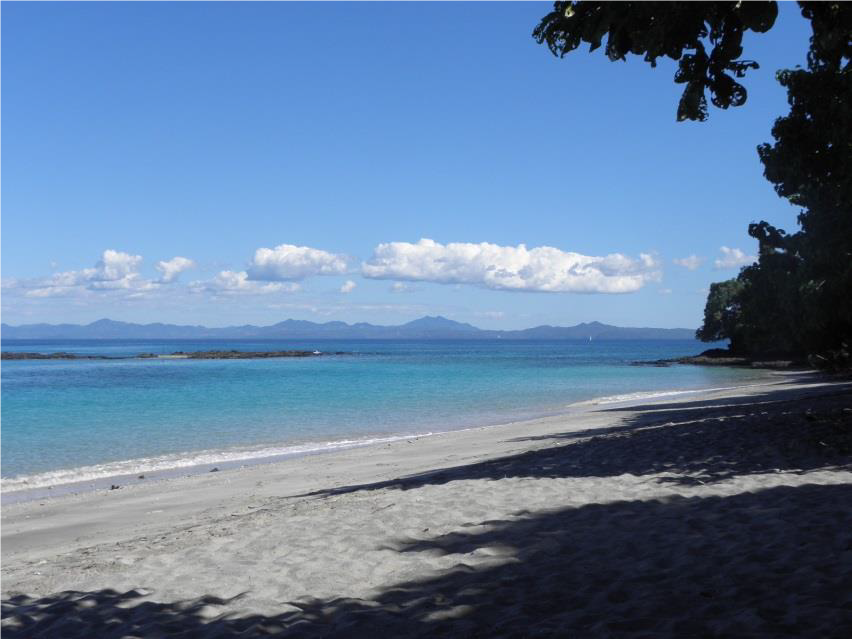
Ankarana reserve: "Deciduous" forest. Attractions: limestone pinnacles, bat cave (must bring flashlight and comfortable shoes), several lemur species, deep water hole (fills only in rainy season). Recommended to taste "monkey orange" (orange-like fruit). Base town Mahamasima, arrival from Ankify 15,000-20,000. Entry: 40,000 per person, guide 70,000 per group (4-6 people). Lodging: 20,000 and up. Food 10,000-15,000 per meal. Grocery store in village to buy basic items and cook. Nearest town for cash withdrawal is Ambilobe. Easily reached by hitchhiking and public transport. Must equip with mosquito repellent in reserve area.
Tsingy Rouges reserve: red pinnacles. Entry: 10,000 per person. Arrival by 4x4 or possible to reach reserve entrance by public transport and hitchhike/share costs with other tourists. Vehicles arrive around 8 am. Possible to set up tent at entrance. Grocery shopping in nearby village about 4 km away.
Montagne D'ambre reserve: Main attraction: waterfalls and water areas. Better to arrive in rainy season or right after (before May), otherwise environment is dry.
Diego Suarez: main city in north. Weekend nightlife: parties every Fri/Sat. Plenty of Western restaurants, mostly pizza. Popular bar: taxi be, live shows, great atmosphere.
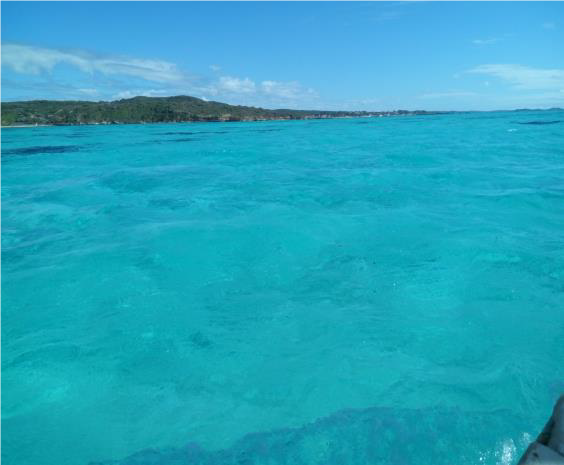
Ramena: small fishing town. Arrival from Diego by public transport 2,500 or taxi 20,000. Mid-week little tourist traffic, but weekends great music especially in main bar on pier. Trips depart to Le Mer de Emerald 50,000 including food and snorkeling equipment. Name implies turquoise-green sea. Boat reaches small uninhabited island. To spend night, possible for 100,000 (2-day trip fare), need a tent.
Sambava: reached by flight from Tana and Diego Suarez (highly recommended). By land - 90,000 per person by 4x4 (from Diego), four people three seats. 16 hours total, of which 160 km takes 12 hours. Another way by off-road motorcycle over two days - an adventure. Sambava main growing region of vanilla bushes. Mostly rainy area. Lonely Planet lists dry season as August-November. Big city in northeast region. Departure point for Marojejy reserve trek.
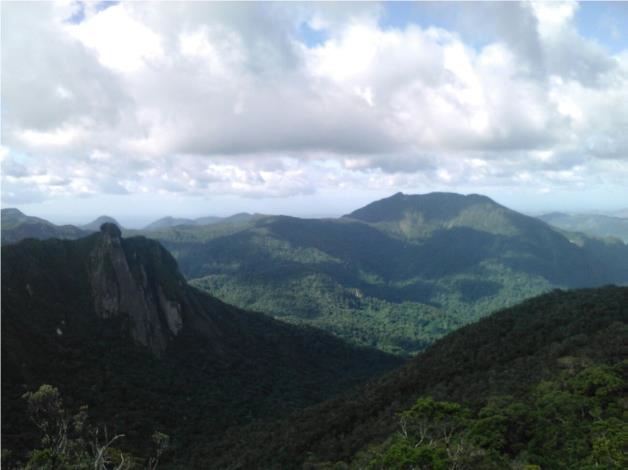
Marojejy reserve: rainforest. Main attraction mountain climb and silky sifaka. Base town Andapa. Minimum 3 days recommended. Bring very warm clothes and rain gear. Entry: 45,000/day, guide 30,000/day. Porter: 8,000 first day, 14,000 second day, 20,000 third day. Extras (per day): 8,000 kitchen use, 10,000 bungalow bed, 4,000 tent (rental price unknown), 30,000 special guide to spot silky sifaka. Trip description: Day 1 - reach second camp, 10 km moderate walk, about 5 hours. Near first camp, waterfall 1 km walk. Day 2 - reach third camp, very cold. "after the sifaka". Lemurs near second camp. Three hours difficult walk to third camp. Rain most of the time. Day 3 - very difficult walk to summit. *To lower costs, recommended to stay near park a few days. You will always find other travelers.
Sainte Marie: From Tana to Tamatave 20,000. 8 hours. Tamatave to Sainte Marie: 80,000 one way (10,000 public transport to Ivongo, then boat 70,000). Area: Ambodifotatra. Cheap accommodation at La Banana 13,000 dorm bed. Early July "Whale Festival": carnival, parties. Motorcycle rental very common on island. Fishing with locals possible throughout island.
Ile aux Nattes (Ille Nat): "small island" - part of Sainte Marie ("big island"). From airport only boat. Usually hotel provides shuttle. 10,000 by toktok from Ambodifotatra plus boat fee (pirogue). Ideal month is September: no rain, whales visible. Almost all other months rainy - tropical area. *Before arriving at Ile aux Nattes take enough cash, return process frustrating. Minimal accommodation 30,000, meals expensive around 20,000. White sand, clear light blue water, quiet and isolated. No waves or stones, ideal swimming. Most hotels have ~6 bungalows. Movement on island by foot, no vehicles, about 8 km walk across island unless taking ferry to "big island".
Andasibe nature reserves: Rainforest. From Tamatave to Andasibe around 12,000. In area 2 national parks, 3 private reserves. October-December rainfall decreases, orchid blooming. April-May pleasant temp: rainy but tolerable. When I arrived in April told rainfall higher than usual. Mitsinjo park: (private reserve) see indri lemur: largest lemur species; brown lemur and sportive also common. Entry + guide: 40,000 for 3 hours. 20,000 night tour (1.5 hours): highly recommended for amphibian/reptile lovers. Payment based on hours spent. Rainy area, pay minimum hours and extend if needed. Lodging: 25,000, food 3,000-5,000 at junction, or restaurants (WiFi available, weak cell signal). Arrived mid-June, cold and rainy. Prepare accordingly.
Majunga: From Tana to Majunga 30,000, 12 hours. Big city with many residents, not crowded, felt safe walking at night. City full of markets, supplies easily restocked. toktok in city ~1,000 per destination. Lodging: Chez Chabaud ~20,000/night without bathroom (no hot water), rooms with bathroom available at higher price. Nightlife: dance bar "taxi-be", live music, great atmosphere near port. Arrival at Katsepy: peaceful fishing town, welcoming locals. Retreat for isolation, day trips. Ferry from Majunga port 5,000 (7am-4pm). Hourly departure when full. Two lodging options: Chez Chabaud ~40,000 near beach with restaurant; bungalow double bed/outdoor toilet 13,000 (ask for economic accommodation). Grocery store for basics.
D'Ankarafantsika reserve: last dry forest in western Madagascar, threatened by charcoal production. Arrival: from Majunga 2 hours 5,000; from Tana 8 hours (may charge full fare to Majunga). Reserve 4 km from Ampijoroa town. Various trails: 55,000 entry. Forest tour: lemur species (sportive, sifaka, brown lemur), reptiles (leaf gecko, spiny gecko, iguanas), birds. Popular for bird watching. 20,000 guide (1.5 hours). Forest tour + baobab trees: 3 km short tour, 20,000 guide. Snakes present. Skip if visited Ankarana. Lake tour: crocodiles reported. Canyon tour: 40,000 guide, breathtaking scenery, red rock formations similar to Tsingy Rouge. Drive to canyon start (30 min walk). Steep/slippery descent. Guides descend only if tourists fit. Closed during rainy season. ** Combine forest + canyon tour (4 hours round trip). Pay desk doesn't mention this. Accommodation: bungalows (4 people, indoor bath) 100,000; rooms 30,000; tents from 20,000. Outdoor bath. Tent pitch 5,000. Restaurant available (>17,000/meal). Cheaper food in nearby village (4 km). Sifaka seen near tents/restaurant morning/afternoon. Brown lemurs across road near bungalows. Recommendation: sunset viewpoint between bungalows 6 & 7 (ladder climb) for lake birds. Night tour along road/trash area for mouse lemur and reptiles. ** No cell service or ATM (limited Orange service only).